






 Portuguese
  Spanish
  4 min of reading
  0 comments


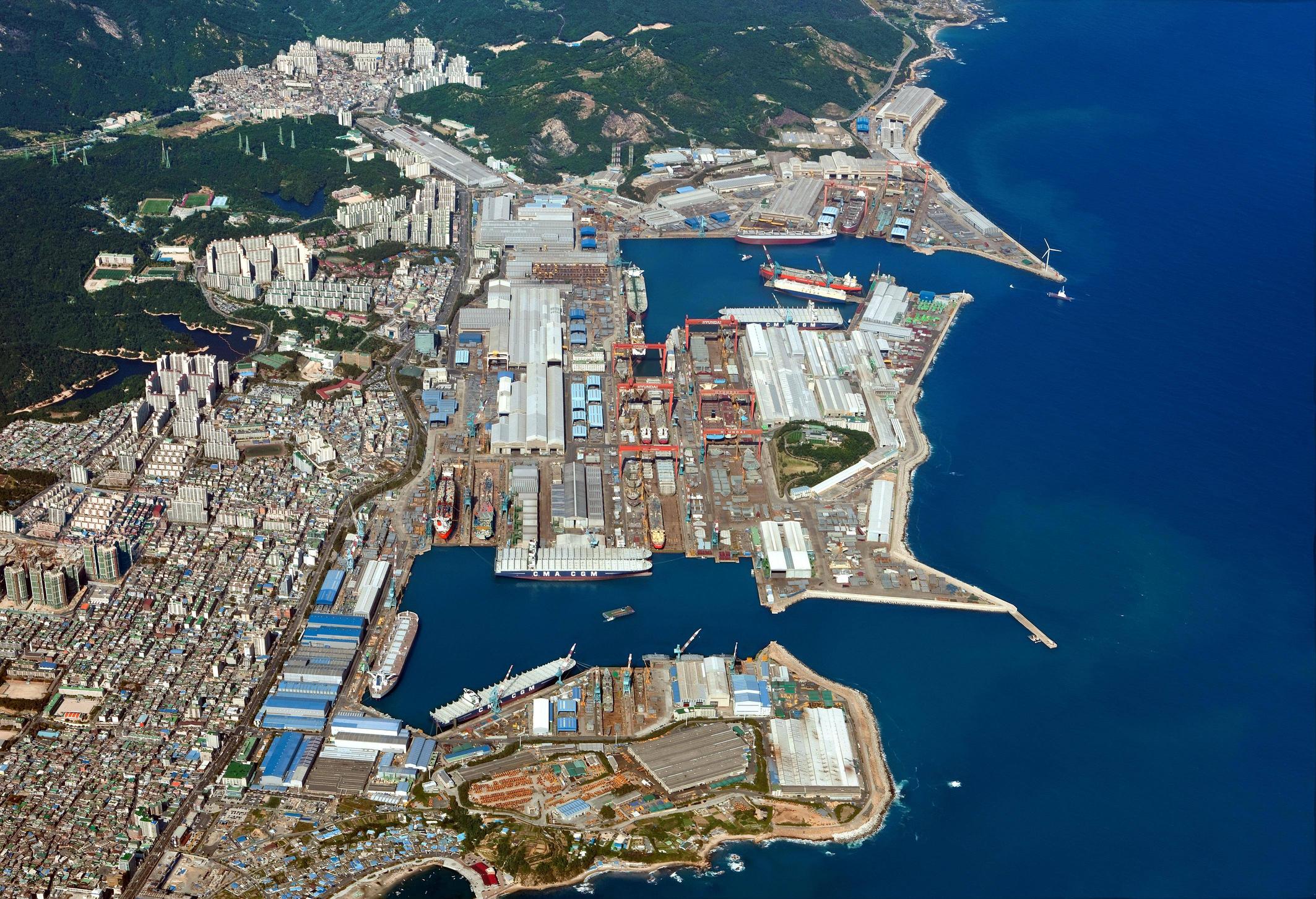
The Largest Shipyard in the World, HD Hyundai in Ulsan Covers 6.35 Million m², Has 10 Dry Docks and Builds Giant Ships That Symbolize the Industrial and Technological Power of South Korea.
In the Southeast of South Korea, in a bay facing the Sea of Japan, stands a colossus of naval engineering that surpasses any notion of industrial scale. The HD Hyundai Heavy Industries shipyard, located in the city of Ulsan, occupies 6.35 million m² and is internationally recognized as the largest shipyard on the planet, the ultimate symbol of technological capability and Korean discipline in the shipbuilding sector.
A “City” of Steel and Technology by the Sea
Founded in 1972, the complex was the starting point for the development of the city of Ulsan as an economic hub. Today, the shipyard operates as a true industrial city, with administrative buildings, housing, hospitals, internal transportation systems, technical schools, and thousands of workers who rotate in continuous shifts.
The site is so extensive that it houses 10 dry docks, 3 kilometers of wharves, and Goliath cranes that exceed 100 meters in height and can lift steel blocks of up to 1,200 tons each.
-
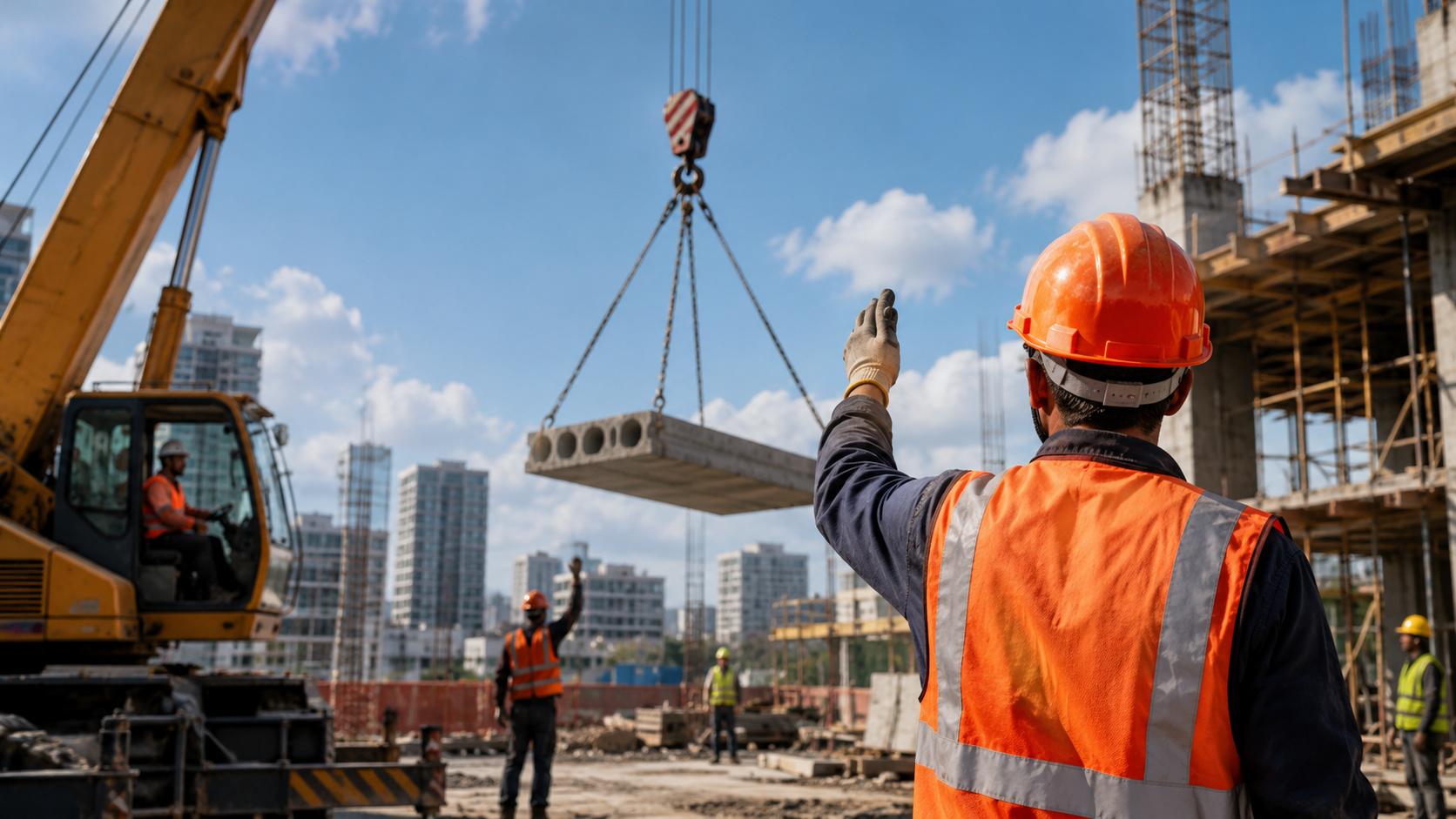
Why can the crane operator only obey the correct signalman on the construction site: among dozens of workers, a hand raised by the wrong person can confuse the maneuver and turn a load of tons into an immediate risk.

-
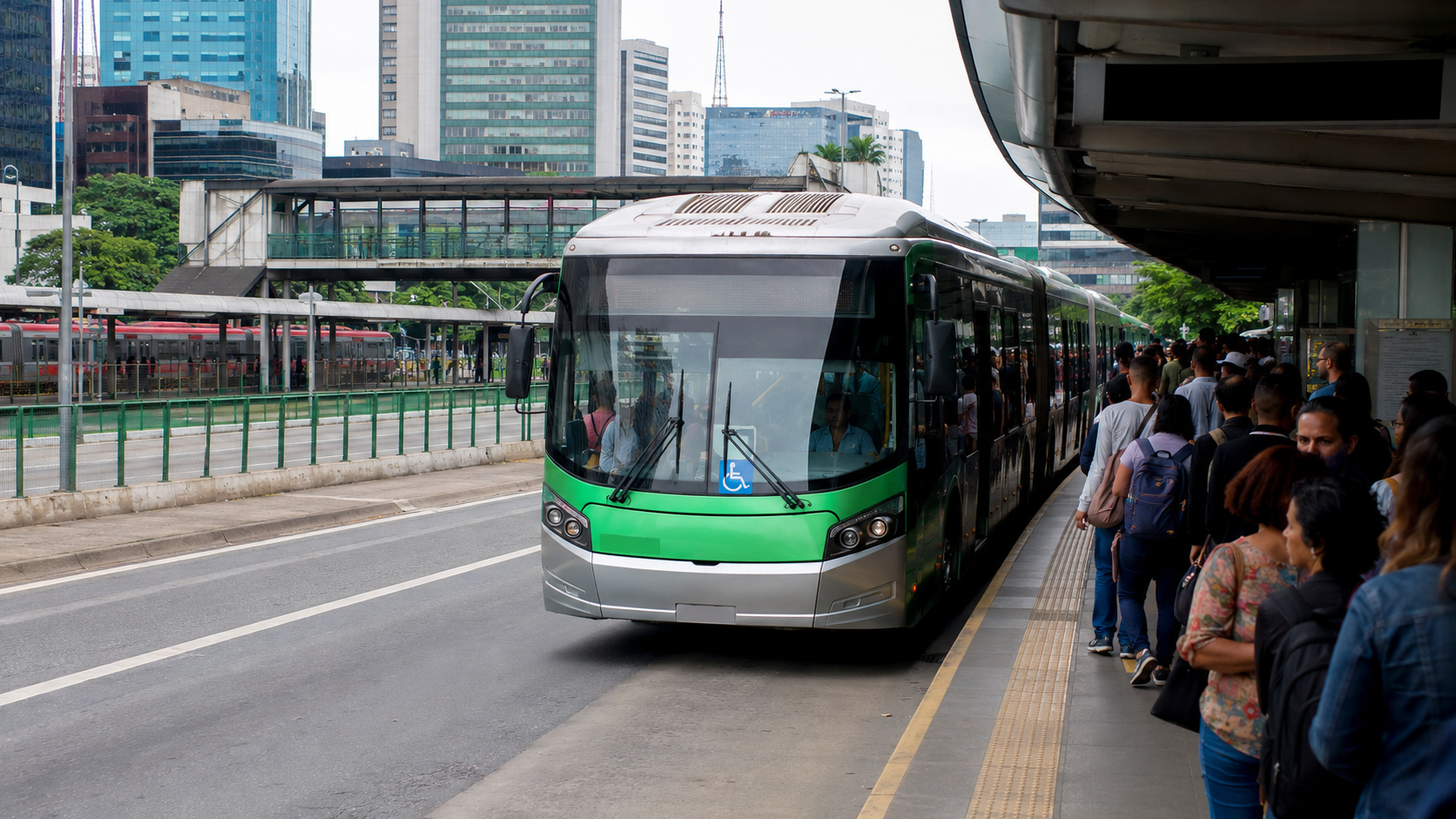
What changes with the new public transportation rules that can reduce pressure on fares and pave the way for zero fare in Brazil?
-
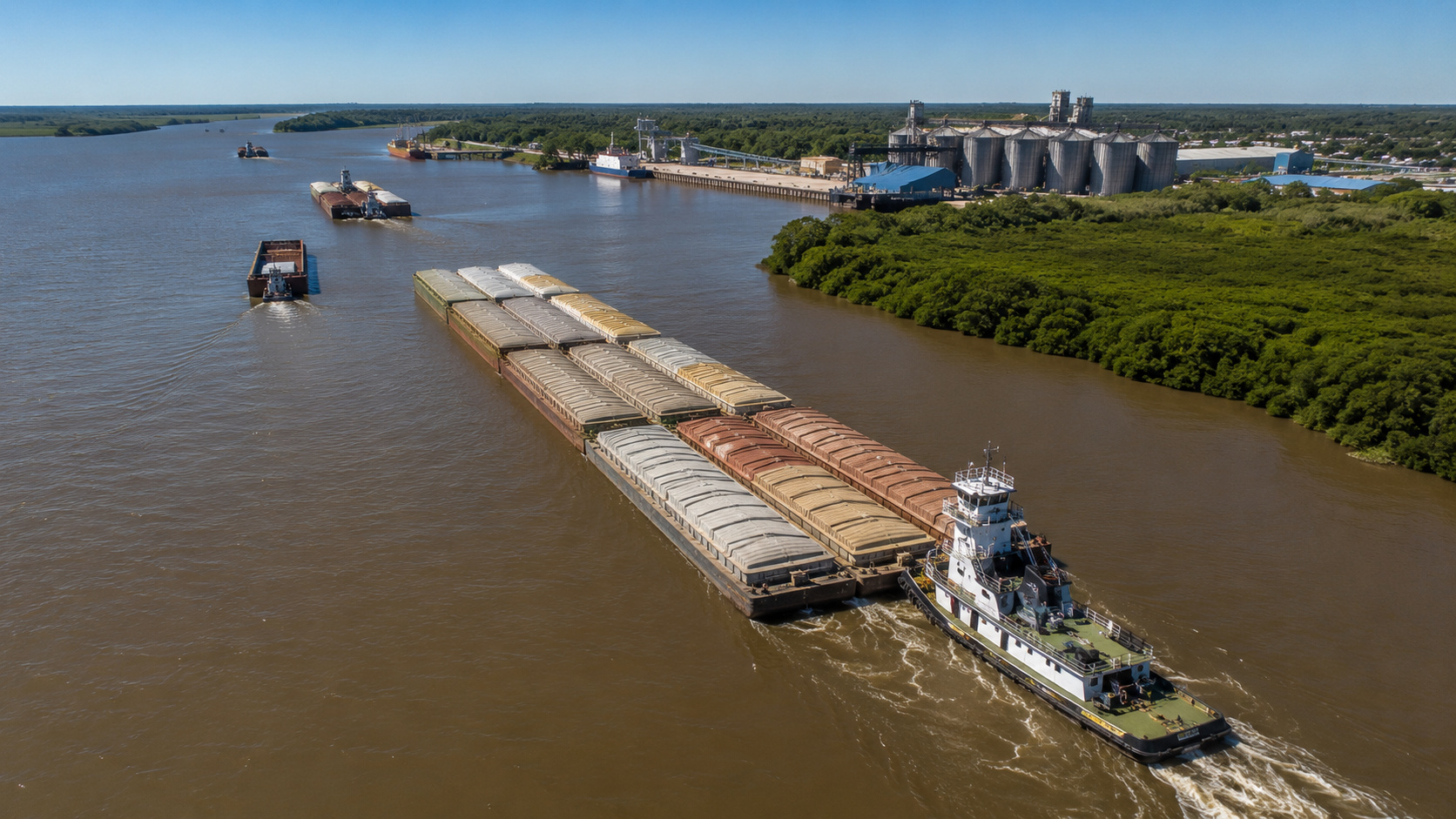
Argentina confirms Belgian giant to lead strategic Paraná River waterway and promises to reduce logistical costs on one of South America’s most important routes
-
MBRF surprises the logistics sector by demonstrating how Artificial Intelligence can directly influence deliveries throughout Brazil by reorganizing distribution routes in seconds, optimizing fleet usage, reducing logistics costs, and speeding up product arrivals even in the face of unforeseen road incidents.



The operation combines precision engineering, heavy automation, and high-performance logistics, in a setting where the metallic noise and rhythm of the machines evoke the pulsating heart of a city.
Global Scale Production
The HD Hyundai shipyard is capable of building oil tankers, container ships, liquefied natural gas (LNG) carriers, aircraft carriers, and drilling rigs. Its production capacity is measured in deadweight tons (DWT), a metric used in the industry to indicate total transportable volume and weight, and the complex is responsible for a significant portion of South Korea’s maritime exports.
On average, the company delivers dozens of vessels per year and holds orders from shipowners worldwide, including Europe, Japan, the Middle East, and Brazil. Ships designed in Ulsan currently sail the major oceans, transporting oil, gas, and goods that supply global trade.
Precision Engineering and Ongoing Innovation
With advancements in automation and sustainability technologies, the shipyard has been investing in projects for autonomous ships, hybrid engines, and green fuels, such as hydrogen and methanol. HD Hyundai is also developing systems for AI applied to navigation, remote monitoring, and optimized hydrodynamic design.
The complex’s internal laboratories simulate the behavior of hulls and propulsion systems in large-scale testing tanks. Each new generation of vessels is the result of research, prototyping, and advanced manufacturing, consolidating South Korea as a world leader in maritime innovation.
Economic Impact and Geopolitical Power
HD Hyundai Heavy Industries is not just a company: it is a pillar of the South Korean economy. Alone, it represents a significant fraction of the industrial GDP of Korea, exporting billions of dollars in naval technology every year.
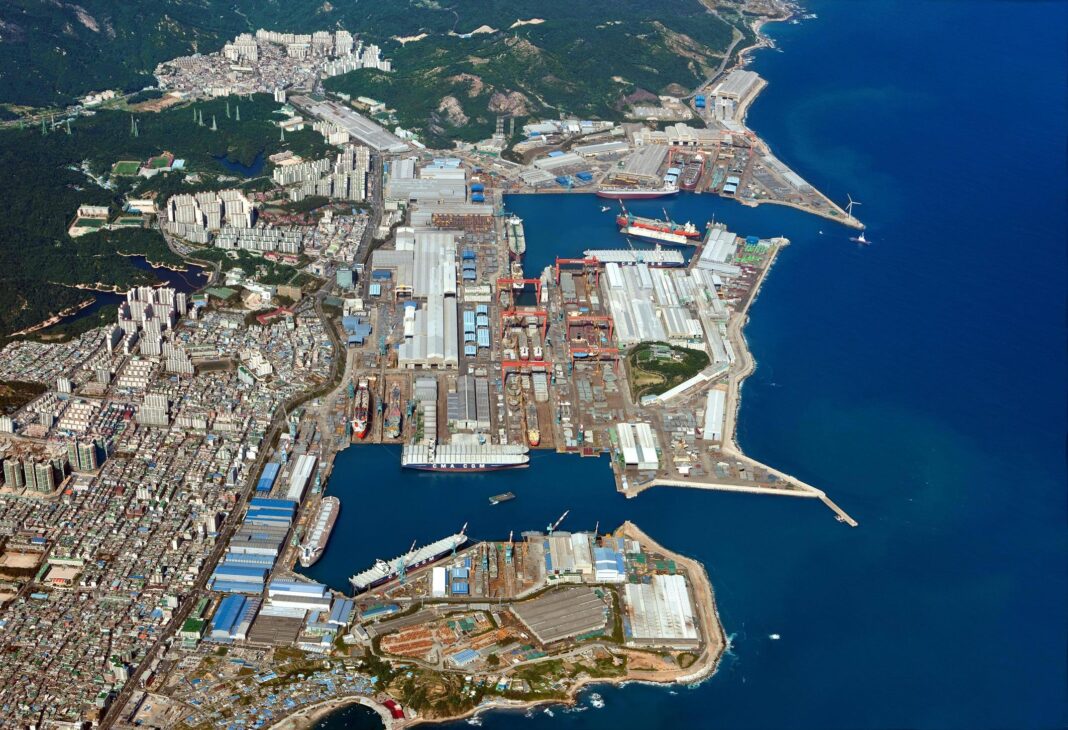
Its presence in Ulsan has driven the creation of one of the largest industrial clusters in the world, which includes refineries, steel mills, engine manufacturers, and a supply chain that employs hundreds of thousands of people both directly and indirectly.
In addition to its economic dimension, the shipyard has geopolitical weight: by dominating the production of oil tankers and offshore energy platforms, South Korea maintains a strategic position in the global supply of maritime technology — a vital sector for global trade and energy security.
A Floating Legacy of Engineering
More than 2,300 ships have been built at the Ulsan shipyards since their founding. Each vessel carries not only cargo and fuel but also the prestige of a nation that has transformed steel and discipline into a maritime empire.
The complex continues to expand, with new yards and research centers dedicated to electric and zero-emission ships, signaling the future of sustainable navigation.
Thus, the HD Hyundai shipyard in Ulsan remains the largest shipbuilding factory on the planet — a fortress of steel and technology where the ocean meets human engineering in its most monumental expression.


Be the first to react!