Portuguese
  Spanish



New Photovoltaic Plant Strengthens Brazilian Leadership in Energy Transition and Boosts Sustainable Development in the Country
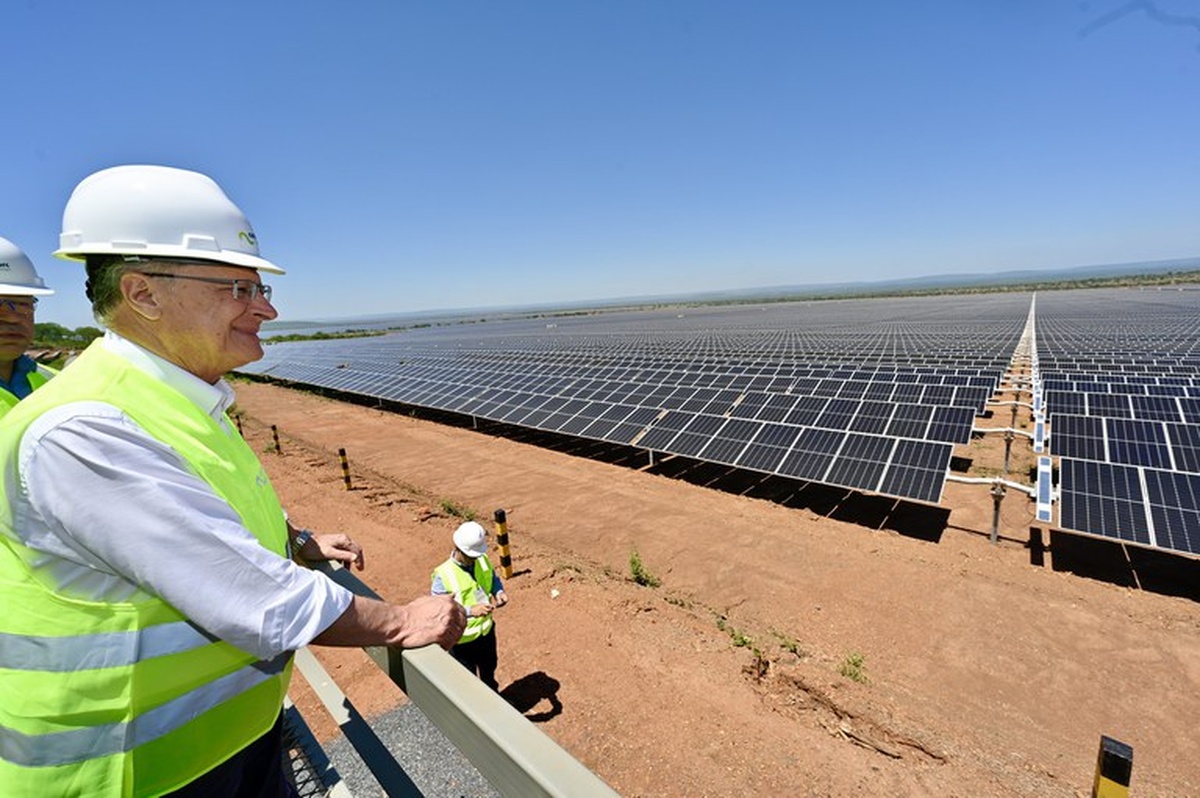
Brazil has taken another significant step towards consolidating its position as a global leader in renewable energy. This occurred with the inauguration of the Arinos Solar Park, in Minas Gerais, on June 4, 2025.
The event was attended by the acting president and minister of Development, Industry, Commerce and Services, Geraldo Alckmin. He highlighted the strategic role of the country in global decarbonization.
With a total investment of R$ 1.5 billion, the plant was built thanks to the partnership between Gerdau, Newave Energia, and XP Investimentos. It is one of the largest solar projects in the country.
-
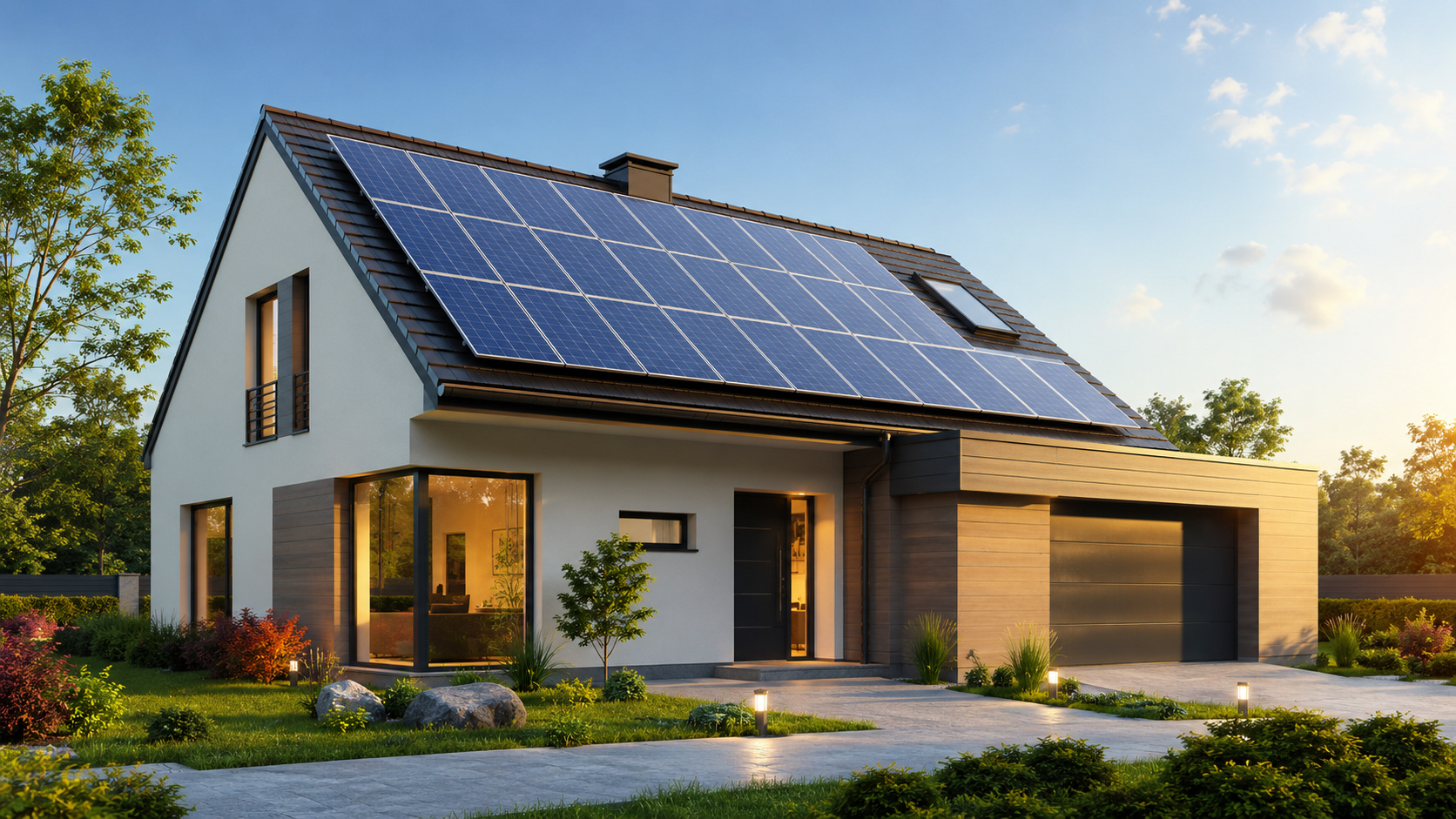
Solar energy can increase property value by up to 10% and become a selling point.

-
Solar and wind energy surpass natural gas for the first time in the world and accelerate energy revolution

-
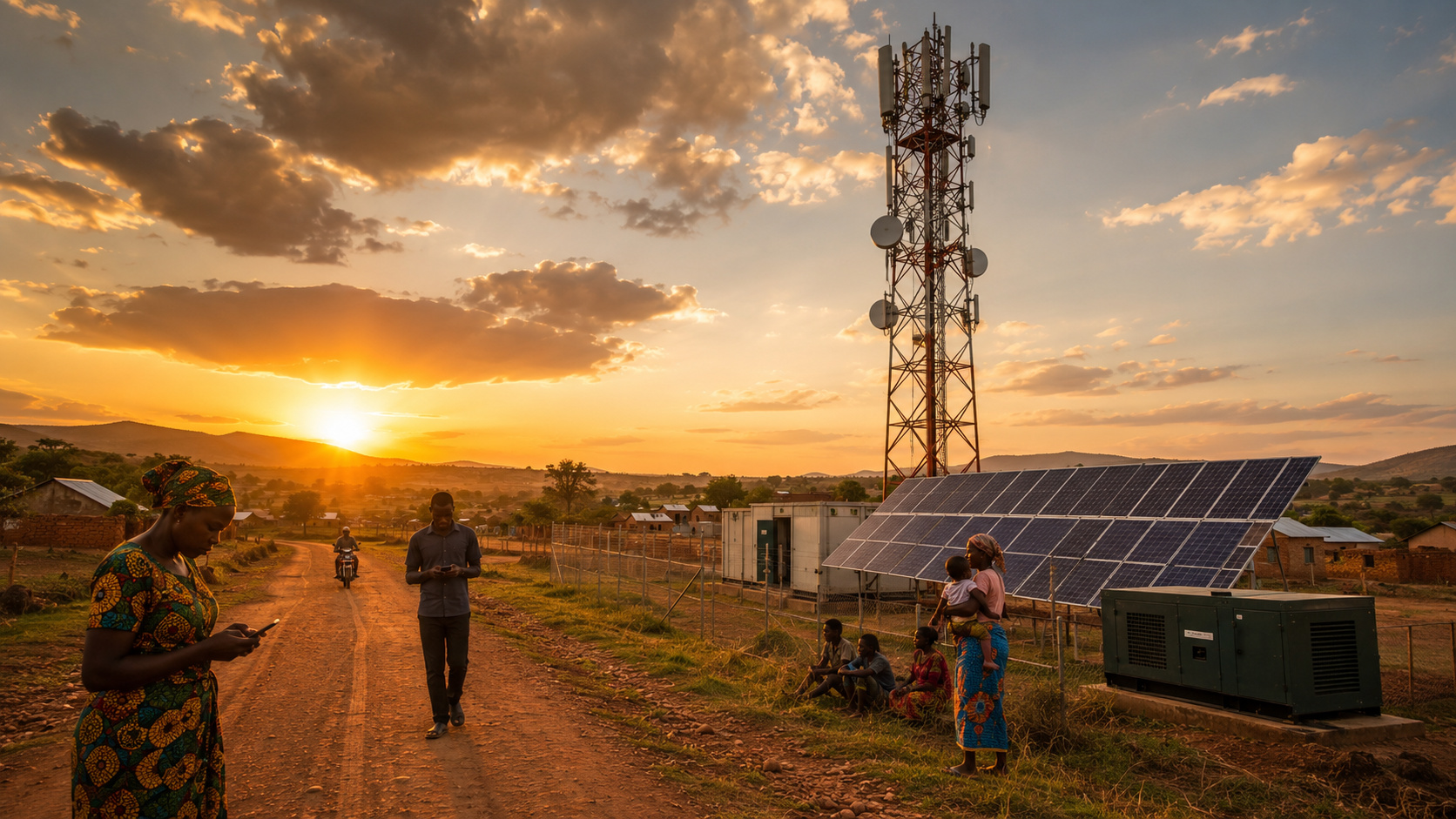
Africa has about 500,000 cell towers and most still burn diesel to operate, while companies rush to cover antennas with solar energy and avoid signal blackouts.
-
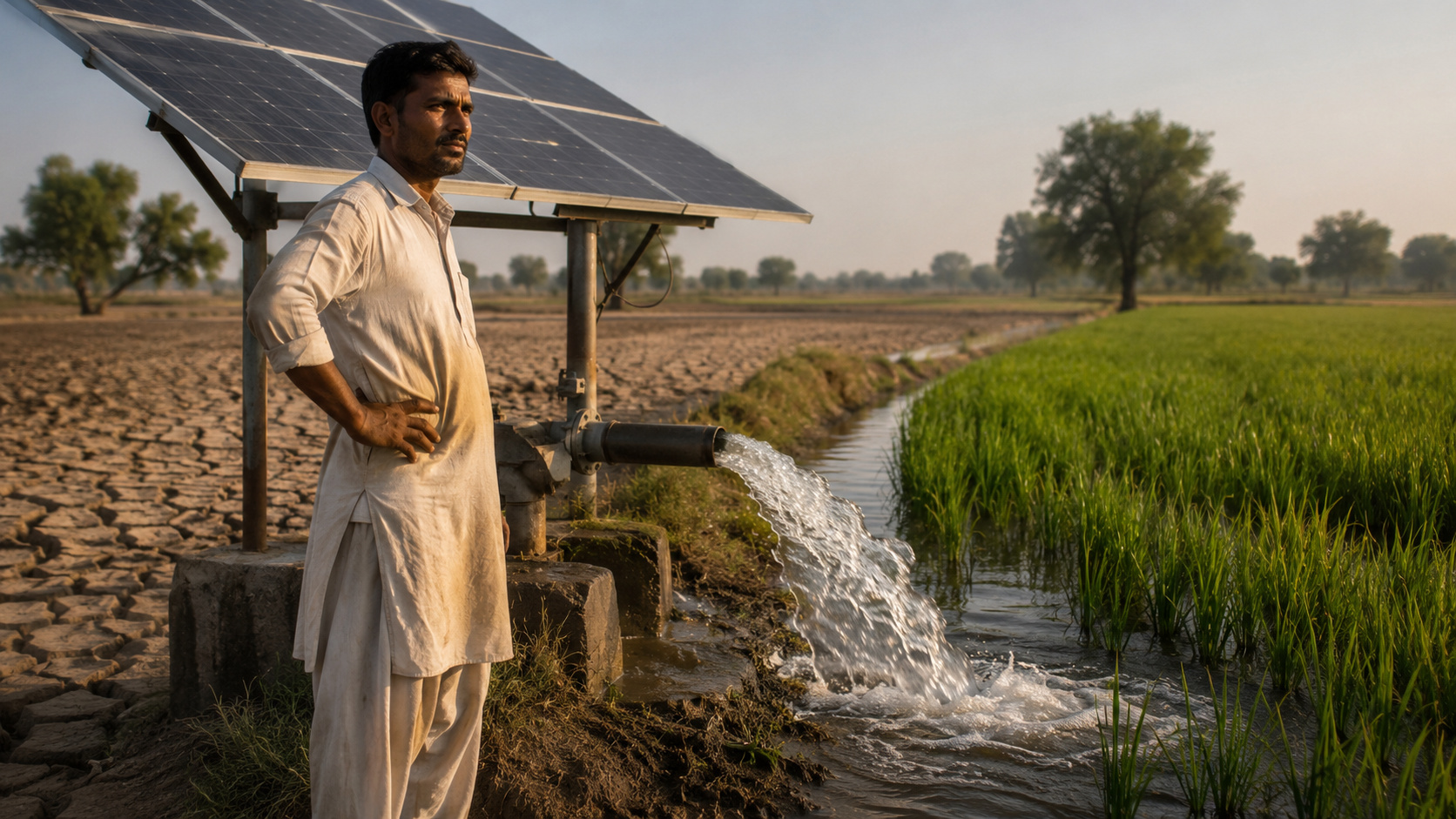
Farmers swapped diesel for solar panels in Pakistan, powered irrigation pumps almost cost-free, expanded rice fields, and now groundwater has become a red alert in the countryside.

Arinos Solar Park: Milestone in Clean Energy Generation and Regional Development
The park is located 30 kilometers from the urban area of Arinos. It occupies an area of 822 hectares and has an installed capacity of 432 megawatts-peak (MWp).
More than 720 thousand solar panels make up the complex. The energy production will be capable of supplying around 70 thousand homes, corresponding to a city with approximately 350 thousand inhabitants.
During its construction, the project generated around 3 thousand direct and indirect jobs. This significantly boosted the local economy and brought immediate social benefits.


Robust Investments and Strategic Partnerships Boost Energy Transition
The Northeast Bank (BNB) financed R$690 million of the total project value. This highlights the government’s commitment to expanding renewable sources in Brazil.
Gerdau, the country’s largest steel producer, holds 40% of the share capital of Newave Energia. In addition, it is the main consumer of the generated energy, reinforcing its sustainability policy.
On the other hand, XP Investimentos was essential in enabling the project. It acted in democratizing access to investments in infrastructure and clean energy.
Commitment to Sustainable Development and the ESG Agenda
In addition to generating clean energy, the project promotes social actions through the Instituto Brasil Solidário. These initiatives directly impact the local community.
The Gontijo Ferreira Municipal School in Arinos received renovations to its library. In addition, robotics and science labs were created, and training was provided for teachers.
More than 2 thousand students from 20 schools were benefited. Thus, the project strengthens the United Nations Sustainable Development Goals (SDGs), especially in the areas of education and local economic growth.
Minas Gerais Leads Solar Energy Production in Brazil
Minas Gerais leads national solar energy production. Currently, the state is home to around 934 plants, representing more than a third of the units in the country.
According to the Ministry of Mines and Energy, investments in the state are expected to exceed R$ 17.6 billion by 2028. It is anticipated that 160 thousand direct and indirect jobs will be created.
This advancement is due to the Sol de Minas program. It creates favorable conditions for the sector, combining public incentives with favorable climatic conditions.
Brazil Among Global Leaders in Solar Energy
According to the International Energy Agency (IEA), Brazil, in addition to advancing rapidly, is already among the 18 countries with solar penetration above 10%.
Meanwhile, the residential sector leads the consumption of this energy, although the commercial, rural, and industrial segments also participate, highlighting its diversity.
For this reason, this wide distribution significantly reinforces the enormous potential of the solar matrix in the country and its increasing importance in the global scenario.
Moreover, the inauguration of the Arinos Solar Park confirms Brazil’s prominence in the energy transition and strengthens its position regarding sustainable targets.
Thus, the new park actively contributes to the reduction of greenhouse gas emissions, positively impacting the environment.