Portuguese
  Spanish


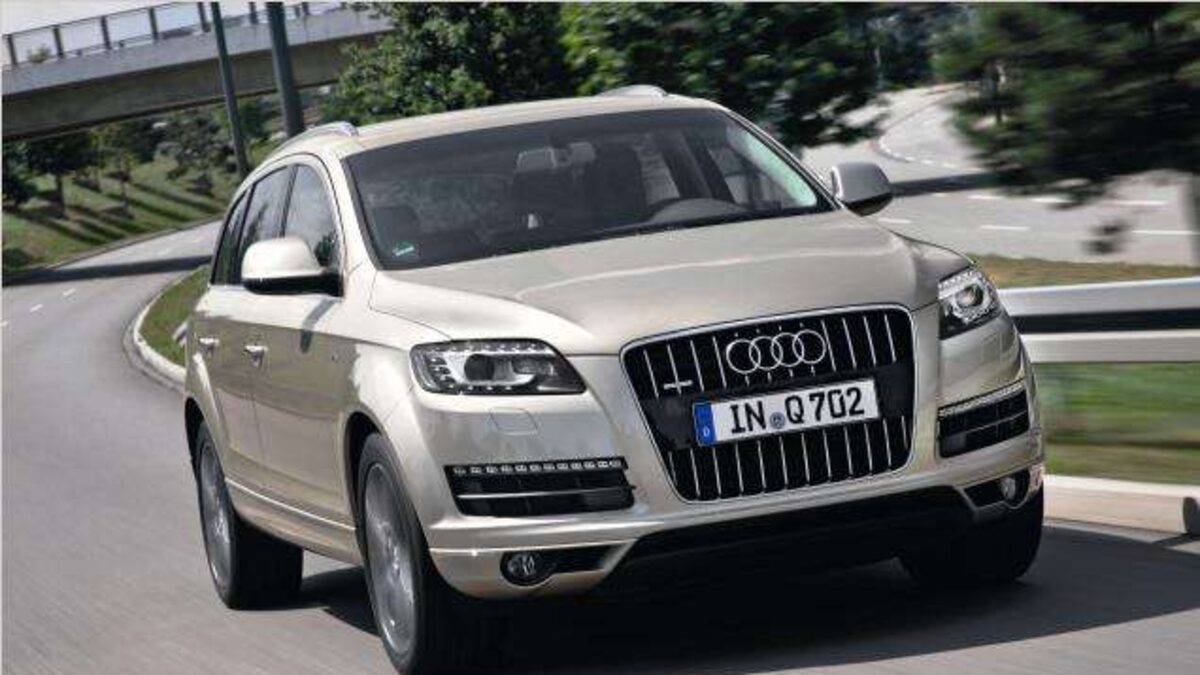


Luxury SUV with V6 Engine, 272 HP and All-Wheel Drive, the Audi Q7 3.0 TFSI 2012 Costs Around R$ 95 Thousand and Still Delivers Performance of a New Car.
At the beginning of the last decade, the Audi Q7 3.0 TFSI 2012 symbolized the peak of automotive luxury among SUVs. A nearly five-meter-long SUV, all-wheel drive quattro, supercharged V6 engine, and the same technical refinement found in much more expensive models. In 2012, it was the kind of car you only saw in upscale neighborhoods or high-level corporate convoys. Today, more than a decade later, the same model can be found in the used market for around R$ 95 thousand in the FIPE Table (October 2025), and continues to impress with its robustness and imposing presence.
The SUV That Redefined Audi’s Luxury in Brazil
The Q7 arrived in Brazil in 2007 and quickly established itself as the brand’s most prestigious SUV. The 2012 version represented the peak of the first generation before the complete renovation that would come only in 2016.
Built on the same platform as the Volkswagen Touareg and the Porsche Cayenne, the model combined the most advanced comfort, safety, and technology available at the time.
-
2027 Toyota Corolla Cross Unveiled: New Design, Enhanced Fuel Efficiency, Reduced Maintenance Costs, Advanced Technology, Connected Services, and Up to 10-Year Warranty

-
Fiat Cronos Precision 2018: Affordable Sedan with Spacious Trunk and Reliable Maintenance
-
Volkswagen to Cut Production by 1 Million Cars by 2030, Reducing Jobs and Platforms, Focusing on More Profitable Models

-
Toyota Launches First 100% Electric Car in Brazil: bZ4X with 343 HP, All-Wheel Drive, 361 km Range, Priced at $419,990 BRL, Limited to 99 Units



The Audi Q7 3.0 TFSI 2012 was equipped with a 3.0-liter TFSI V6 engine (turbo and direct injection) capable of generating 272 HP of power and 40.8 kgfm of torque.
The 8-speed Tiptronic automatic transmission and the quattro permanent all-wheel drive system ensured stable performance even on wet surfaces or dirt roads. According to official Audi data, the SUV accelerates from 0 to 100 km/h in 7.9 seconds, an impressive number for a vehicle weighing 2.2 tons.
Power with Elegance and Silence
Despite its power, the Q7 was noted more for its smoothness than its aggression. The sound insulation is impeccable, and the transmission, produced by ZF, delivers nearly imperceptible shifts.
The adaptive air suspension system, available in more complete versions, adjusts the vehicle’s height according to the driving mode, offering comfort for urban use and stability at high speeds.
Inside, the silence is almost absolute. The cabin is a true refuge: genuine leather throughout the upholstery, brushed aluminum details, and a central dashboard oriented towards the driver.
The finish of the Q7 2012 rivals that of BMW and Mercedes models of the time, and in many aspects, it still surpasses new SUVs in the R$ 200 thousand range.
First-Class Safety and Comfort Equipment
The Audi Q7 3.0 TFSI 2012 was equipped with 8 airbags, electronic stability and traction controls, hill descent assist, ventilated disc brakes on all four wheels with ABS, cruise control, tire pressure sensor, and ISOFIX system for securing child seats.
Among the comfort items, the four-zone digital air conditioning, power front seats with memory and heating, power tailgate, panoramic sunroof, front and rear parking sensors, MMI multimedia center with integrated GPS, and Bose Premium sound system with 14 speakers stand out.

These details make the Q7 feel more like a “living room on wheels” than a conventional SUV. Even with over ten years of use, many of these vehicles still preserve their original sophistication and comfort, making it a bargain for those looking for a used luxury car.
Fuel Consumption and Maintenance Cost
Of course, all this power and luxury come at a price. Urban fuel consumption is around 5.5 km/l with gasoline, and on the highway, it can reach 8.5 km/l. The 100-liter tank allows for a range of over 700 km on highways, but fueling the giant still requires commitment.
In terms of maintenance, the Q7 demands attention and planning. Preventive maintenance costs an average of R$ 2,500 to R$ 3,500, according to specialized workshops for imported vehicles. Parts are widely available as they share components with Volkswagen and Porsche models, but specialized labor is essential to avoid surprises.
Even so, owners and mechanics often praise the reliability of the 3.0 TFSI package, which uses a timing chain (no timing belt) and has few reports of serious failures when properly maintained.
The Price Dropped, But Prestige Remained
When new, the Audi Q7 3.0 TFSI 2012 cost over R$ 250 thousand at Brazilian dealerships. Today, the same SUV can be purchased for R$ 90 to R$ 100 thousand, depending on condition, mileage, and maintenance history.
This means that the current Q7 is worth less than a new 1.0 turbo compact SUV, but still offers much more vehicle. In terms of comfort, space, and performance, it is unmatched—and that is why it has become a “find” among enthusiasts and buyers seeking accessible luxury.
Even after more than a decade, the Audi Q7’s design remains elegant and robust. The straight lines and balanced proportions make the model appear more current than other contemporary SUVs. And the four-ring emblem still commands respect, whether in urban traffic or on the road.
The Q7 3.0 TFSI 2012 is not a car for those seeking extreme economy; it is for those who understand what they are buying. A vehicle that, when well cared for, offers performance, comfort, and presence worthy of a R$ 400 thousand car, but for a quarter of that value.