






 Portuguese
  Spanish


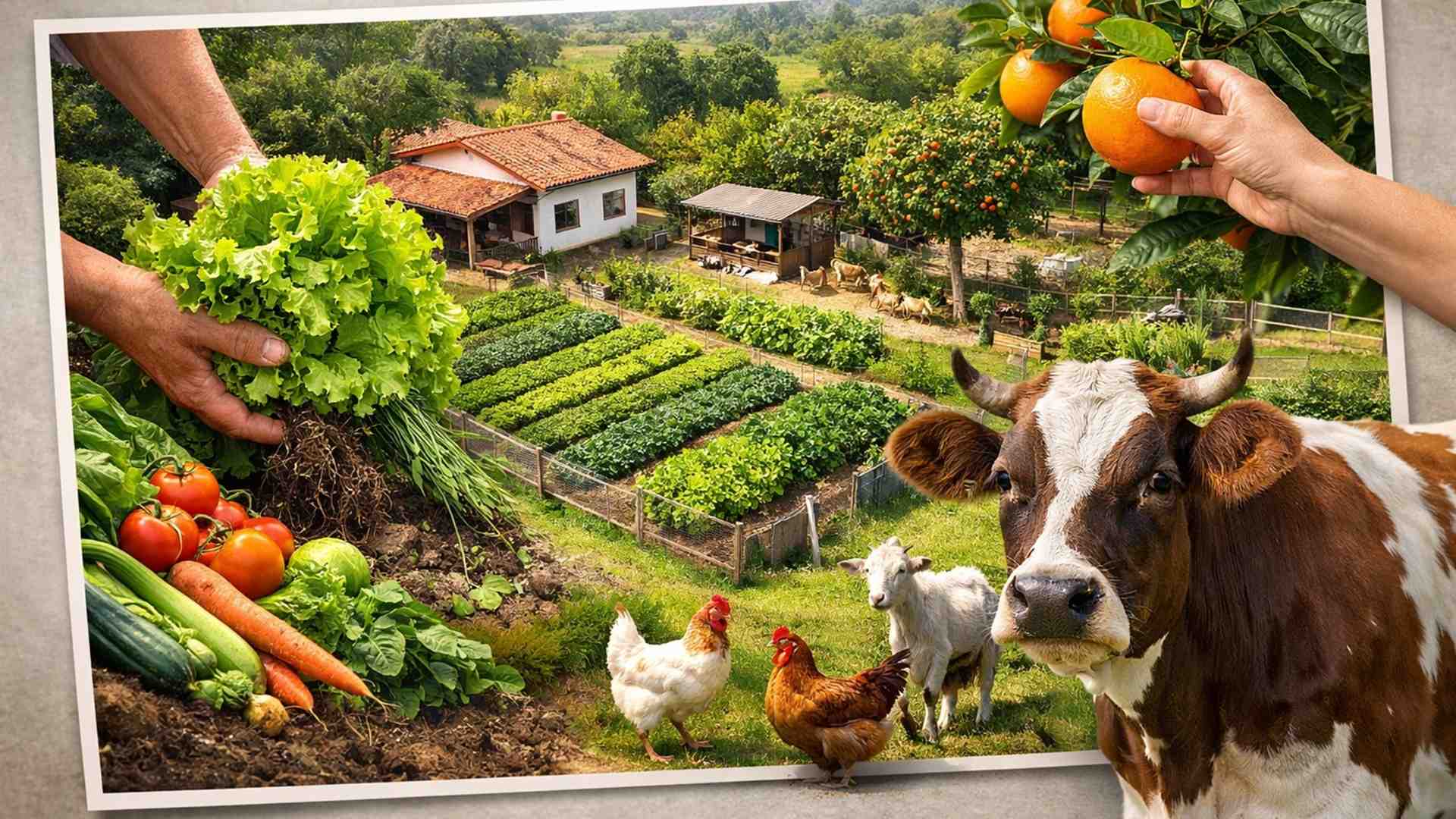


Model Of A Productive Site Organized In An Area Of 0.5 Hectare Presents Strategic Division Between Rural House, Vegetable Garden, Orchard, Chicken Coop, Rotating Pasture, Water Reservoir, And Composting, Allowing Continuous Food Production, Integrated Management Of Spaces, And Productive Operation Within A Reduced Rural Land
A model of a productive site structured in an area of 0.5 hectare presents a planned division between dwelling, agricultural cultivation, livestock raising, and organic waste reuse, allowing food production and organization of rural activities within a reduced space.
The proposal of the productive site is based on the strategic division of the land into defined sectors. Each area has a specific function, allowing production, management, and supply to occur simultaneously without overlap of activities.
The rural house occupies a central position within the space. Besides serving as housing, the location functions as a point of organization for the activities developed around the property. The location facilitates access to the other areas and contributes to the control of daily tasks.
-
Producer receives news and had to cull almost the entire herd, bounced back with the help of compensation, and is now producing 450 liters of milk per day in SC.

-
Quail Eggs Reveal a “Secret Code” on Their Shells Explaining Unique Patterns and Colors

-
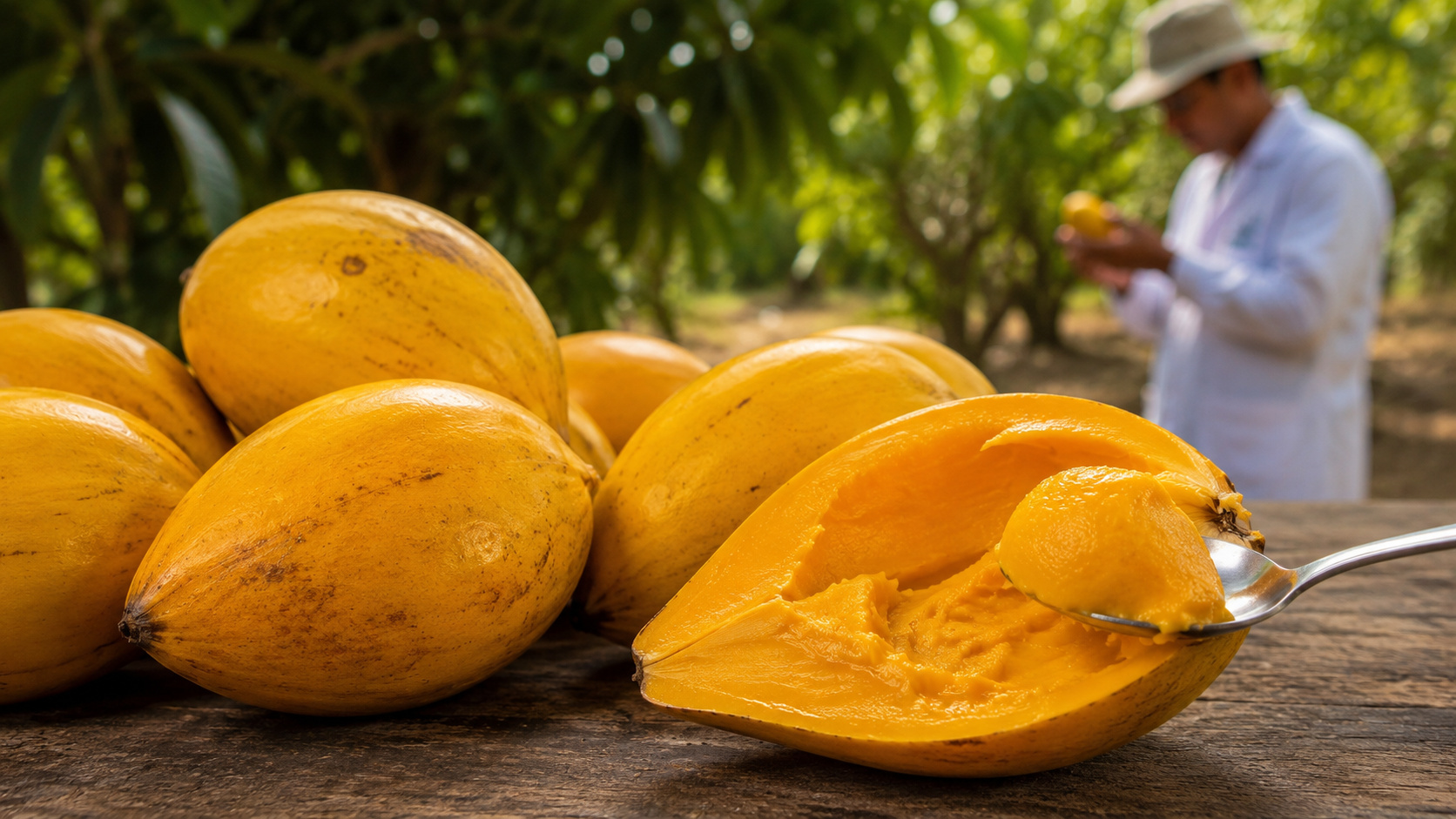
Rare Tropical Fruit Canistel, with Egg Yolk Color and Caramel Flavor, Gains Interest from Researchers and Small Producers in Brazil
-
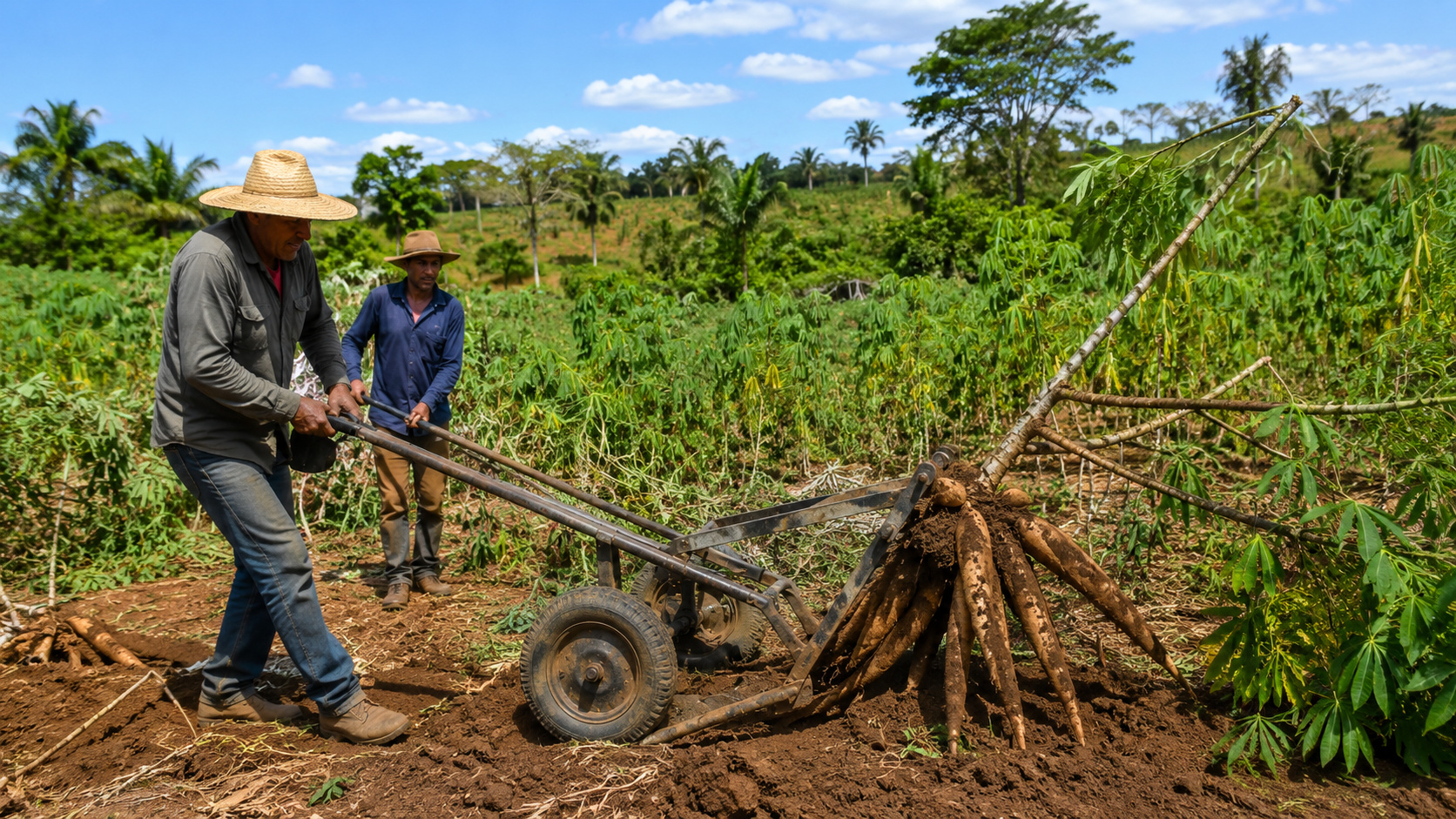
Brazilian Farmers Develop Wheeled Metal Lever to Ease Cassava Harvesting Without Heavy Machinery


Next to the residence is the vegetable garden, intended for the diverse cultivation of vegetables and legumes aimed at daily consumption. The proximity allows constant monitoring of production and simplifies the processes of irrigation and harvesting within the productive site.
The system also includes an orchard formed by a variety of fruit trees. The presence of this area increases the availability of food throughout the year, keeping production distributed in different periods without the need for land expansion.
Integration Between Plant Production And Animal Rearing Organizes The Operation Of The Productive Site
The raising of birds occurs in a designated space for the chicken coop. The sector provides eggs for consumption and generates natural fertilizer used in the vegetable garden, directly connecting animal husbandry to agricultural production within the productive site.
This integration allows waste from the birds to return to the soil as a productive resource. The reuse contributes to maintaining the operation of the agricultural system within the 0.5 hectare area itself.
The area designated for larger animals uses a rotating pasture system. Management occurs through alternating fenced spaces, avoiding continuous use of a single area and allowing for the preservation of the soil used.
The control of animal circulation keeps the land organized and contributes to the balance of activities within the productive site, ensuring continuous use of the areas designated for rearing.
Water Infrastructure And Waste Reuse Maintain The Productive Cycle Of The Productive Site
The water reservoir plays an essential role in supplying the land. The system is used both for irrigation of the cultivated areas and for supporting rural activities carried out daily.
The availability of water allows for the continued operation of the productive areas within the established planning for the productive site, ensuring continuity of agricultural operations.
Complementing the system, the composting area is designated for recycling organic waste generated in the space itself. Vegetable scraps and natural materials are transformed into compost used for fertilizing the soil.
The process reduces waste disposal and reinforces the internal productive cycle. The reused material returns to the cultivated areas, maintaining productivity within the limit of half a hectare.
Strategic Division Transforms Half A Hectare Into An Organized Productive Area
The organization of the sectors allows the productive site to function as an integrated system. Dwelling, cultivation, animal husbandry, irrigation, and reuse operate connected within the same area.
The correct division of spaces facilitates rural work and enables food production, animal management, and maintaining organized land in just 0.5 hectare, according to the model presented.
The planning demonstrates that the strategic distribution of areas makes the space productive, organized, and self-sufficient, maintaining a balance among all activities developed on the productive site.







