





 Portuguese
  English
  Spanish
  5 min of reading
  0 comments


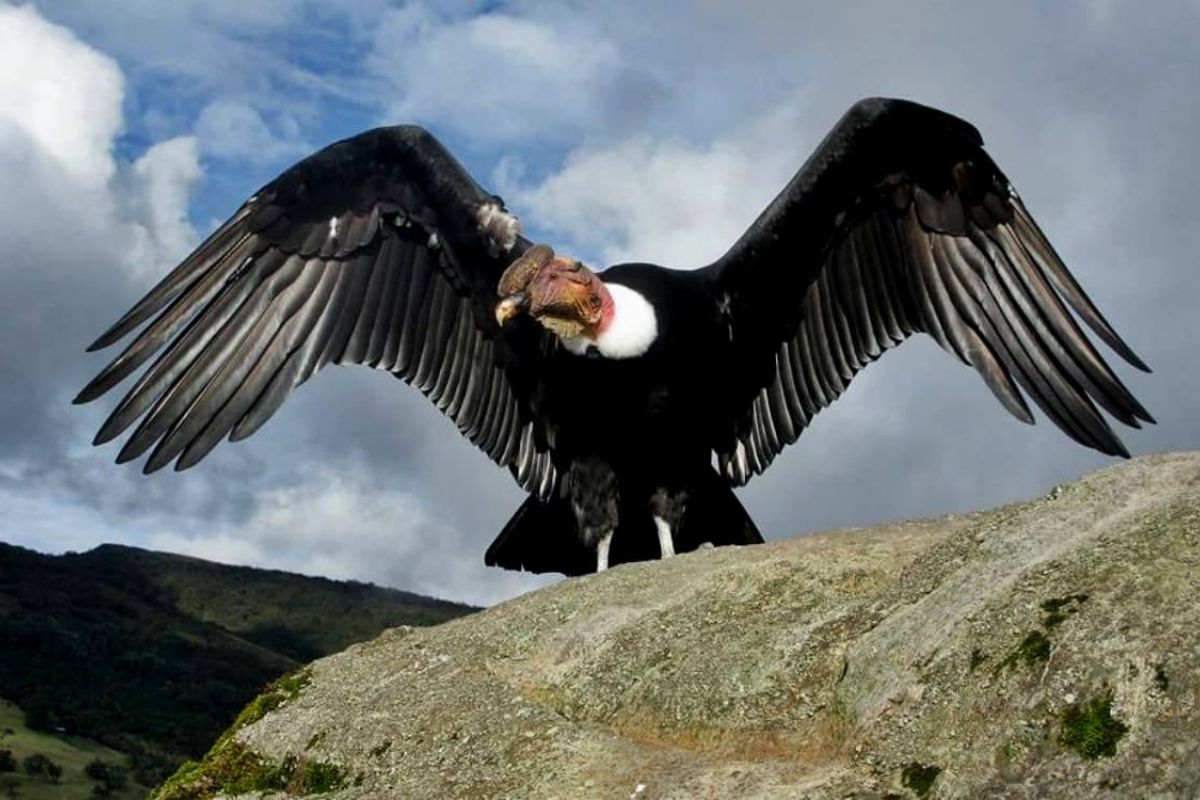
While Andean Condor Dominates The Skies With Wings Of 3.2 M, The Giant Of The Andes Birds Is Regarded As A Sacred Symbol, But Faces The Reality Of A Nearly Threatened Species.
With wings that reach 3.2 meters in span, the Andean Condor dominates the skies of the Andes as one of the most impressive birds on the planet. Adapted to soar for hours using only air currents, it almost does not flap its wings and seems to simply glide over mountains, valleys, and cliffs. It is the largest land bird in span in the western hemisphere and, seen up close, is wider than a small car.
At the same time that the Andean Condor dominates the skies in nature, it inhabits the imagination of entire peoples. It was chosen as a national symbol in countries like Chile, Colombia, Ecuador, and Bolivia, carries spiritual significance in ancient mythologies, and is still regarded as a messenger between the earth and the world of the gods. The contrast is stark: while gaining sacred status, it faces habitat loss, poisoning, hunting, and the official label of a nearly threatened species.
The Giant Wings That Make The Andean Condor Dominate The Skies
When it spreads its wings, the Andean Condor easily surpasses 3 meters from tip to tip. This extraordinary wingspan allows it to glide for long periods using the rising currents of cold air that ascend the slopes of the Andes. It spends minutes and even hours almost without flapping its wings, conserving energy in an environment where food is not abundant.
-
China wants to install a giant power bank in space to harvest solar energy continuously, day and night, and has already tested on the ground, in a 75-meter tower, the wireless transmission of energy over a distance of 100 meters to various moving targets.

-
The brute force of the waves turns into clean energy with almost no waste, as promised by a gyroscopic converter created in Japan that, in simulations, couples with the sea’s sway and reaches the maximum limit of 50% efficiency, leaving old marine generators behind.
-
NASA’s space telescope already has 73% of its images contaminated by satellite trails, and scientists warn that the problem could reach 100% if millions of objects are launched into low Earth orbit.

-
From discarded uniform to blanket for those sleeping on the streets: Brazilian initiative transforms tons of corporate fabric into shelter, reduces textile waste, and creates a chain of social impact that starts in companies and ends in the hands of those who need it most.




Unlike other birds that make quick and maneuver-rich flights, the Andean Condor relies on altitude strategy and patience. It gains height, surveys large areas, and only descends when it finds animal carcasses. That’s why so many people say that the Andean Condor dominates the skies like a silent monarch hovering above everything.
Body Adapted To Be An Effective Scavenger
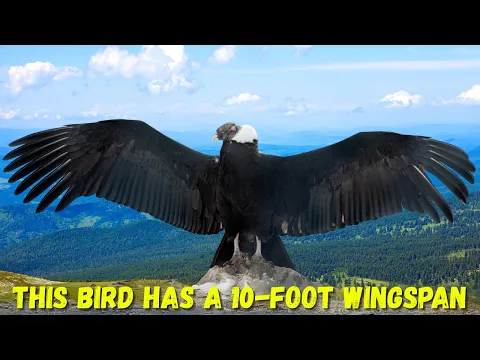

The Andean Condor is a large scavenger, meaning it specializes in carrion. It feeds on already dead animals and has a set of specific adaptations for this. One of the most notable is its almost featherless head, something many people find “ugly,” but which is extremely useful.
When inserting its head and neck into carcasses, a feathered animal would become covered in blood and remnants of tissue, facilitating the proliferation of bacteria.
In the case of the Andean Condor, the exposed skin dries and cleans itself more easily. In the animal kingdom, the criterion is simple: surviving is worth more than any standard of human beauty.
Sacred Symbol Of Andean Peoples And Countries
Much beyond biology, the Andean Condor also dominates the skies as a cultural symbol. In Inca mythology, it is associated with the skies and the spiritual world, acting as a messenger between the earth and the gods.
This image of a bird that moves between planes helps explain why it was chosen as a national emblem in several countries of the Andes.
Today, the figure of the condor is found on flags, coats of arms, sculptures, crafts, and local legends. For many communities, seeing a condor in flight is more than a rare moment of wildlife observation, it’s almost a message from the very Andean past, a living reminder of the connection with the mountain and the history of ancestors.
When The Andean Condor Dominates The Skies, The Habitat Shrinks On The Ground

Despite all this symbolic strength, the reality in the field is not simple. The Andean Condor dominates the skies, but depends on large, relatively preserved areas on the ground to find food and safe resting and nesting spots. Habitat loss reduces the useful flying space and the amount of available carcasses, especially in regions where livestock farming changes its profile or shifts.
Additionally, there are reports of poisoning associated with conflicts with human activities, when carcasses are left with toxic substances to target predators and end up killing condors as well. Direct hunting, even on a smaller scale, adds to the pressure on a species that reproduces little and slowly, making any loss even more serious.
From Nearly Threatened List To Conservation Efforts
This combination of risks has placed the Andean Condor in the nearly threatened species category. This means that it has not yet disappeared from much of its range, but is on a worrying trajectory. If nothing changes, the next step may be entering more serious threat categories, with regional populations collapsing.
On the other hand, there are initiatives trying to change this curve. Conservation programs organized by zoos, governments, and indigenous communities work with captive breeding and reintroduction of individuals in selected areas. The idea is to strengthen wild groups, monitor the free animals, and at the same time involve local people in the protection of the species.
A Living Reminder Of The Magnitude And Fragility Of Nature
When an Andean Condor appears gliding silently over the Andes, the scene impresses even those who are not interested in birds. It is an encounter with the true scale of nature, with an animal that seems to have emerged from another time and yet depends directly on today’s human decisions.
It is both powerful and vulnerable, lord of the skies and hostage to what happens on the ground. Between the status of sacred symbol and the label of nearly threatened, the Andean Condor dominates the skies as a reminder that no greatness is guaranteed forever.
After learning the story of how the Andean Condor dominates the skies of the Andes, do you think countries and communities are doing enough to ensure that this bird continues to fly free in the coming generations?






-

-

-

-

6 people reacted to this.