






 Portuguese
  Spanish
  3 min of reading
  0 comments


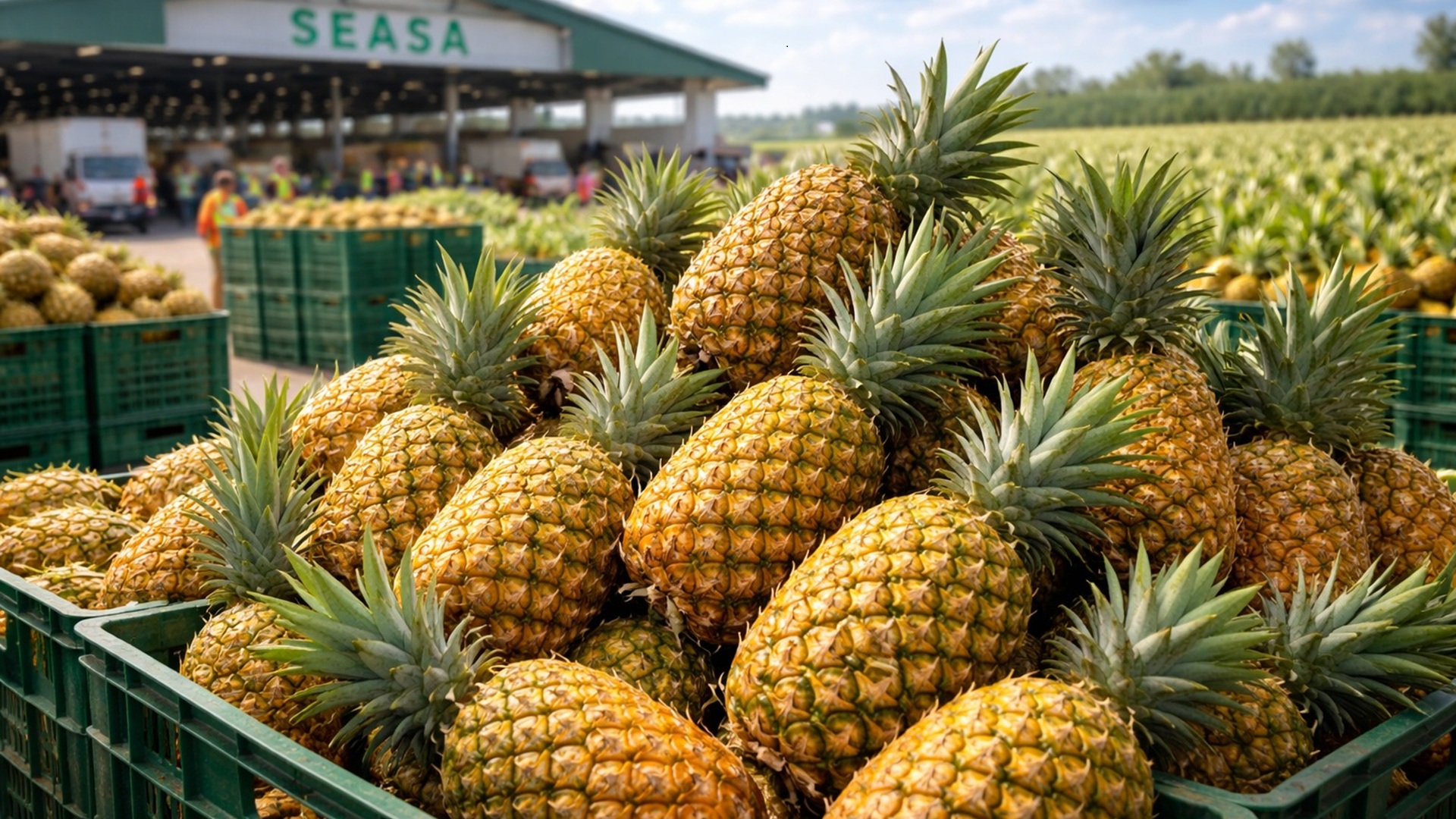
With an Inflow of Up to 500 Tons Monthly at SEASA in Maracanaú, Irrigation Advances Strengthen Pineapple Cultivation in Ceará, Expanding Supply in Greater Fortaleza, Involving Family Farming and Projecting Year-Round Programmed Production to Reduce Dependence on Other States
Irrigation has boosted pineapple cultivation in Ceará, allowing for an inflow of up to 500 tons monthly at SEASA in Maracanaú and expanding the supply for Greater Fortaleza, even in a state of high temperatures and irregular rainfall.
Irrigation Boosts Pineapple Cultivation in Ceará’s Semi-Arid Region
Even marked by high temperatures and irregular rainfall, Ceará has expanded pineapple cultivation using irrigation techniques. The production has become an alternative to diversify activities in the semi-arid region and reduce dependence on other orchards from the Northeast, South, and Southeast.
At SEASA in Maracanaú, pineapple is among the eight preferred fruits of consumers. According to market information, up to 500 tons enter monthly, a significant volume to supply Greater Fortaleza with potential for growth.
-
Low-Demand Brazilian Beef Offal Gains Popularity Abroad: Indonesia Purchases $19.5 Million, Boosting Revenue and Reducing Waste

-
Soy Expansion in Former Brazilian Savanna Sparks Water and Land Conflicts in Major Agricultural Frontier
-
Mexican Pest Threatens U.S. Cattle Herds at Historic Lows, Potentially Boosting Brazilian Beef Exports as Burger Prices Soar

-
Avocado Boom for European and U.S. Markets Fuels Water Crisis in Drought-Stricken Chilean Region


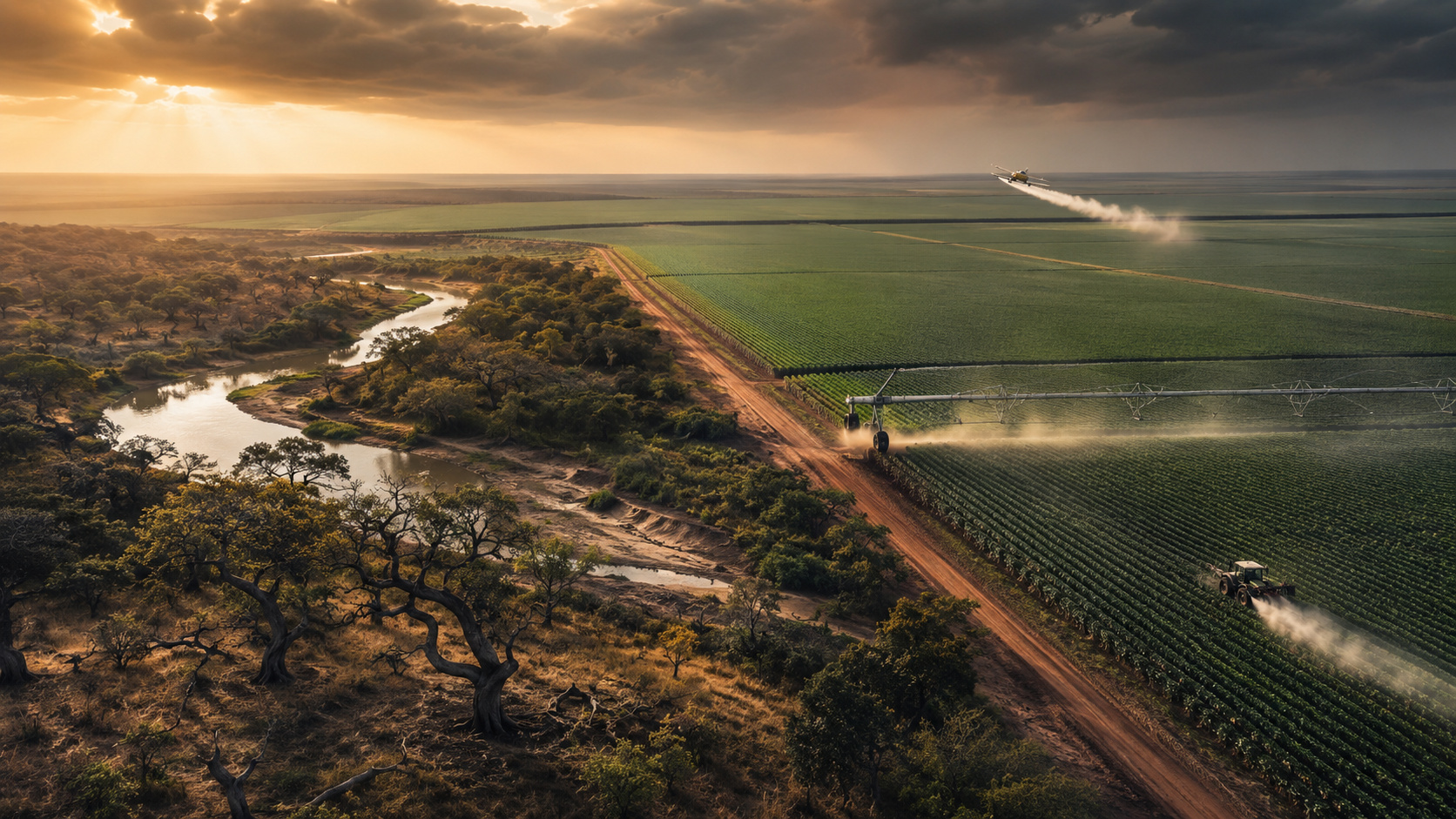


The 500 tons represent a monthly volume that can be increased with the rise in local production. The strategy is to ensure a continuous supply throughout the year, avoiding short production periods and interruptions in supply.
Programmed Production Ensures Market Presence Year-Round
Programmed production is deemed essential for strengthening pineapple cultivation. Producers need to maintain supply year-round to find space in the market at better prices and ensure a steady income for families.
Large business owners and small producers are already investing in localized production at strategic points. The goal is to prevent the Ceará market from becoming dependent on other regions and establish a stable marketing path.
While irrigation is not currently sufficient to meet total demand, there is potential for growth. The state has good potential to expand pineapple cultivation in different regions.
Family Farming Supports Expansion of Cultivation
Pineapple cultivation in Ceará involves family labor, a factor that contributes to the sustainability of small producers and strengthens the rural economy. Family farming is highlighted as an important point in the state’s development.
In addition to pineapple, there is a mention of the need to awaken to other crops. Ceará has varied climatic conditions, such as the climate of the Tianguá mountains, the Baturité massif, Meruoca, and the Cariri region.
Even the hinterland has abundant water, according to the report presented. The use of this water could open new markets and place Ceará’s products in other states, strengthening the economy and regional development.
Market, Consumption, and Buyer Guidance
The pineapple sold at a pulp factory in Cascavel is purchased at SEASA. The purchase occurs approximately once a week and also includes guava and passion fruit.
In domestic consumption, there is guidance on selecting the fruit. The recommendation is to observe the mesh of the pineapple. When the mesh is well open, it indicates a stage of ripeness. The aspect of the leaf alone can create the illusion that it is ripe.
The fruit is described as citrusy and sweet, refreshing, suitable for heat, either raw or as juice. It is also consumed in barbecues, enhancing the flavor of the meat and aiding in digestion.
The combination of irrigation, programmed production, and family farming participation consolidates pineapple cultivation as a relevant activity in Ceará, with significant monthly volume and expansion potential to meet local and external markets.






-

1 person reacted to this.