Portuguese
  Spanish


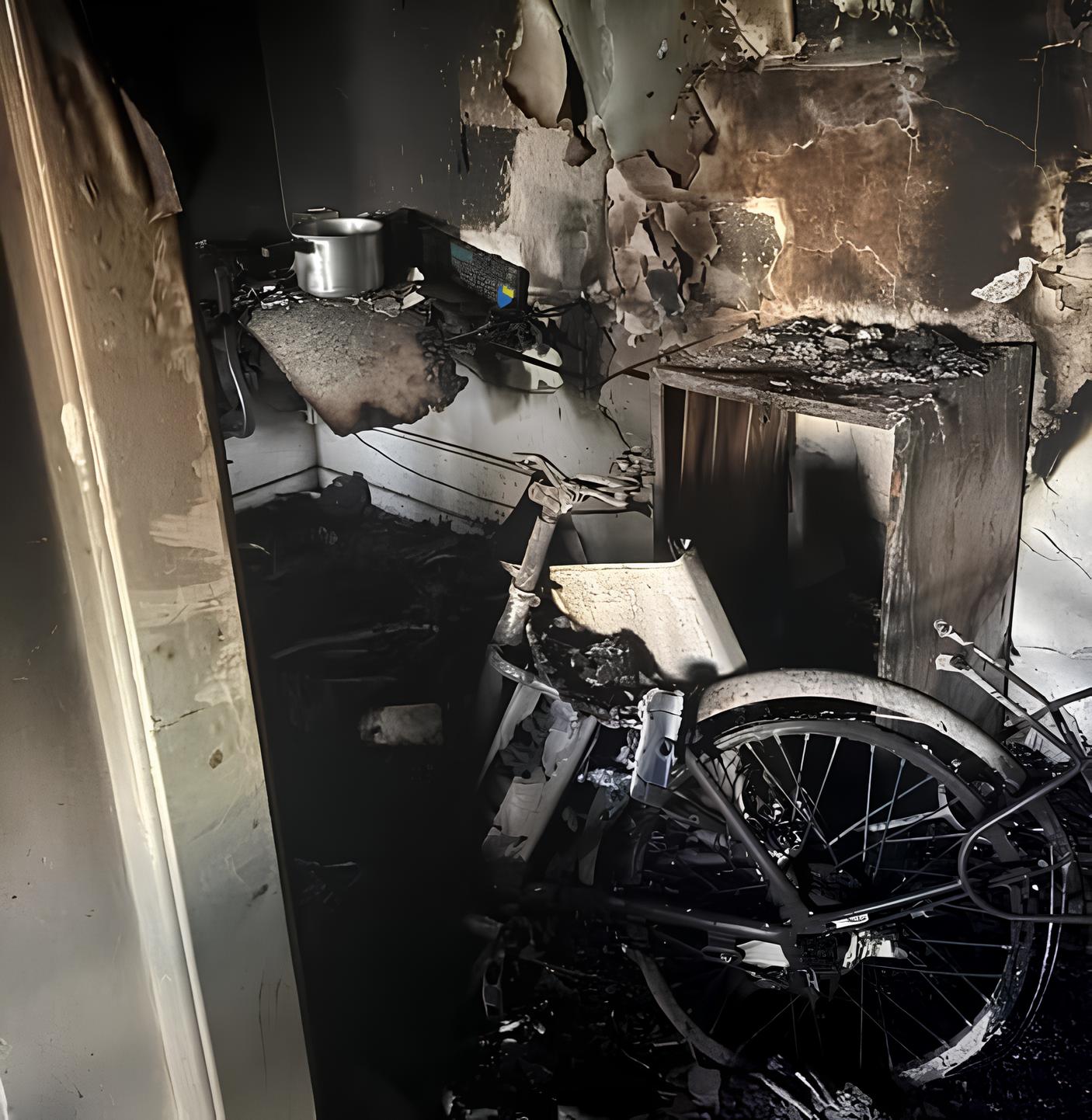

E-Bike Battery Explodes in Apartment in Rio and Destroys Property. Case Reignites Alert About Safe Use of Electric Bicycles in Enclosed Areas.
In the early hours of Tuesday (14), residents of a building in Rio de Janeiro were awakened by an explosion inside an apartment: an electric bicycle battery that was plugged into the outlet simply caught fire, destroying part of the property and leaving a trail of smoke and structural damage. The episode ignited an alert across the country about the latent dangers of e-bikes — a promising technology that requires extreme care in use and charging.
Although reports about the case are limited at this time, the news has been circulated based on local sources, which indicate that the incident occurred while the occupant was sleeping. The battery was reportedly left charging overnight inside the apartment, unattended. Witnesses reported shards, a strong burning smell, and electrical malfunctions that resulted in small fire outbreaks on the adjacent walls.
What Can Cause an Explosion in an E-Bike Battery
The risk is not merely hypothetical: lithium-ion batteries, commonly used in electric bicycles, are sensitive to thermal failures, overcharging, internal short circuits, or the use of incompatible chargers. When a cell fails uncontrollably, it can trigger a domino effect (known as thermal runaway), generating intense heat, toxic smoke, flames, or even explosions.
-
Chery Offers Lifetime Battery Warranty and Car Replacement for Major Failures Under New Chinese Regulations

-
Nissan Discontinues Qashqai SUV Amid Cost-Cutting, Chinese Competition, and Product Line Review
-
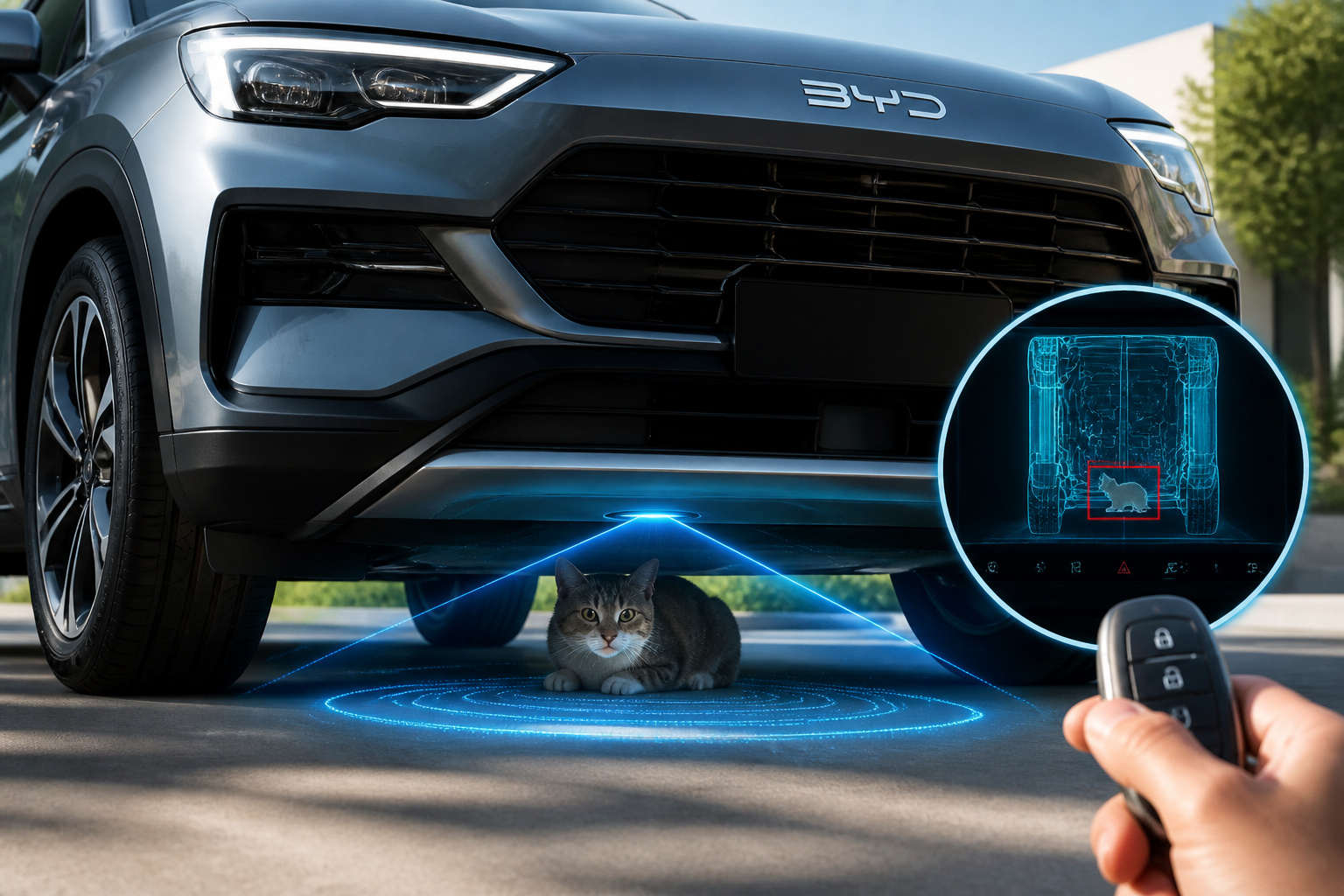
BYD Patents Revolutionary System Using Computer Vision to Detect Animals Under Cars Before Starting, Preventing Tragedies

-
BMW Completes $1.7 Billion Investment in the U.S. for Electric Vehicle Production, Positions South Carolina for New Generation as Rivals Reassess EV Race



In the specific case that occurred in Rio, the battery was improperly charged in a closed residential environment, which can exacerbate any failures — without adequate ventilation or monitoring, a defective cell has space to propagate the failure.
This type of incident has already been studied by energy safety experts, who warn: “never leave lithium batteries charging unattended or for long periods without supervision.”
E-Bike: Between Urban Mobility and Electric Risks
Electric bicycles (e-bikes) have gained traction in major cities as an economical, sustainable, and agile mobility option. They are equipped with electric motors and powerful batteries that allow range from 30 to 100 km, depending on the model and usage.
In Brazil, the market has been growing: the National Electric Transport Agency (ANEEL) recorded a 45% increase in the approval of electric mopeds over the past two years.
However, widespread use requires awareness. Many accident cases involving electric vehicles are associated with the use of generic chargers or low-quality ones, makeshift adapters, and failures in residential electrical installations. In a country like Brazil, where the electrical grid in some locations experiences voltage fluctuations, these instabilities increase the risk of occurrences.
Previous Cases and Safety Statistics
This is not an isolated case in the world. There have been similar incidents in residences in the United States, China, and Europe involving electric scooters and lithium batteries. In 2023, a residential building in New York had to be evacuated after a battery explosion left charging inside an apartment.
Global safety statistics are still imprecise because many cases are not formally documented, but studies by energy safety agencies suggest that about 1 to 2% of home accidents involving electric vehicles involve failures in lithium batteries — a small percentage, but with high destructive potential.
Prevention: How to Use and Charge Safely
For those who already own or are considering getting an e-bike, following good practices is essential to drastically reduce risks. Some technical and practical recommendations:
- Always use the manufacturer’s original charger or an approved one, with overload protection and automatic shut-off.
- Avoid charging the battery in enclosed spaces without adequate ventilation.
- Never leave the battery charging unattended, especially at night or while you are sleeping.
- Regularly check the battery’s condition: if you notice excessive heating, swelling, or unusual smells, stop using it.
- If possible, charge the battery outside the property (in a ventilated garage or outdoor space) or in an isolated compartment.
- Prefer batteries with safety certifications (such as UL, IEC) and follow the manufacturer’s technical guidelines.
Consequences of the Case and Regulatory Reflexes
The incident in Rio may serve as a warning for regulatory authorities and environmental agencies. It is likely that municipal or state agencies will require stricter regulations for the commercialization, charging, and disposal of lithium batteries for electric vehicles.
Additionally, residential insurance companies and condominiums may review coverage clauses involving electric vehicles within apartments. In the event of a claim, e-bike owners may be held liable for damages to neighboring units or condominium structures.
This imperative case in Rio de Janeiro highlights the urgency of educating users, sellers, and regulatory agencies about the electrical risks associated with e-bikes. Sustainable urban mobility cannot ignore electrical safety.
For condominium residents and urban users, it has become clear that the technology that drives the future can bring invisible dangers when used negligently. The explosion in Rio serves as a poignant alert: it’s impossible to dissociate innovation from responsibility.
If you own or plan to acquire an e-bike, take this alert seriously: your battery is the heart of the vehicle and deserves full attention.