Portuguese
  Spanish


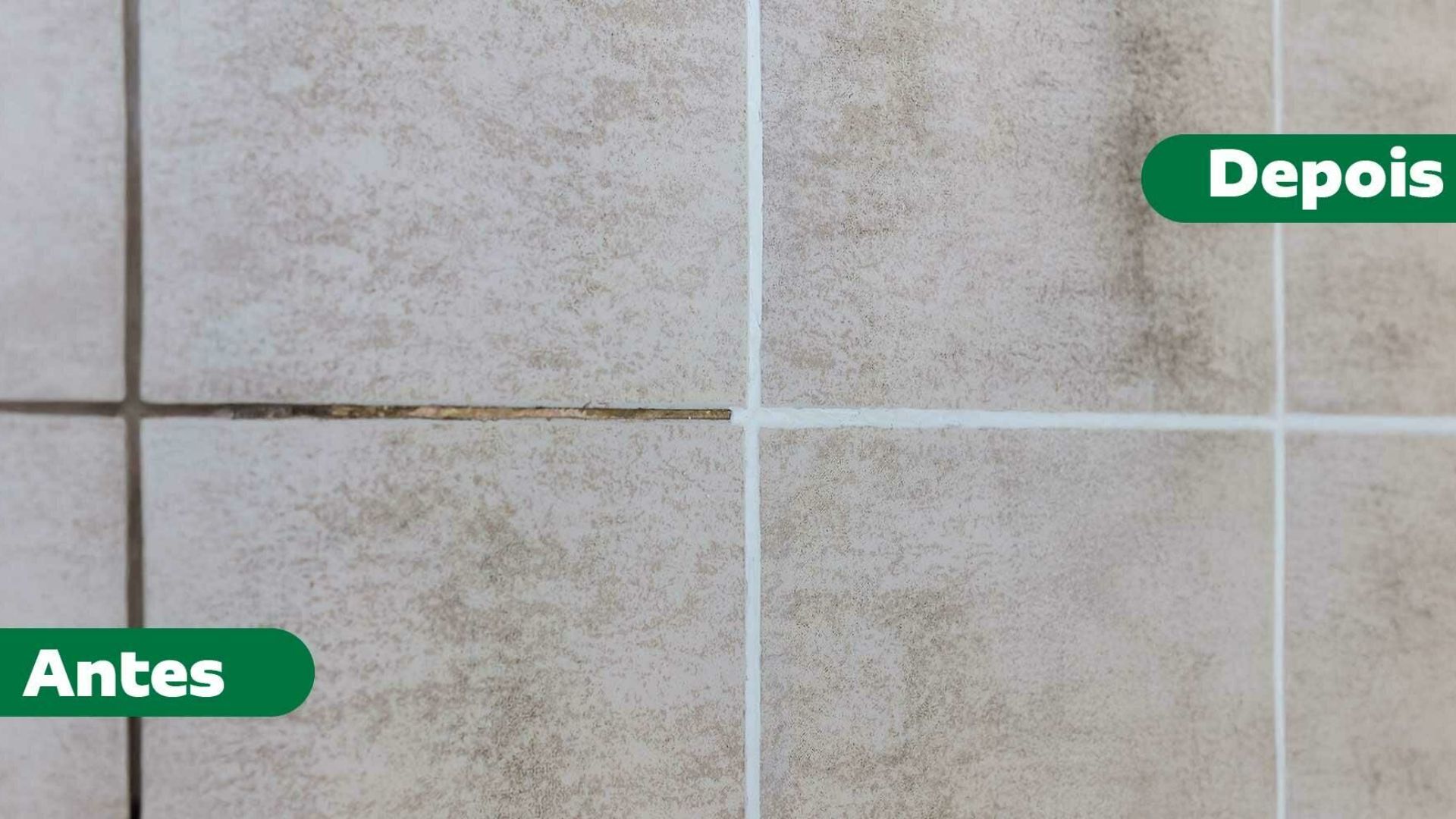


A simple mixture of cheap ingredients became a highlight on cleaning sites by promising to whiten grout, reduce dark mold, and refresh the look of wet areas in homes and apartments using only common items from day to day.
A mixture made with only baking soda and hydrogen peroxide has gained traction on service sites, cleaning profiles, and decor blogs as a homemade solution to revive stained grout in bathrooms and kitchens.
The combination is presented as a cheap alternative to industrial grout cleaners, promising to whiten the joints, reduce dark mold, and improve the appearance of wet areas in just a few minutes, using easily accessible products.
Interest is growing amid a recurring problem in homes and apartments: grout that darkens over time, accumulates dirt, moisture, and fungi, and begins to clash with tiles and floors that remain in good condition.
-
Adventurer Solo Climbs 20-Meter Giant Fig Tree in Costa Rica, Camped in Canopy, Explains Tree’s Unique Growth Strategy

-
Underground Fire Burns for Over 100 Years in New Zealand Forest Without Wood, Smoke, or Human Intervention

-
Brazilian Town Known for Its Steady Winds Impresses with Cutting-Edge Hospitals, Clean Air, and Peaceful Living Just Three Hours from São Paulo
-
Animal Thought Extinct for 130 Years Reappears in Brazil, Exciting Scientists with Rare Comeback


Bathroom boxes, areas around the toilet, and regions near the stove tend to concentrate more grease, splashes, and steam, favoring the emergence of dark spots in the lines between ceramic or porcelain pieces.
In reports and cleaning guides, the “mixture” appears as a first resource before resorting to complete grout replacement or more expensive professional products.
The logic is to test the effect of household ingredients on a small area to assess whether the visual improvement is worth it and if the surface reacts well to the paste.
How To Prepare The Baking Soda And Hydrogen Peroxide Mixture

Although the proportions vary according to the tutorial, the base of the recipe is always the same: baking soda powder combined with cosmetic-grade hydrogen peroxide, usually in 10 or 40-volume versions found in pharmacies.
In some instructions, the recommendation is to use one part baking soda to two parts 40-volume hydrogen peroxide, until forming a firm consistency paste that is easy to spread over the grout.
Another type of step-by-step guide suggests the opposite approach: two parts baking soda to one part 10-volume hydrogen peroxide, resulting in a thicker mixture, suitable for application with a toothbrush, small sponge, or brush.
In both cases, the paste should be prepared only in the amount necessary for immediate use, as hydrogen peroxide can lose efficiency over time once opened and mixed.
Some content adds a few drops of neutral detergent to the mixture, arguing that the product helps spread the paste better and remove surface grease present on the floor or walls.
Still, the focus remains on the two main ingredients, pointed out as responsible for the apparent whitening effect of the grout.
What The Mixture Promises To Do To The Darker Grout
Service texts describe the combined action of the ingredients as complementary.
Hydrogen peroxide is presented as a cleaning and surface whitening agent, capable of helping to reduce the yellowed or grayish appearance of the joints.
Baking soda is mentioned as a gentle abrasive, which facilitates the removal of the ingrained dirt layer during scrubbing, without being as aggressive on the grout mix.

In many reports, the promise is that, after a waiting period and a light scrubbing, the grout will return to being “very white,” as long as the deterioration is not structural and there are no leaks or detachment of the material.
When the stains are very deep or old, the guidance admits that the result tends to be only a partial whitening, not a return to the appearance of brand new construction.
Application Time And Action Times Most Cited In Tutorials
Besides the proportion of the ingredients, the contact time of the paste with the grout is one of the most repeated points by the tutorials.
In texts that highlight the result “in 15 minutes”, the recipe often indicates that the mixture should be applied directly to the lines, left to act for about that period, and only then scrubbed with an appropriate brush and rinsed with water.
Other instructions work with shorter intervals, between five and ten minutes, especially when the hydrogen peroxide used is of a lower volume.
Despite the difference in times, the general procedure remains similar: spread the paste over the grout already cleaned of dust and loose debris, wait for the recommended pause, scrub, and remove the excess with water and, if necessary, a small amount of neutral detergent.
Guidelines also indicate that the floor or wall should be dried after cleaning, with a clean cloth, so that the visual effect can be assessed more accurately.
If the grout remains darkened in certain spots, some guides suggest repeating the application on another occasion, always checking if the material shows signs of wear.
Mixture Is Also Used To Reduce Black Mold
The black mold that forms in bathroom grout, especially in areas subject to constant steam and little ventilation, is another frequent target of the baking soda and hydrogen peroxide mixture.
Consumer guidance texts highlight that solutions based on hydrogen peroxide at low concentrations are used to help combat mold in tile and coating joints, mainly when associated with the mechanical action of scrubbing.
In these recommendations, baking soda appears as a complement that aids in removing the darkened layer, loosening dirt and fungal residues that accumulate on the surface.
The visual result tends to depend on the intensity of mold, the frequency of cleaning, and environmental conditions such as ventilation and light incidence.

Care With Sensitive Floors And Limitations Of The Recipe
Despite the popularization, the same contents that spread the recipe often list limitations and necessary precautions.
There are warnings about the risk of color alteration in very dark porcelain, some types of natural stone, and coatings with special finishes, especially when hydrogen peroxide is used in higher concentrations.
For this reason, the recurring recommendation is to test the mixture in a small, less visible area before applying it to the entire surface.
Newly applied grouts also appear among the cautions, as the material goes through a curing period and may be more susceptible to damage when subjected to intense scrubbing or inadequate products.
Another guideline present in tutorials from companies and cleaning blogs is the use of protective gloves during application and the preference for well-ventilated environments.
Regular cleaning of the bathroom and kitchen, with the removal of accumulated moisture, is pointed out as an important measure to prevent the quick return of staining and mold.
Low Cost Drives The Popularity Of The Mixture
The affordable price helps explain the popularity of the combination.
Baking soda and hydrogen peroxide rank among the cheapest items on supermarket and pharmacy shelves, sold in small packages that allow for targeted tests in small areas of the floor or coating.
Reports focused on home economy highlight that, besides being cheap, these products are often used in other cleaning tasks or personal care, which increases the perception of cost-benefit for the consumer.
The chance to try to whiten the grout for little money before investing in specific products or specialized services appears as an additional attractive factor.

Dangerous Mixtures: What Not To Combine With The Recipe
In the field of chemical safety, public agencies, technical entities, and cleaning product manufacturers remind that the combination of cleaning products should be made with caution.
Among the most cited warnings is the recommendation to not mix hydrogen peroxide with vinegar, due to the formation of peracetic acid, a corrosive and potentially irritating substance.
Another emphasized point is the prohibition of mixing bleach with other cleaning products, including hydrogen peroxide, due to the risk of releasing toxic gases or dangerous reactions.
Recipes aimed at cleaning grout emphasize, therefore, only the use of baking soda and hydrogen peroxide, possibly with a small amount of neutral detergent.
ANVISA highlights that even products considered safe can generate aggressive compounds when combined inappropriately and always recommends reading labels and using appropriate protection.