Portuguese
  Spanish


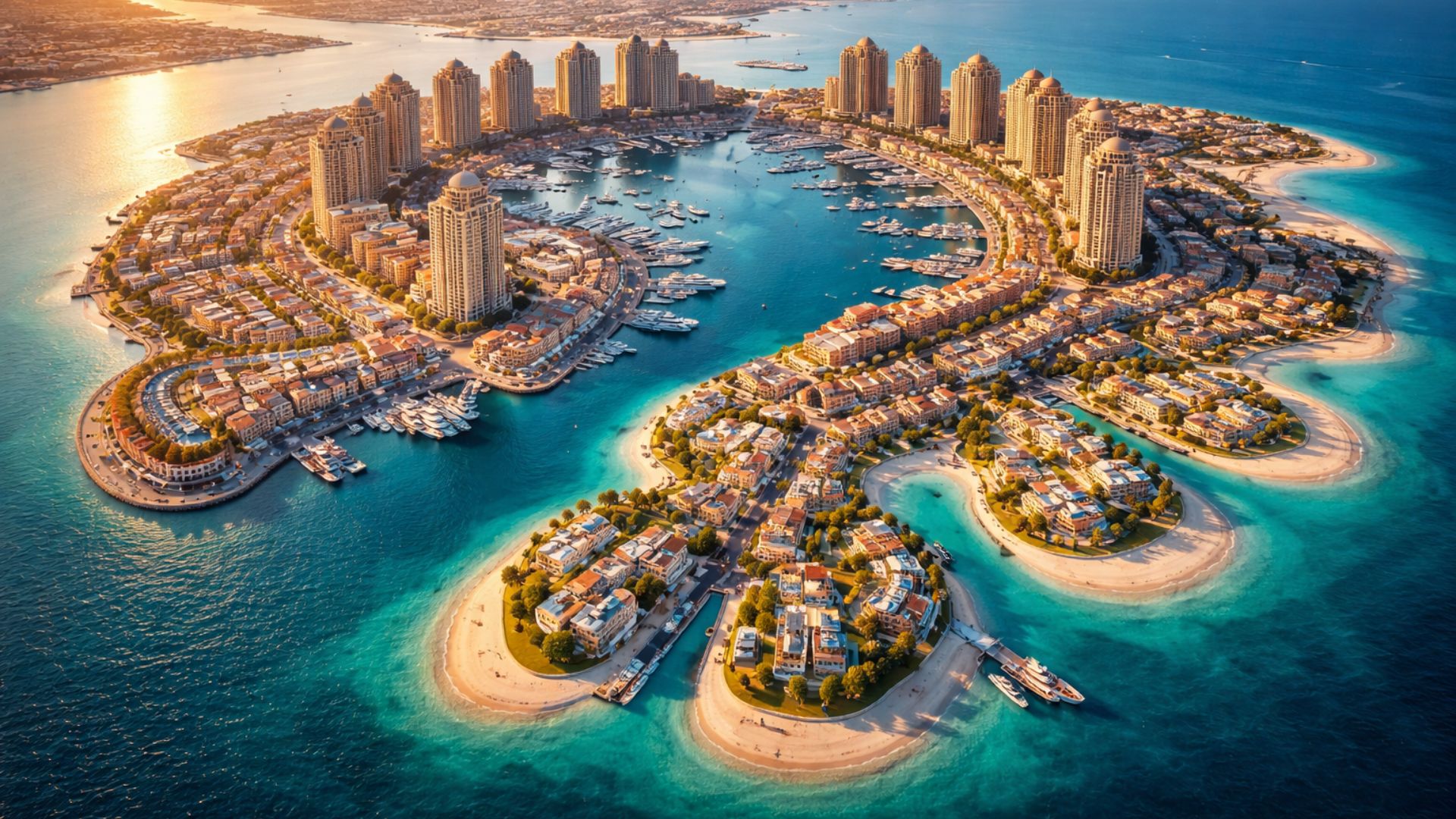


Billion-Dollar Development In Doha Brings High-End Properties, Marinas, Five-Star Hotels, and a Cosmopolitan Lifestyle Built Over the Sea, in a Project That Expanded the Country’s Coast, Opened the Real Estate Market to Foreigners, and Became a Showcase of Luxury, Engineering, and Urbanism in the Gulf.
The Pearl Island, internationally known as The Pearl, has become one of the most iconic addresses of luxury real estate in Qatar by bringing together high-end condominiums, marinas, and five-star hotels in an area built over the sea in Doha.
Launched in 2004, the project was the first in the country to allow foreigners to purchase properties in full ownership, and by the end of the works, it was associated with an estimated cost of around US$ 15 billion, well above the initially disclosed amount.
With approximately 4 million square meters of reclaimed land, the development expanded the coastline of the capital and established itself as a planned neighborhood with international appeal, designed for high-end living, tourism, and consumption.
-
Tokyo Scientists Create First 18cm Biohybrid Hand Using Human Muscle, Capable of Scissor Gesture and Holding a Pipette

-
Brazil Faces Norway in World Cup at Stadium Linked to Jimmy Hoffa’s Mysterious Disappearance

-
Retired Woman Leaves French Public Housing Due to Fear, Lives in Van for Weeks, Prompting Response from Local Authorities and a Priest
-
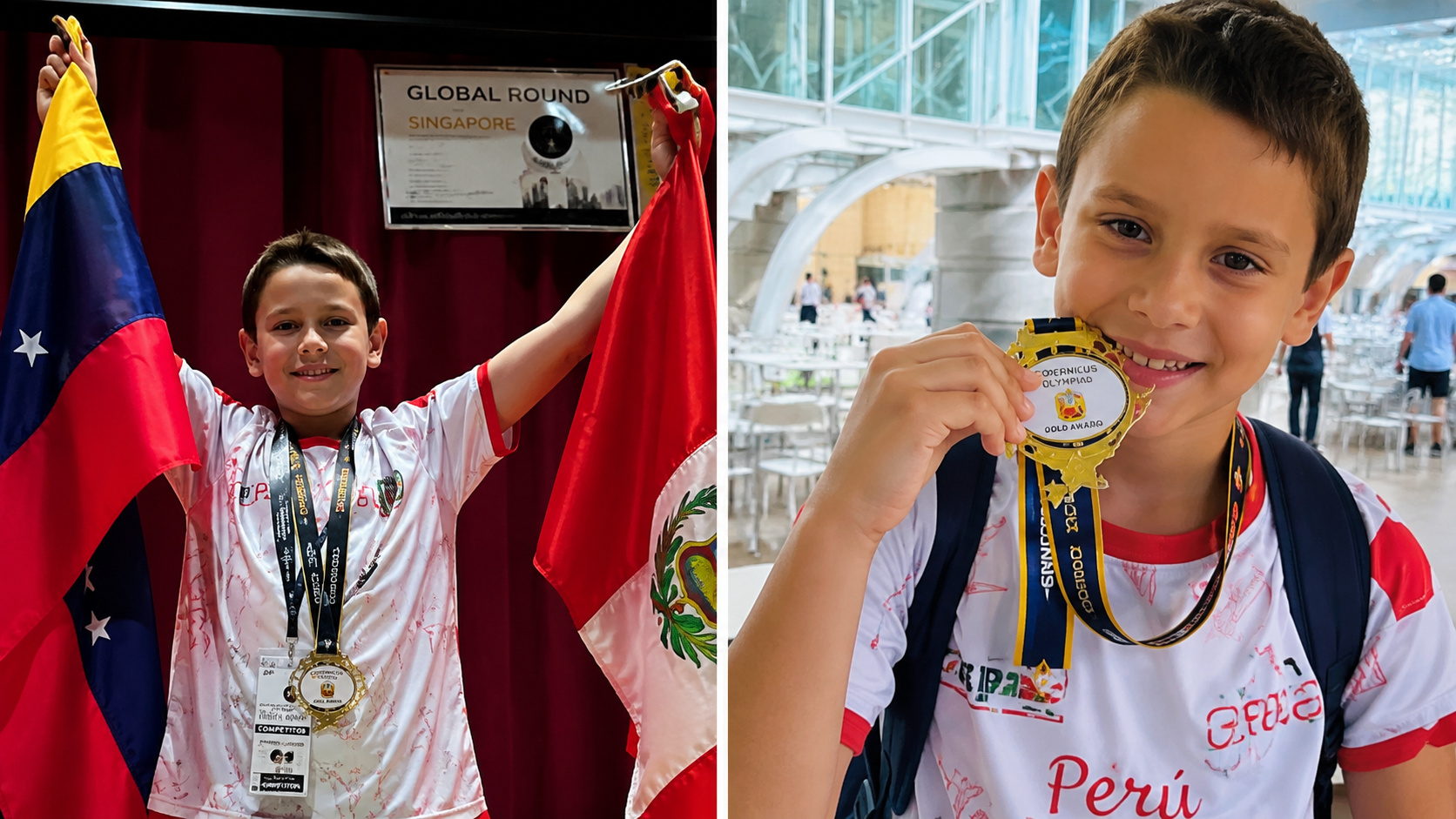
9-Year-Old Fabio Isaac Wins Gold at Copernicus Math Olympiad in Singapore, Representing Peru Against Global Young Talents

Urban Project Over the Sea and Opening to the International Market
The Pearl was announced in 2004 as a mega-urbanization initiative through land reclamation and coastal expansion, during a time when Doha was accelerating projects aimed at economic diversification and the international projection of the country.
At the time, the cost of the project was estimated at US$ 2.5 billion, a figure that was later revised to around US$ 15 billion after the completion and maturation of the project.

The regulatory landmark helped differentiate the island from other neighborhoods in the city by inaugurating in Qatar the possibility of property purchase by foreigners in full ownership, a measure that attracted residents and investors from outside the country.
Although the initially mentioned number of residents revolved around 45,000 people, more recent estimates associated with urban planning indicate a higher population, with the island functioning as a consolidated residential neighborhood within the capital.
European Architecture and Districts with Their Own Identity
As visitors walk through The Pearl, they encounter a scene that departs from the traditional Gulf imagery, with facades inspired by Mediterranean architecture, artificial canals, open squares, and areas designed for pedestrian circulation.
The project is described as divided into 12 districts, each with its own architectural identity and distinct functions, combining living, commerce, and leisure in an integrated urban design.
Areas such as Porto Arabia and Qanat Quartier have gained prominence for concentrating marinas, canals, and promenades, while more exclusive areas have been allocated to larger residential units with a higher level of privacy.
This organization has contributed to the perception of the island as a planned space for residence, consumption, and tourism, in contrast to the prevailing urban logic in other regions of Doha.
Luxury Hotels and Tourist Hub in Doha
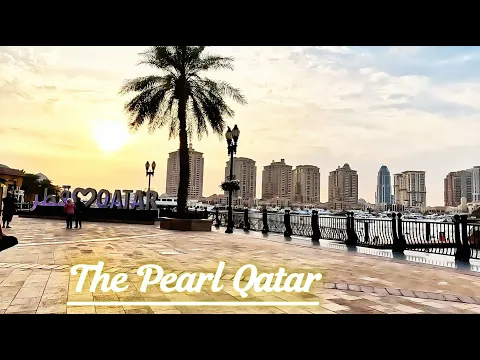

The island has established itself as one of the main hubs for high-end hospitality in the capital of Qatar, bringing together ventures from international brands focused on luxury tourism.
Among the most well-known is the Marsa Malaz Kempinski, described as a five-star resort located in an exclusive area within the complex.
In addition to it, hotels and hotel residences from global brands reinforce the neighborhood’s vocation to receive visitors interested in premium accommodation, international cuisine, and experiences focused on high-end consumption.
The range of bars and restaurants is part of the island’s daily life, in a context where the sale of alcoholic beverages in the country is regulated and usually restricted to hotels and licensed establishments, especially in tourist areas.
How Much It Costs to Live on The Pearl Island
The prices of properties serve as one of the main access filters to the neighborhood, reflecting the profile of the audience looking to live or invest in the region.
Smaller apartments can reach high figures in dollars, while seafront villas are listed with multi-million dollar prices, varying according to location, size, and view.
In the cited example, units valued at over US$ 12 million, equivalent to about R$ 64 million, illustrate the level of exclusivity associated with the most valued areas of the island.
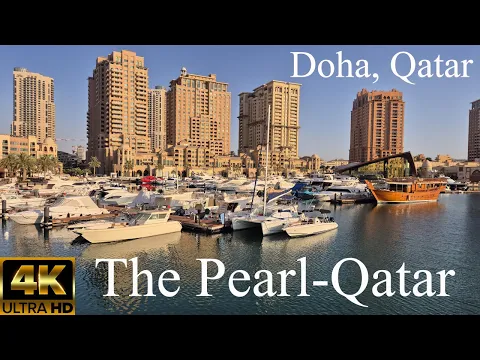
Despite the high cost, residents and investors often highlight the differentiated urban experience, with promenades, waterfronts, plazas, and street commerce, in a design less dependent on cars.
Relative Freedom and Image of Enclave in the Middle East
The Pearl has come to be described as a cosmopolitan enclave within Qatar, concentrating expatriates and services tailored for an international lifestyle.
The notion of freedom often appears associated with the comparison to other areas of the country, especially regarding leisure habits and clothing in private and tourist spaces.
Still, this is a perception linked to the specific context of the island, as the country maintains its own cultural and social rules, which vary depending on the environment and type of space.
As such, the island has gained a reputation for functioning as a “bubble within a bubble,” gathering luxury, engineering, and urbanism in a space that contrasts with the more traditional urban dynamics of Doha.
To what extent do developments like The Pearl influence urban transformation in Qatar beyond their own boundaries?