





 Portuguese
  English
  Spanish
  3 min of reading
  0 comments


São Paulo startup supported by Fapesp created PalmaFlex Total to anticipate water shortage risks in the field, combining sensors, long-range radio, and artificial intelligence to guide producers in the face of irregular rains and irrigation decisions.
The water shortage in the field can be predicted with the support of sensors, radio, and artificial intelligence on a platform created by the São Paulo startup Spectrum, supported by PIPE-FAPESP, to estimate the water availability of sources.
Technology seeks to reduce blind decisions in irrigation
The problem faced by producers begins even before irrigation. In many properties, it is necessary to travel long distances to the pump house without knowing if the river will have enough flow to sustain the operation.
This travel consumes time, energy, and resources, especially when the decision ends in frustration. The proposal of PalmaFlex Total is to replace part of this uncertainty with data collected in the field and transformed into practical information.
-
A robotic hand uses touch and vision to pick ripe fruits with nearly 100% accuracy. Researchers have built a flexible robotic claw that detects the ripeness point and gently picks fruits.

-
From 30 cooperators to an agro-industry that brings together 390 families, from the agrarian reform in Paraíba, embarking on a historic leap, the first goat milk powder industry from family farming in the Northeast, a R$ 3.75 million project to tackle the drought in the Semi-Arid region.
-
Mother and daughter face grief in the countryside, keep alive the dream started by five generations of beekeepers, and transform the rare white honey from Campos de Cima da Serra into a story of family succession, resilience, and work among the bees in the interior of Rio Grande do Sul.

-
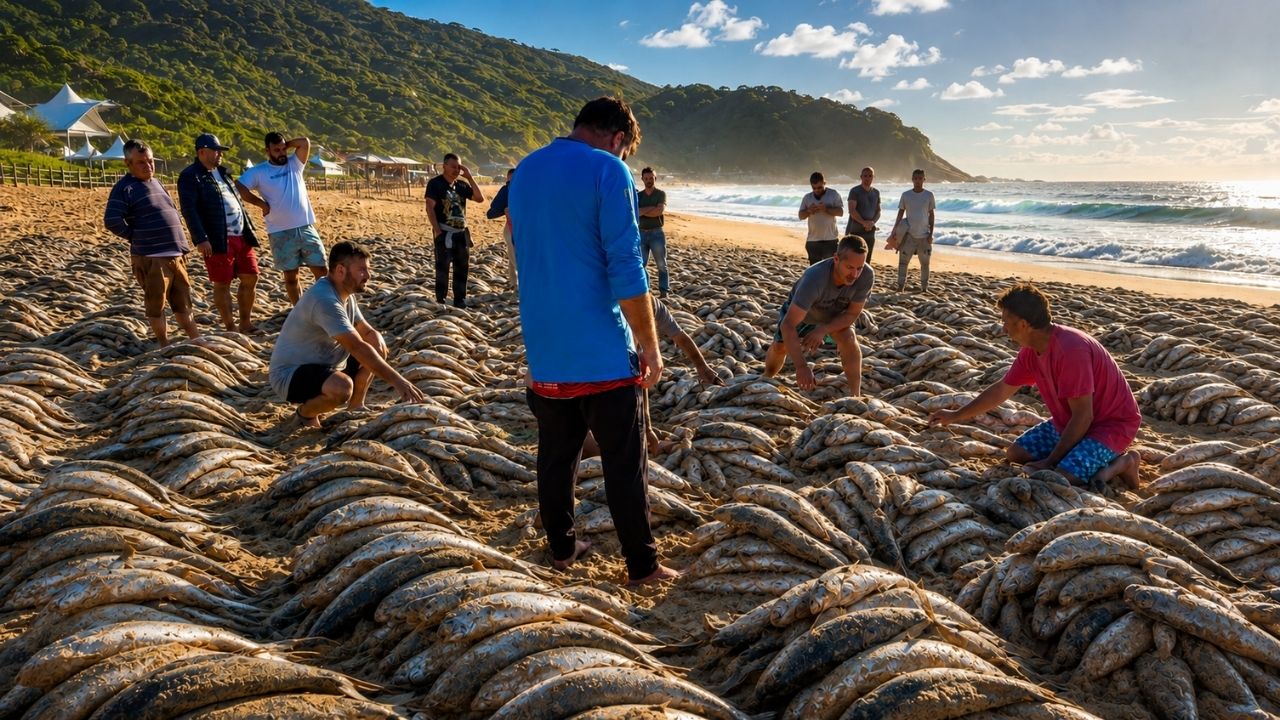
Federal government backtracked after protests in SC: suspended mullet fishing but released an additional 400 tons, reigniting the hope of fishermen who saw schools pass by without being able to work again while waiting to return to the sea safely.


The solution derives from PalmaFlex, an Internet of Things platform launched in 2019 to monitor soil moisture. The expansion led the system to also estimate the availability of water in the sources used by agricultural production.
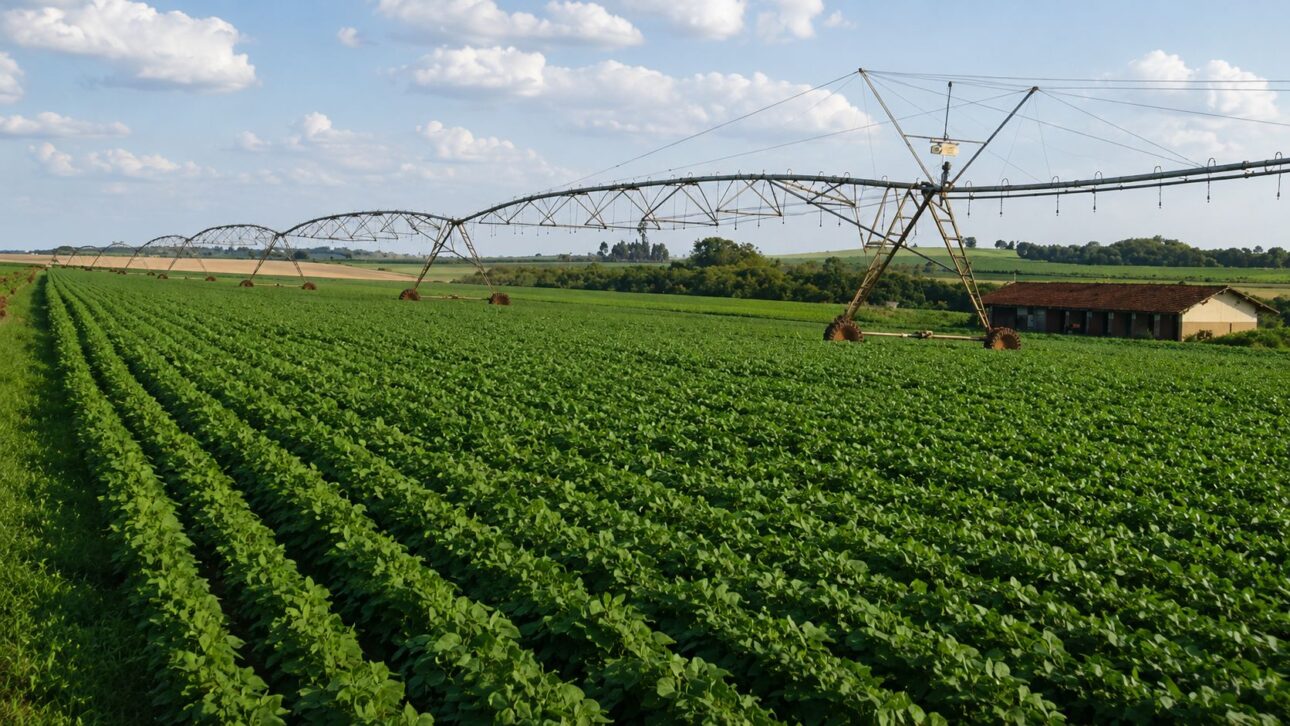
Water shortage is monitored with sensors and artificial intelligence
PalmaFlex Total combines sensors installed in the soil, data communication via radio, and artificial intelligence models. The long-range transmission can cover areas of up to 3,000 hectares, which expands its use in remote properties.
The platform also monitors wind, solar radiation, and temperature. Another planned function is the detection of engine failures, an important resource to avoid operational losses during the use of pumping systems.
The development is led by Adilson Chinatto and Cynthia Junqueira, an electrical engineer with a master’s degree from ITA and a doctorate from Unicamp.
The technology was designed to have high connectivity, low maintenance cost, and application in remote agricultural areas.
Why the lack of water or water control directly affects food production in the field
Water is essential for crops to grow, to keep the soil moist, for irrigation to work, and to prevent losses during periods of drought or irregular rainfall.
When the producer does not know if the river, pond, or spring will have enough water, they may waste time, expend energy unnecessarily, and even jeopardize the plantation.
That’s why water control matters so much: it helps the producer decide when to irrigate, how much to irrigate, and if there is water available for it. In practice, this can prevent waste, reduce costs, and protect agricultural production.
In scenarios of irregular rainfall, such tools help the producer to better plan irrigation and reduce unnecessary travel. Do you believe that data intelligence could become indispensable to tackle the lack of water in the field? Comment on how this technology could help small and large properties.
Article made with information from agenciasp.




Be the first to react!