Portuguese
  Spanish


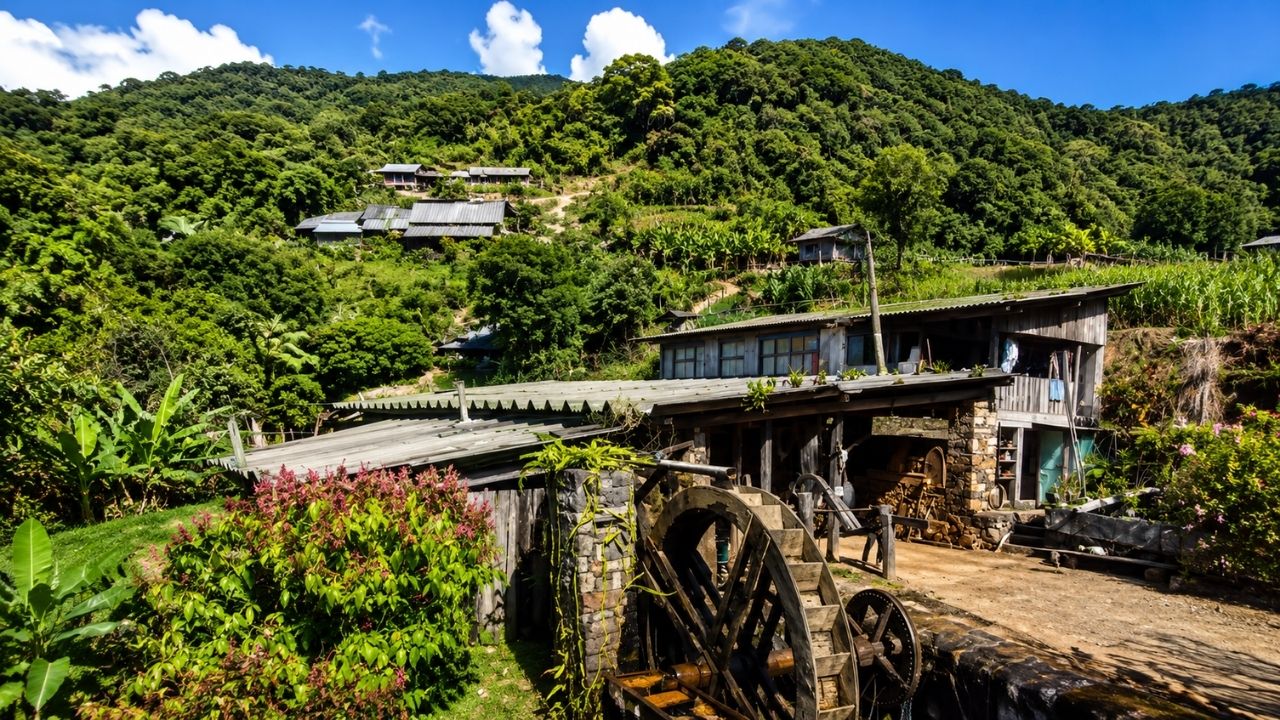

In a report by Balanço Geral Florianópolis, from NDTV Record, Sertão do Ribeirão appears as a rural Florianópolis, located between Ribeirão da Ilha and Pântano do Sul, with just over 40 families, agricultural traditions, mills, distilleries, local gastronomy, and community-based tourism amidst preserved nature.
Florianópolis is often remembered for its beaches, tourism, and urban growth, but a community far from the center shows another side of the capital of Santa Catarina. In a report by Balanço Geral Florianópolis, from NDTV Record, Sertão do Ribeirão was presented as a rural area where just over 40 families maintain ancient traditions.
The report aired on June 4, 2026. The location visited is between Ribeirão da Ilha and Pântano do Sul, in the south of the island, and is portrayed as a different Florianópolis within Florianópolis itself, with farms, mills, distilleries, local gastronomy, and a routine marked by another time.
Sertão do Ribeirão is located between Ribeirão da Ilha and Pântano do Sul
Sertão do Ribeirão is situated in an area of preserved nature between two well-known points in the south of the island: Ribeirão da Ilha and Pântano do Sul. The report shows access from Ribeirão da Ilha, one of the most traditional neighborhoods in Florianópolis.
-
Brazil’s Longest Train Journey Resumes: 664 km Overnight Trip Connecting Two States, 13-Hour Duration, Tickets at $17, Ends Near Beaches

-
Brastemp Unveils Revolutionary Appliance That Cleans Clothes and Phones, Uses Soap Monthly, Smooths Wrinkles, and Eliminates 100% of Dust Mites and 99.9% of Bacteria
-
Brazilian City Provides 296 Apartments Worth $62.9 Million to Families Living in High-Risk Areas, Ending Over 20 Years of Waiting for Decent Housing
-
Tourist Discovers Forgotten Joaquín Sorolla Painting Worth Up to 60,000 Euros While Strolling in Seville


The locality is also referred to by other names, such as Sertão do Peri, Sertão dos Indaiás, and Barreiros do Ribeirão. According to Professor and Historian Rodrigo, a native of Ribeirão and a professional with over 20 years of experience, it is a centuries-old community formed by descendants of Azoreans.
Ancient farms supplied markets in Florianópolis
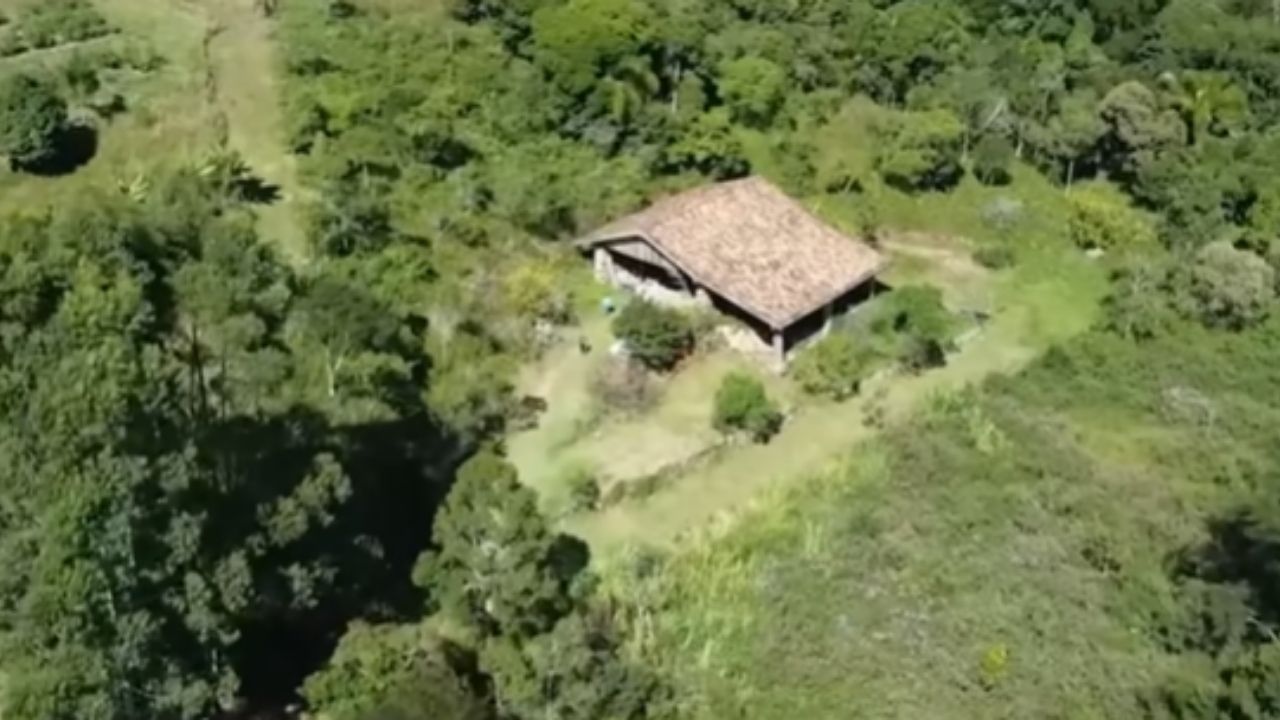
The historian Rodrigo explains in the report that the agricultural vocation of Sertão do Ribeirão has always been significant in the region. Cassava, sugarcane, corn, peanuts, beans, fruits, firewood, flour, and cachaça were part of the local production.
These products were sold to supply markets in Florianópolis. This information helps to understand that the community is not just a preserved rural setting, but part of the very economic and cultural formation of the city.
Community seeks recognition as traditional
The report also heard from Giana, connected to the Vivências do Sertão project, an initiative focused on community-based tourism. The project aims to welcome visitors with experiences related to the community’s gastronomy, nature, and traditions.
According to Giana, in 2014 the residents organized an association that strengthened the fight to remain in the territory. She states that the group does not want to be treated just as a neighborhood, but as a traditional community. This difference is important because it involves identity, permanence, and cultural recognition.
Local gastronomy shows another flavor of the Magic Island
At the community center of Sertão do Ribeirão, the NDTV Record team was welcomed with a breakfast prepared with local products. The table included fruits, bolinho de chuva, couscous, corn polenta, cassava cake, and guava sweet.
Among the highlights was bijajica, a peanut sweet reminiscent of pé de moleque, as well as juice from the juçara palm, prepared with lemon, orange, tangerine, ginger, and molasses. The report describes the drink as a kind of “açaí of the sertão,” due to its color and flavor similar to açaí.
Mills and distilleries remain alive in the territory
The team also visited the Casa Engenho e Alambique Indaiá, where they were welcomed by Adilson, a native of Sertão do Ribeirão. He showed the cachaça production process and shared the family’s relationship with the activity.
According to the report, banana, pineapple, pau-tenente, and the so-called consertada cachaças are produced on site, made with cloves, cinnamon, and fennel. Production reaches 3,000 liters per season and spans seven generations of the family. It is a tradition that remains active within Florianópolis, far from the more urban and tourist image of the capital.
Agroforestry transformed old pasture into edible forest
Another visited point was the Florbela Site, linked to an agroforestry project conducted by the couple Eline and Sérgio. According to the report, they arrived at the location in 2013, when the area was still a large pasture used for cattle.
Over the years, thousands of trees have been planted, and more than 160 different species have come to compose the space. The site turned into an edible forest and receives groups of students to learn about nature, preservation, water, plants, biodiversity, and local culture.
Shade-grown coffee and divine singing reinforce local identity
At the Florbela Site, the report also found the so-called shade-grown coffee, cultivated in coexistence with the forest. The speech recorded in the video highlights that small productions like this have been forgotten in the face of market pace, but still have potential in the territory.
The team also found a group of divine singing, a tradition that travels through the region’s mills and distilleries. These manifestations show that the preservation of Sertão do Ribeirão involves not only landscape but also cultural, religious, agricultural, and community practices.
Flour mill maintains ancient rural knowledge


The tour ended at the Casa Branca Flour Mill, owned by producer Maurici, presented in the report as an authentic native of the Island. He showed details of flour production and explained local differences between cassava, manioc, and yuca.
Maurici also harvested sweet potatoes and other roots during the visit. The scene reinforces the presence of subsistence agriculture in the territory, in contrast to the metropolitan Florianópolis mentioned in the report. There, rural life continues to function within the capital.
Without buses or mailman, community maintains a different pace
One of the most striking parts of the report informs that in Sertão do Ribeirão there are no buses or mailman. It is also mentioned that some houses still maintain lighting with lanterns, a sign of a routine very different from that associated with the more urbanized areas of Florianópolis.
This absence of services reinforces isolation but also helps explain why the place has preserved so many traditional practices. The community appears as a territory where history, agriculture, and nature remain present, even within a city nationally known for beaches, tourism, and urban expansion.
A rural Florianópolis that many people do not know
The Sertão do Ribeirão reveals a Florianópolis rarely seen by those who associate the city only with the beach, traffic, buildings, and summer season. The report shows a small community, with just over 40 families, that still preserves mills, distilleries, farms, gastronomy, and unique ways of living.
The story also raises a discussion about the future. How to preserve traditional communities within a growing capital without turning everything into a tourist attraction or erasing the lives of those who live there? Were you already aware of this rural side of Florianópolis? Leave your opinion in the comments.