






 Portuguese
  Spanish


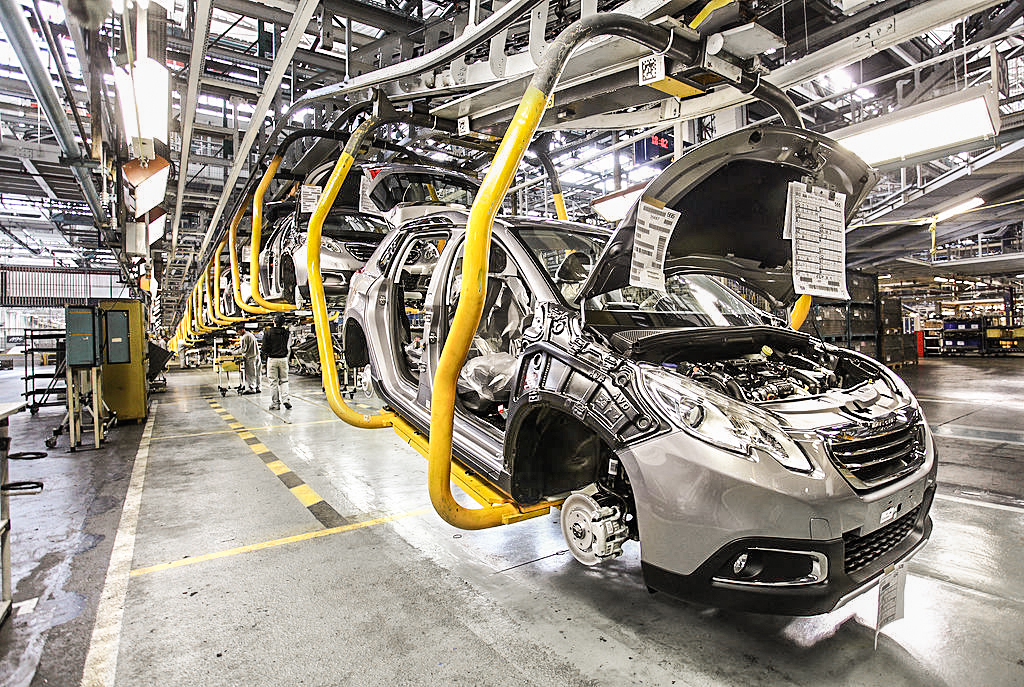

Automakers Are Already Preparing For A Production Drop Due To The Negative Impact Of The Country’s Economic Instability
Last Wednesday (09/08), during the disclosure of the August results of automakers, Luiz Carlos Moraes, president of Anfaeva (association of automakers), stated that the negative signals coming from the current political crisis and the economy may lead to a decline in investment demand after a long period of waiting lists due to lack of components on production lines. Also read this news: Ceará Is In Advanced Negotiations And May Receive A Car Factory From Chinese Automaker Great Wall Motors
- Construction Material Company Will Sell Cement Factory And Other Assets To CSN
- Wilson Sons Opens Job And Internship Positions In Niterói, Rio de Janeiro
- Voltalia Begins Construction Of The World’s Largest Solar Power Plant In RN
- Copel And Itaipu Plant Launch A Pioneering Project That Generates Energy From Biogas In The West Of Paraná
- Cooking Gas Market In MG Shows Signs Of Supply Shortage Due To Truckers’ Strike
Some Problems In Automobile Production
According to the executive, they are already facing difficulties due to production planning, having entered this year with supply and logistical problems. “We already have many issues to manage, and what happened on Tuesday does not help the recovery,” says Luiz Carlos. Moraes emphasizes that there is no room to discuss how this will be resolved, and they expect the Supreme [Federal Court], from a legal standpoint, to find a solution for the automotive sector.
“The country’s image is not good; these recent events create greater concerns in our headquarters. Whenever we discuss with the headquarters of automakers, the first part of the meetings is about the economic situation of the country. We compete for space with countries that have better conditions to attract investments and a stable institutional environment,” says the president of Anfavea.
-
A city with 8,000 inhabitants will receive R$ 25 billion to host the largest single-stage pulp mill in the world, with a production of 3.5 million tons per year and a cost of R$ 45 million.

-
He left India for Oman in 1976, entered through the door of luxury finishes, and took Sobha to the premium real estate market in the Middle East.

-
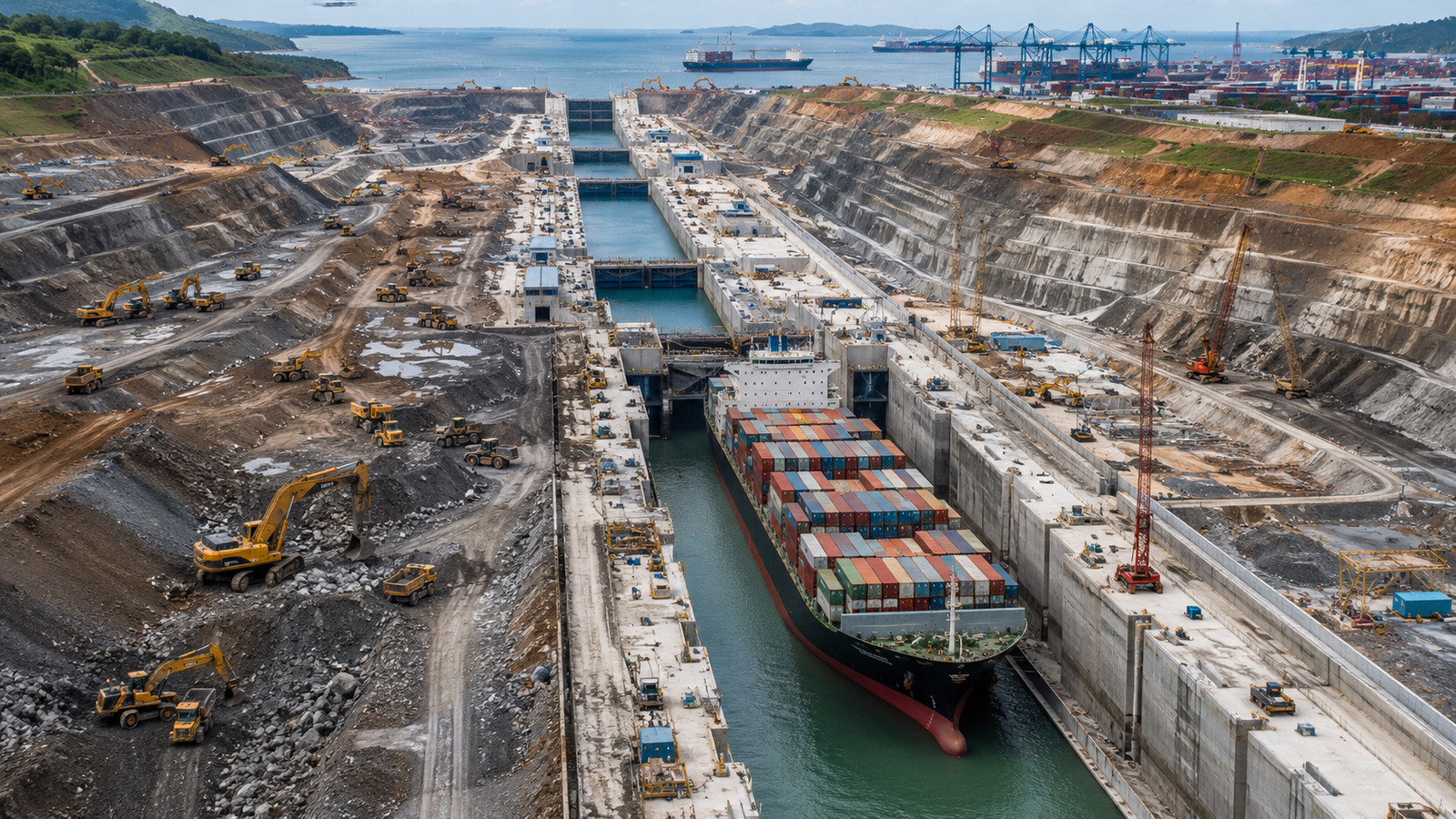
China wants to impress the world once again with a mega canal featuring giant locks, deep waters, and space for the largest ships, in a project aimed at shortening journeys, reducing queues, and rivaling the Panama Canal in global trade.

-
Brazil saved US$ 32.4 billion in 2025 by switching from fossil to renewable energy and only ranked behind China and the United States on the IRENA global podium.



Recovery May Affect Automakers’ Investments In Brazil
When the new recovery occurs, automakers established in Brazil will need to compete for investments with other countries. And it is at this point that the economic scenario may have a negative influence. In August, production fell by 21.9% compared to August 2020. In relation to July, there was a slight increase of 0.3%, which indicates problems in both periods. A total of 164,000 units were produced last month, including passenger cars, light commercial vehicles, buses, and trucks. The normalization of the assembly lines is not expected to occur until the second half of 2022, a period that will coincide with the presidential elections.
In Addition To Economic Instability, Automakers Are Concerned About The Impact Of The Lack Of Rain On Energy Generation
Luiz Carlos Moraes also stated in the results disclosure meeting that automakers are concerned about the impacts of the lack of rain on energy generation. The country is experiencing the worst drought in 90 years, which has been lowering the levels of hydropower plants and forcing the activation of thermoelectric plants that generate more expensive energy. According to experts, the risk of blackouts cannot be ruled out, and there is a need for rationing.
According to Moraes, automakers have been monitoring the scenario weekly, with information provided by the Ministry of Mines and Energy and also by energy traders. “We are hoping to get through November [without rationing] and for the rain to return. But we know that the challenge will not be just this year. We will have to continue monitoring in 2022.”


