






 Portuguese
  Spanish





Small Paulista Town Surpasses Metropolises in Income and Quality of Life, Driven by Embraer’s Technology Pole and Efficient Public Services. Data from IBGE and the Social Progress Index Explain Why the City Leads the National Ranking.
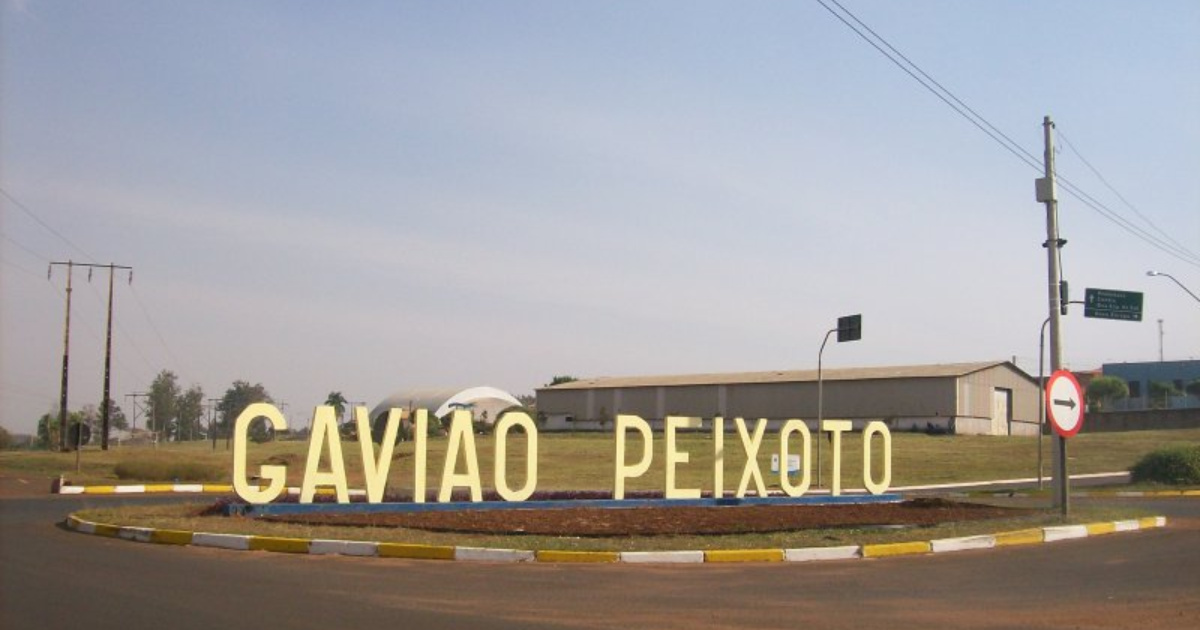
Gavião Peixoto, about 300 kilometers from the state capital, leads the national quality of life ranking according to the Social Progress Index (SPI) for 2025.
The municipality, with just over 4,700 residents, scored 73.26 points on a scale of zero to 100 and maintained the top position for the second consecutive year.
The score is based on 57 social and environmental indicators.
-
Brazil’s 2026 Tax Refund: Record 9.58 Million Filers in Largest Payout Ever, But a Key Detail on Priority Recipients Draws Nationwide Attention

-
Itaú Alters Hybrid Work Model, Increasing Office Days from 2028, Prompting Employees to Adjust to New Routine
-
Facing Labor Shortage, Japan Plans to Invest $34 Million to Attract Foreign Workers in Construction, Healthcare, Industry, and Commerce

-
Brazilian City Makes Remarkable Leap, Becomes 4th Wealthiest in the Country with GDP of R$ 134.1 Billion




In parallel, data from the 2022 IBGE Census confirm the highest average income in the state: 5.2 minimum wages per formal worker, surpassing São Paulo at 4.4 and Campinas at 3.8.
Considering the national minimum wage for 2025, this amount is equivalent to R$ 7,893.60 per month.
High-Tech Economy Drives Local Development
In addition to social performance, the economic base helps explain the numbers.
The presence of the Embraer industrial complex has transformed the city into a aerospace technology hub, attracting skilled professionals and sustaining a network of service and supplier companies spread throughout the region.
The multiplier effect is evident in the formal labor market and income levels.
As a national benchmark, the average for salaried workers in Brazil in 2022 was about 2.9 minimum wages, below what was seen in Gavião Peixoto.
Social Indicators Increase the City’s Score
The SPI synthesizes different dimensions of daily life, not limited to economic wealth.
The platform assesses concrete aspects of life in cities, from basic human needs to opportunities.
In other words, it looks at the availability of treated water and sanitation, housing conditions, safety, health, access to education and information, environmental quality, and guarantees of rights.
It is a metric that seeks to capture results experienced by the population, not just production indicators.
The Paulista municipality has made progress particularly in well-being variables that tend to uplift the average of small towns with efficient public services.
The availability of primary health care, sanitation coverage, and educational indicators at the basic stage form a favorable set.
Local stability, low demographic pressure, and the presence of a high-complexity industrial activity help sustain public policies and generate revenue compatible with the maintenance of services.

São Paulo Dominates the Social Progress Index Ranking
When looking at states, São Paulo dominates the top of the municipal ranking, with 14 of the top 20 positions of the SPI.
The concentration of Paulista cities among the best positions indicates patterns of infrastructure and services performing above the national average.
The average score for Brazil in 2025 was around 61.9 points, placing Gavião Peixoto significantly above the country.
Although the index does not capture all territorial nuances, the overall reading indicates that municipalities with higher incomes and consolidated service networks tend to appear higher on the list.
Average Income Reinforces the City’s Prominence
The average formal salary also reinforces local prominence.
According to IBGE, a formally employed worker in the municipality earns, on average, 5.2 minimum wages.
In 2025 figures, this income approaches eight thousand reais.
In comparison, more populous cities with diversified economies, like the state capital and Campinas, lag behind when this indicator is used.
The productive structure stimulated by the aerospace industry drives salaries up, whether due to demand for technical qualifications or the need for specialized services.
Embraer and Supplier Network Sustain Growth
The Embraer is the most visible industrial asset and serves as the anchor of a supplier ecosystem that includes maintenance, components, engineering, and logistics.
This set creates both direct and indirect jobs and increases the wage mass, impacting commerce and services.
Even without disclosing a consolidated and recent number of direct jobs at the local plant, the company maintains ongoing internship programs, professional selection, and engineering specialization, sustaining the perception of a constant demand for skilled labor.
The sectoral chaining effect helps explain why a small municipality stands out when comparing formal earnings within the state.
Small Size and Efficient Management Make a Difference
Another relevant clue is the scale.
In small towns, efficiency gains in essential services quickly reflect in the results of composite indicators like the SPI.
Local management also tends to be closer to territorial demands, which makes it easier to tackle specific bottlenecks.
Gavião Peixoto, for example, operates with low demographic density and available space for industrial and logistical activities while utilizing regional health and education structures.
This arrangement allows for a high-tech manufacturing park to coexist with an urban environment of lower pressure.
Quality of Life Goes Beyond Income
However, reading the ranking requires context.
The SPI measures quality of life based on social and environmental criteria and does not replace traditional economic metrics.
A city can have high income but lose positions if it fails in areas such as inclusion, rights, or the environment.
In 2025, the dimension of Opportunities received the lowest scores in Brazil, indicating that expanding access to higher education, ensuring freedoms, and combating inequalities remains a national challenge.
At the top, the dimension of Basic Human Needs performed better, signaling that sanitation, housing, and primary care made some advances, albeit unevenly.
National Reference in Quality of Life
The case of Gavião Peixoto illustrates the combination of a niche economic base and urban policies that respond to local scale.
While some municipalities struggle with deficits in sanitation, health, and safety, the Paulista city maintains strong indicators in these areas and adds a salary differential above the average.
Being rated as the best quality of life by the SPI is not the result of a single factor.
It results from a combination involving public services, income, and land-use planning, supported by an industrial chain that adds technology and skilled jobs.
Challenges and Outlooks for the Future
The regional situation reinforces the reading that quality of life is not an exclusive attribute of large metropolises.
São Paulo capital and Campinas fall behind Gavião Peixoto when the measure is average formal income, while the social index weighs areas where smaller municipalities can deliver more consistent results.
Nonetheless, capitals and medium-sized cities remain relevant when considering access to high-complexity services, economic diversification, and universities.
In any scenario, the comparison made by the SPI helps point out priorities and guide public policies.
Going forward, maintaining the performance requires continuous attention.
The expansion of the supplier chain, professional qualification aligned with industry needs, and the preservation of urban services will be crucial for sustaining the SPI metrics and income differentials.
Experience suggests that short-term gains can be lost without planning, especially in cities with economies concentrated in a single sector.
For now, the results position Gavião Peixoto as a reference for municipalities seeking to align economic development, functional public services, and high social indicators.
In your opinion, which component of the SPI weighs most heavily in defining the “best city to live in” in Brazil?








