





 Portuguese
  English
  Spanish
  4 min of reading
  12 comments


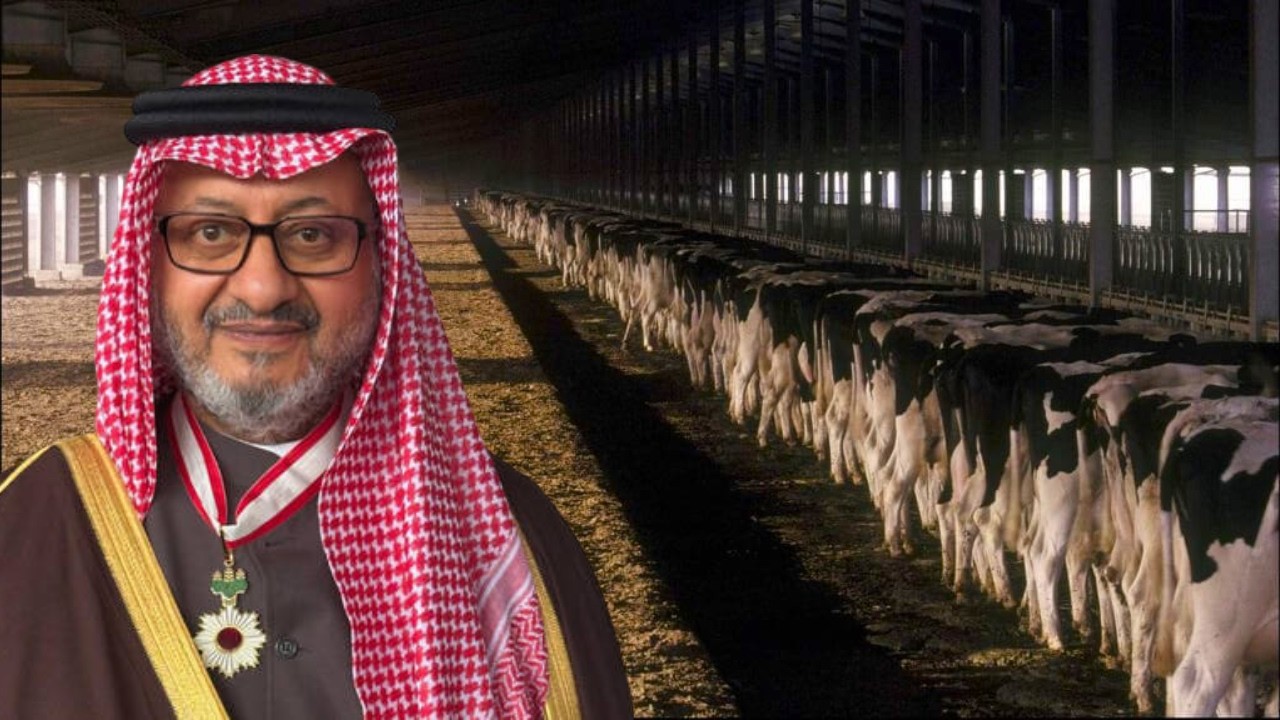


The Al Safi Dairy / Saudi Almarai Complex Brings Together More Than 200 Thousand Cows, Produces Millions of Liters of Milk Per Day and Functions as an Integrated Agro-Industrial City.
In the center of Saudi Arabia, far from traditionally fertile areas, operates an agro-industrial operation that completely breaks with the classic idea of a farm. The Al Safi Dairy / Saudi-Almarai Complex is not just a productive unit but an integrated system that operates as a true agricultural city, with its own infrastructure, internal services, factories, logistics, and centralized management.
The complex was born from the integration of the historic Al Safi Dairy and the expansion promoted by the Almarai Company, now the largest food company in the Middle East. The result was the creation of the largest integrated dairy farm on the planet, in an environment where conventional milk production would be considered unfeasible.
An Unprecedented Scale Herd in the History of Dairy Farming
The heart of the complex is its colossal herd. It is estimated that the system operates with more than 200 thousand dairy cows, all individually monitored by digital tracking systems, sanitary control, and nutritional management.
-
Fishing prohibited! Government announces end of trawling, sets deadline for boats to return, and raises alert about record limit of 5,216 tons of mullet in Brazil

-
At 94 years old, Seu Luiz still takes hold of the hoe, tends to the vineyards, and makes his own wine in the countryside, and he assures that staying idle indoors is precisely what tires him the most.
-
Will China ‘hit the brakes’ on soybean and meat purchases from Brazil? Understand the movement and learn what experts say after a projected cut of 23.5 million tons, despite the $50 billion annually generated by Brazilian agribusiness.
-
Scientists from Russia and Egypt have proven that the aquatic fern is capable of cleaning soils contaminated by heavy metals and even boosting rice cultivation, which yielded almost 64% more in tests.



Each animal has a real-time recorded health, production, and feeding history. Sensors track body temperature, feed intake, and reproductive cycles, allowing for quick and standardized decisions on an industrial scale. Few livestock operations in the world come close to this technological density applied to such a large herd.
Millions of Liters of Milk Produced Every Day
The direct consequence of this scale is a daily production that exceeds 3.5 million liters of milk per day, a volume sufficient to supply large metropolitan areas.

In annual terms, this represents more than 1.2 billion liters, turning the complex into one of the largest hubs of animal-based food production ever.
This milk does not leave the farm as raw material. It immediately proceeds to factories installed within the complex itself, where it is processed into UHT milk, dairy products, yogurts, and other high-value-added products.
Internal Infrastructure That Functions as a City
The Al Safi Dairy / Saudi-Almarai Complex was designed to operate autonomously. Within the operational area, there are own feed mills, veterinary centers, laboratories, water treatment stations, industrial refrigeration systems, and an internal logistics network that connects barns, factories, and distribution centers.
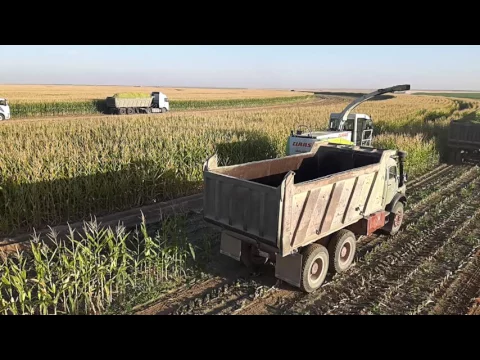
Trucks continuously circulate on internal routes, without needing to rely on external infrastructure for daily productive flow. The operation employs thousands of people and maintains internal services comparable to those of small municipalities, including housing, administrative areas, and permanent technical support.
Feed Production and Total Control of the Food Chain
To sustain a herd of this size, the complex consumes thousands of tons of feed per day. A significant portion of the inputs is imported, processed, and formulated within the system itself, ensuring nutritional standardization and production predictability.
This total control of the food chain reduces sanitary risks, improves productive efficiency, and allows for quick adjustments in response to climate, market, or global grain supply variations.
Technology to Produce Milk in Extreme Environments
Producing milk in a desert region requires strict climate control. Climate-controlled barns, evaporative ventilation systems, and artificial shading maintain the thermal comfort of the animals even under external temperatures that frequently exceed 45 °C.
The intensive use of technology transforms a naturally hostile environment into a highly controlled productive space, where variables such as heat, animal stress, and loss of productivity are mitigated by engineering and automation.
An Agro-Industrial Model That Redefines the Concept of Farm
More than just impressive numbers, the Al Safi Dairy / Saudi-Almarai Complex represents a structural change in how food production can be organized.
It combines industrial scale, complete vertical integration, and centralized management, coming closer to an industrial plant than to a traditional farm.
Few projects in the world demonstrate so clearly how modern agribusiness can operate at urban scale, with logistical efficiency, technological control, and continuous production.
The Largest Integrated Farm Ever Built
With more than 200 thousand cows, multimillion-dollar daily production, and an infrastructure that functions like its own city, the Al Safi Dairy / Saudi-Almarai Complex has entered history as the largest integrated farm in the world.
It symbolizes how far agro-industrial engineering can go when financial resources, technology, and strategic planning are pushed to the limit — and it also raises global debates about sustainability, water use, and the future of food production in extreme environments.





Um grande empreendimento que ajuda sustentar milhares famílias, e um descaso deste desgoverno importar leite, e fazer nossas produções sofrerem . Parabéns ao nossos produtores tenhamos fé.
O processo e admiravel 🙌🙌🙌💙
Vou me formar médico veterinário no 1 1° semestre de 2027. Queria trabalhar em uma fazenda dessas já tenho experiência de fazenda sei que aí vai ser algo sul real….