






 Portuguese
  Spanish


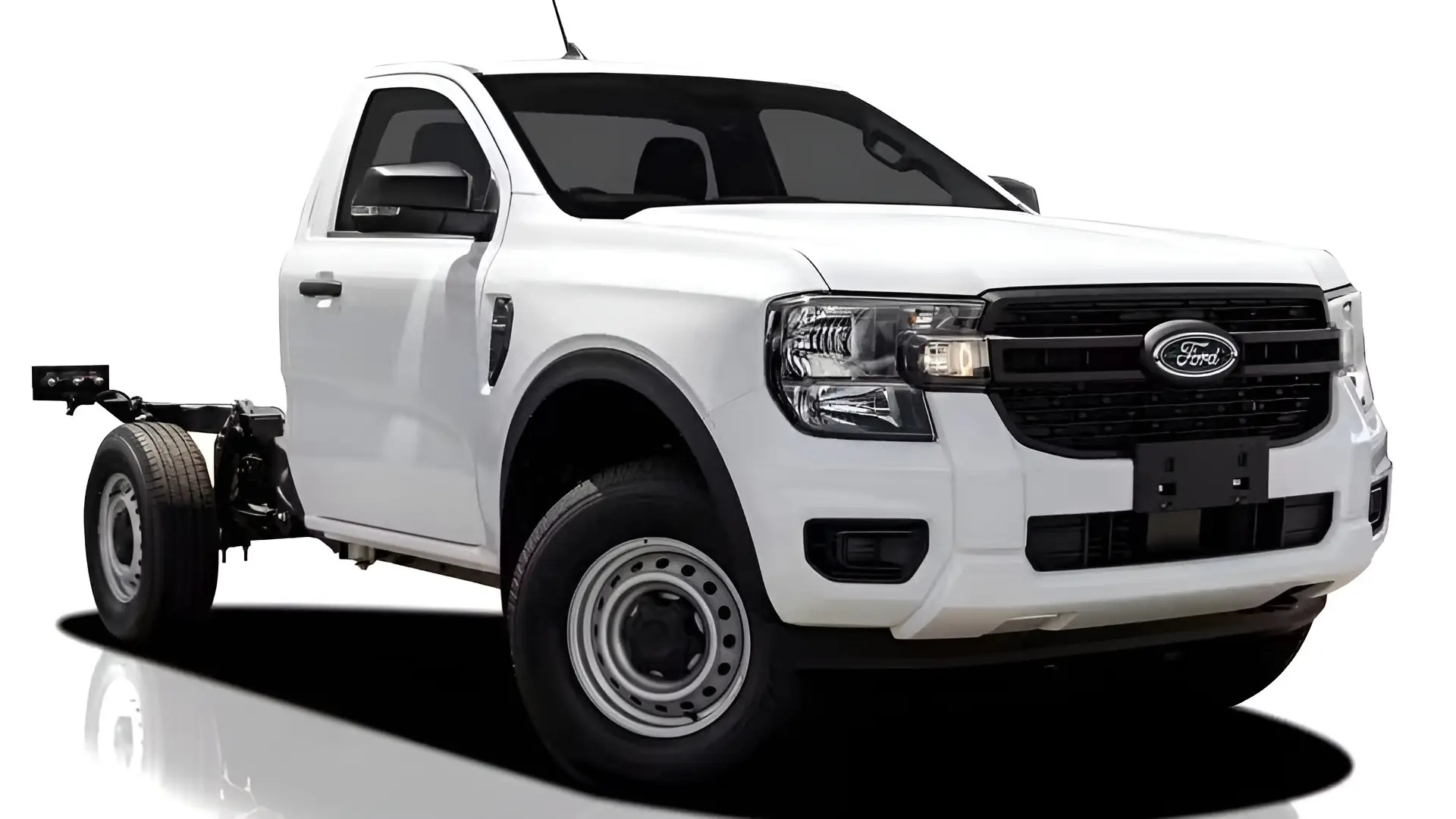


With 2.0 Turbo Diesel Engine and Reinforced Chassis, the Ford Ranger Regular Cab and Chassis 2026 Bets on Maximum Load, Robustness and a Total Focus on Heavy-Duty Work.
In an increasingly dominated market by sophisticated pickups aimed at personal use, Ford has decided to look again at the professional audience. The 2026 Regular Cab and Chassis Ranger emerges as a direct response to those who need load capacity, structural robustness, and predictable operational cost, not luxury.
These versions revive the concept of the workhorse pickup, designed for daily heavy-duty work, whether in agriculture, construction, or corporate fleets.
Ford Ranger Regular Cab and Chassis 2026 and the Return of the Professional Focus
Unlike the double cab versions, the Regular Cab and Chassis Ranger prioritizes open platform for implements, better use of the chassis, and lower overall weight. This setup favors applications like dry cargo bodies, boxes, platforms, winches, and special adaptations.
-
1983 Chevrolet Runs Over 100,000 km Without Gasoline, Powered by Wood Chips, Reaches 125 km/h in Airport Test

-
Workshop Converts Giant Tractor Tire Tricycle into a Three-Wheel Drive Hybrid with 36,000-Watt Electric Motor Capable of Climbing Hills

-
Sales of Brazil’s Cheapest Electric Car Halted Before First Deliveries: E-Motors Suspends Emova Easy Due to Import Tax Increase and Rising Freight Costs

-
Nissan Discontinues Qashqai SUV Amid Cost-Cutting, Chinese Competition, and Product Line Review



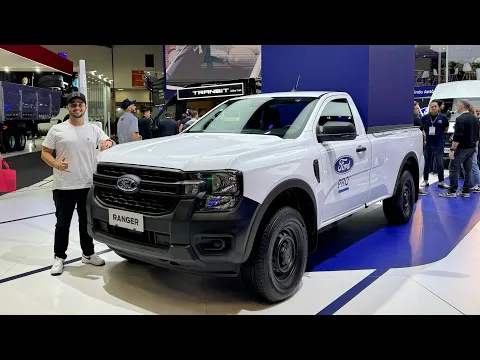

Ford positions these versions as work tools, aimed at those who demand mechanical resistance and ease of maintenance.
2.0 Turbo Diesel Engine and Torque Delivery for Load
The mechanical set is led by the 2.0 turbo diesel engine, known for its reliability and good balance between performance and efficiency. This engine delivers consistent torque at low revs, an essential characteristic for starts with full load and constant movement on uneven terrain.
More than absolute power numbers, the focus here is on durability and the ability to work under continuous strain, a typical scenario for professional use.
Reinforced Chassis and Increased Load Capacity
One of the main differentiators of the 2026 Regular Cab and Chassis Ranger is the reinforced chassis, developed to support high loads and intense use over thousands of kilometers.
The absence of a rear cab reduces structural weight, allowing for greater payload and better weight distribution over the axles, which is fundamental for stability and component lifespan.
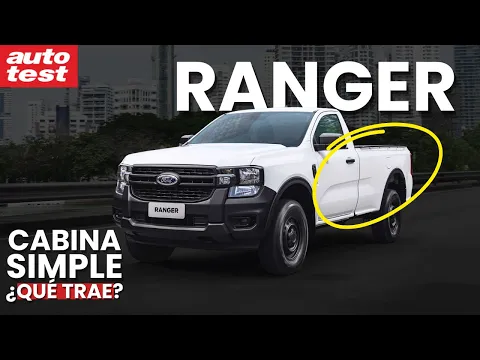
The Chassis version of the 2026 Ranger is particularly aimed at fleet operators and vehicle transformation companies. The model facilitates the installation of specific implements, serving sectors like urban logistics, agriculture, light mining, and public services.
This type of configuration allows for total customization, transforming the pickup into a vehicle tailored for different operations.
Traction and Suspension Aimed at Severe Use
Depending on the configuration, the Regular Cab and Chassis Ranger may feature rear-wheel drive or 4×4 drive, increasing versatility in rural areas or construction sites.
The suspension has been calibrated to support constant load, maintaining stability and control even with a fully loaded vehicle, without compromising component resistance.
Functional and Uncluttered Interior
The interior of these versions follows a clearly functional proposal. The focus is on ergonomics, durability, and ease of cleaning, without excessive decorative elements.
Even so, Ford maintains essential safety and connectivity features, ensuring that professional use does not mean sacrificing minimal comfort and adequate vehicle control.
Operational Cost and Predictable Maintenance
Another key point of the 2026 Regular Cab and Chassis Ranger is the controlled operational cost. The 2.0 turbo diesel engine, combined with a well-known mechanical design, facilitates maintenance and parts replacement, something essential for fleets.

This setup reduces downtime and lowers the cost per kilometer driven, a crucial factor for companies and independent professionals.
The 2026 Regular Cab and Chassis Ranger marks the return of a pickup designed for those who truly depend on the vehicle for work. With a 2.0 turbo diesel engine, reinforced chassis, and focus on maximum load, it positions itself as one of the most rational options for professional use in the medium pickup segment.
In an increasingly comfort and lifestyle-driven landscape, the Ranger revives the role of the pickup as a work tool, catering to an audience that demands resilience, versatility, and reliability above all.









Porque a Ford não lança uma com cabine estendida, como na Argentina.
A Toyota já lançou a CS automática, ela custa R$8mil mais cara que a manual.
A Toyota já lançou a CS automática, ela custa R$8mil.