Portuguese
  Spanish


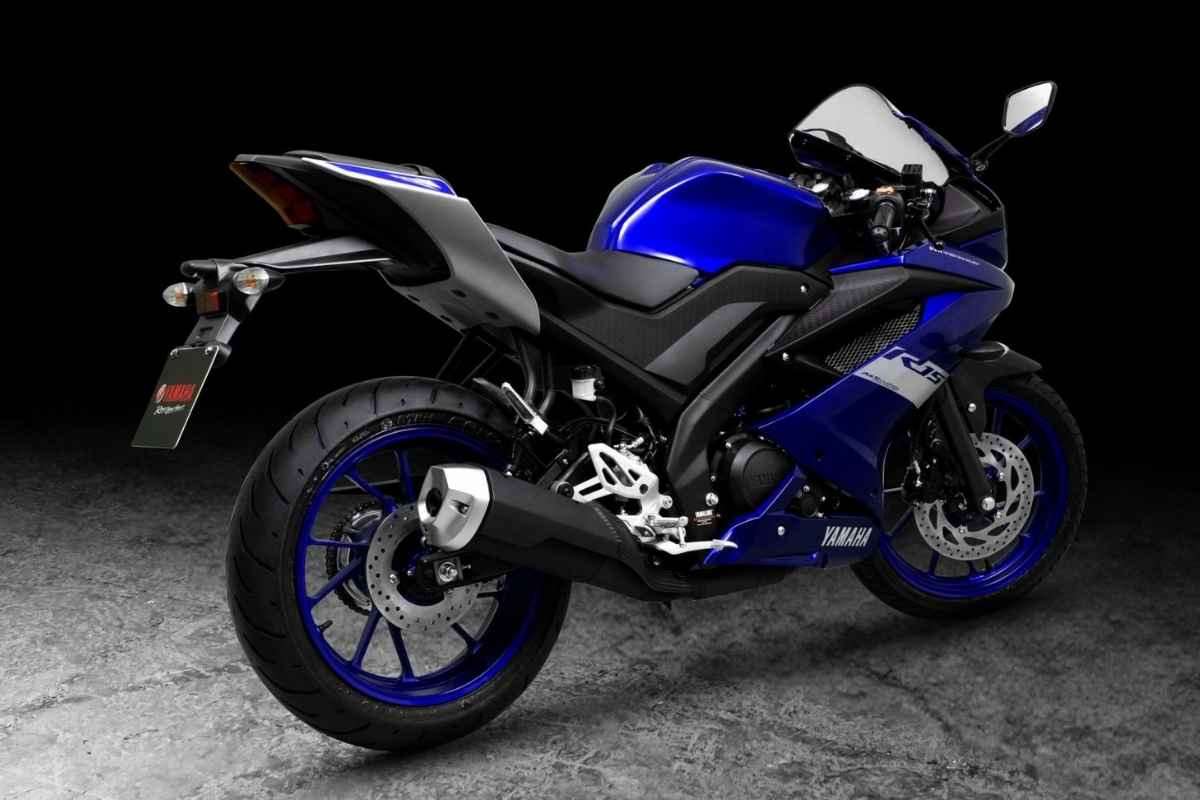


The Yamaha YZF R15 2024 Has Arrived in Brazil With an 18.8-Horsepower Engine, Variable Valve Technology, and an Aggressive Look, Becoming a Sales Phenomenon and Object of Desire in the Low-Cylinder Segment.
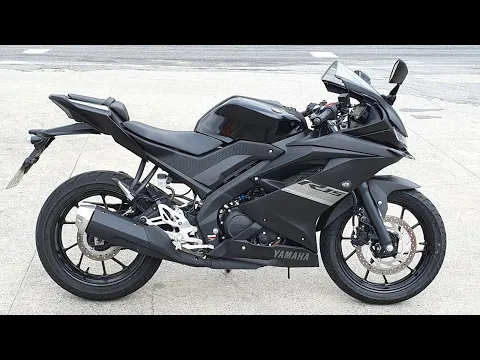
The Yamaha YZF R15 2024 was undoubtedly one of the most anticipated and talked-about launches in the motorcycle market in Brazil. With a design that deceives and makes it look like a larger displacement bike, it brought to the 150cc segment a performance and technology package that was previously unheard of, winning a legion of fans.
According to a complete evaluation of the model, the motorcycle stands out for its agility and its “smart” engine. The analysis reveals the strengths that made it a success but also the details that were missing in this generation that arrived in the country.
The Arrival in Brazil: The Launch at the Interlagos Festival in 2023
The Yamaha YZF R15 2024 was officially launched in Brazil in June 2023, during the Interlagos Festival event. The model that landed here is, in fact, the third global generation of the R15 (known as V3.0), which has existed abroad since 2017.
-
Sales of Brazil’s Cheapest Electric Car Halted Before First Deliveries: E-Motors Suspends Emova Easy Due to Import Tax Increase and Rising Freight Costs

-
Nissan Discontinues Qashqai SUV Amid Cost-Cutting, Chinese Competition, and Product Line Review

-
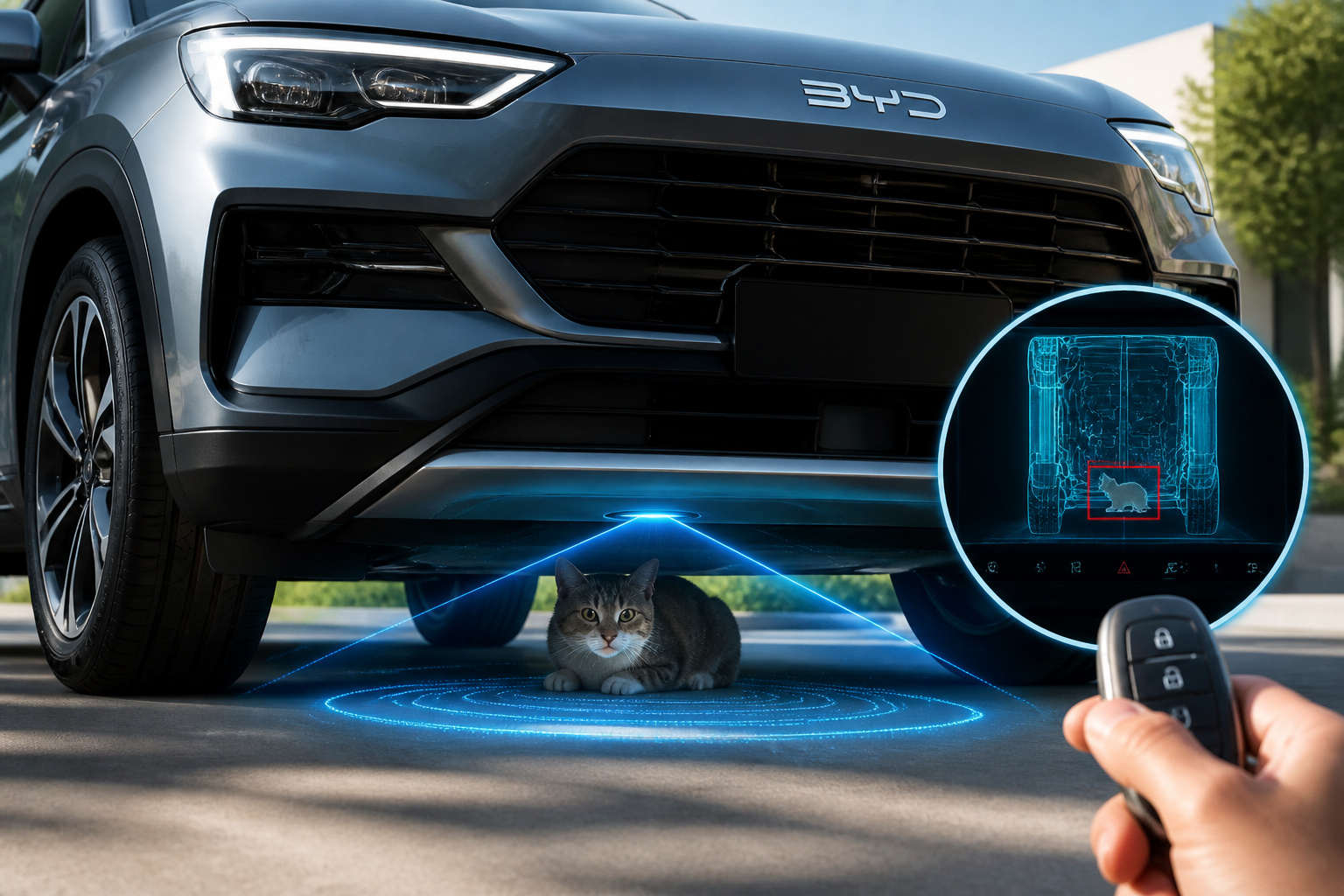
BYD Patents Revolutionary System Using Computer Vision to Detect Animals Under Cars Before Starting, Preventing Tragedies

-
Study Reveals Why Cars Are More Expensive to Produce and Buy in Brazil Compared to Mexico, Highlighting Taxes, Logistics, and Industrial Costs as Key Factors.


The bike arrived in the Brazilian market already as a 2024 model, available in three colors: metallic black (Midnight Black), metallic blue (Racing Blue), and matte silver (Matt Silver), with yellow wheels.
The Heart of the R15: The 155cc Engine With VVA Technology
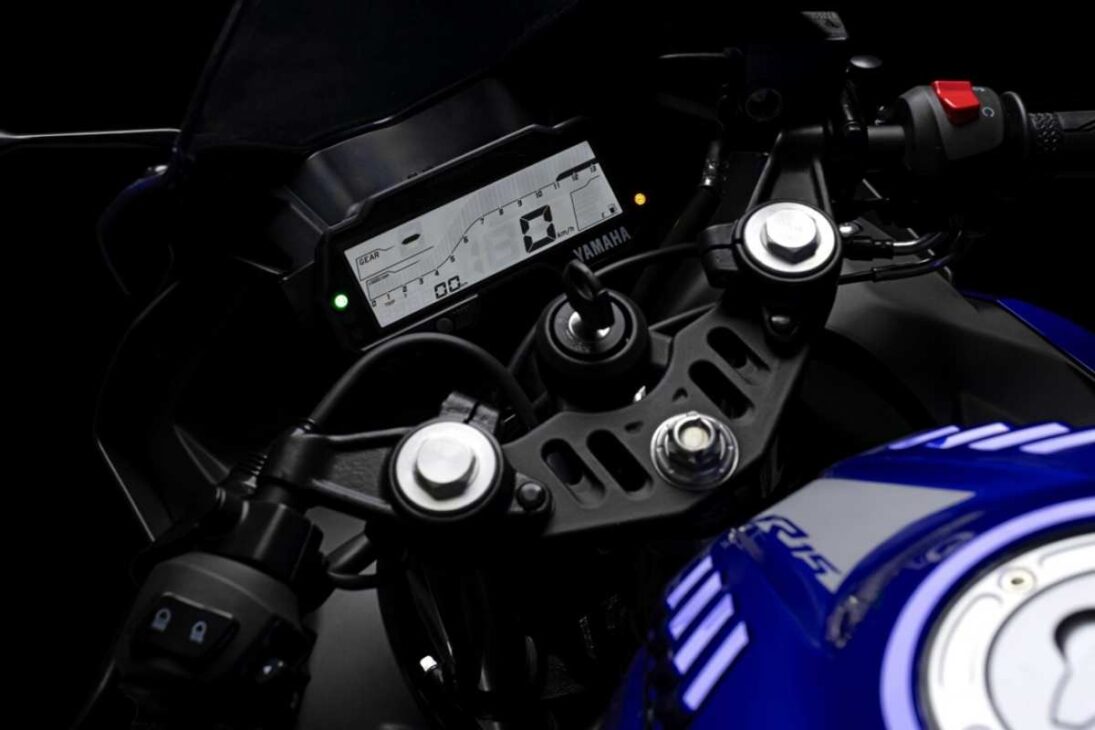
The main highlight of the Yamaha YZF R15 2024 is its engine. It is a single-cylinder 155.1 cc engine, with liquid cooling and four valves, delivering 18.8 horsepower and 1.5 kgf.m of torque.
The secret to its performance is the VVA (Variable Valve Actuation) system, which adjusts the opening timing of the valves according to the engine RPM, ensuring more torque at low RPM and more power at high RPM. The setup works with a six-speed transmission.
What Comes Standard? The Equipment Package of the Small Sportbike
The R15 comes with an equipment package worthy of larger motorcycles. Its chassis is Yamaha’s renowned Deltabox, which ensures excellent handling and agility in curves.
The bike also comes standard with a slipper and assist clutch, which prevents the rear wheel from locking during sudden downshifts and makes the lever lighter. The lighting features LED headlights and taillights, and the dashboard is 100% digital, with an LCD screen and shift light (light indicating when to shift gears).
Performance in Practice: Fuel Consumption and Top Speed
The Yamaha YZF R15 2024 is a bike that goes well and consumes little. According to the test, fuel consumption is one of its strong points:
- Aggressive Riding: Fuel consumption ranges between 25 and 28 km/l.
- Normal Riding: In a more relaxed riding style, the bike can exceed 40 km/l, reaching up to 43 km/l.
The top speed, in turn, is electronically limited on the dashboard at 157 km/h, an impressive number for a 155cc motorcycle.
The Price of the Yamaha YZF R15 2024 and the Points That Were Missing

The price is an important point in the purchase decision. The price suggested by Yamaha is R$ 20,590 (excluding shipping). However, according to the test, the price practiced at dealerships can reach R$ 23,500.
Despite receiving a lot of praise, the evaluation pointed out some missing points in the Brazilian model. The bike does not come with a USB socket, hazard lights, and the dashboard, although complete, does not have a stopwatch, a common feature in sportbikes. The lack of a sensor on the side stand was also cited as a negative safety point.