






 Portuguese
  Spanish


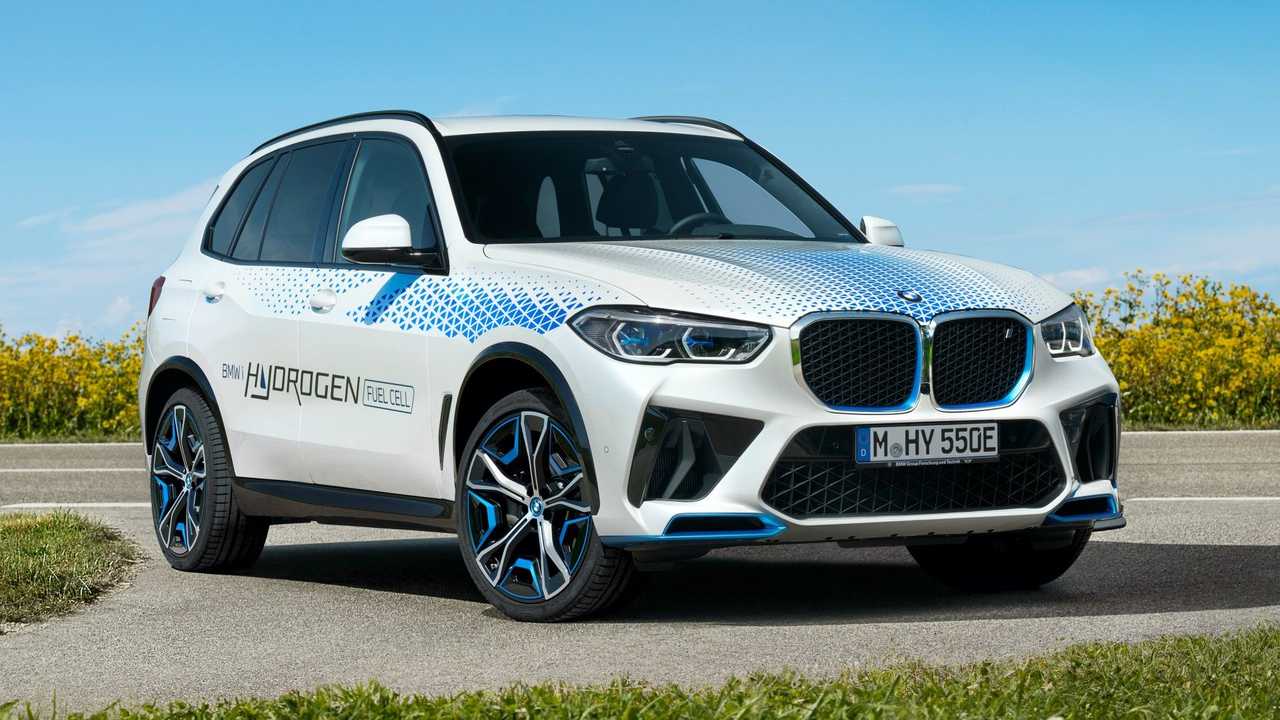
BMW Is Testing Its New Hydrogen-Powered Car in Extreme Conditions in Sweden. The BMW iX5, Which Doesn’t Use Gasoline for Movement, Features a 374-Horsepower Engine
After being unveiled in September at the Munich Auto Show, the BMW iX5 Hydrogen was tested in the Arctic Circle, in Arjeplog, Sweden, a place where various BMW tests have already taken place. According to the automaker, its new hydrogen-powered car is undergoing several tests in extreme weather conditions, aimed at being an alternative to gasoline. This involves validation tests for the fuel cell system, battery, hydrogen tanks, functional tests, and central control unit for vehicles.
Also Read
- Cummins Announces Investment in the Market for Hydrogen-Powered Car Stations in Brazil
- Low-Cost Hydrogen Car Goes 400 km on a Single Tank
- Prototype of the First Car Made of Niobium and Powered by Hydrogen Will Be Launched in 2023 for the Extreme H Championship
- Multinational Toyota Believes Hydrogen Cars Could “Kill” the Gasoline Market
- New Catalyst, Capable of Extracting Hydrogen More Efficiently, Could Accelerate the Arrival of Hydrogen Cars in the Global Automotive Industry
BMW Addresses Hydrogen Car Testing
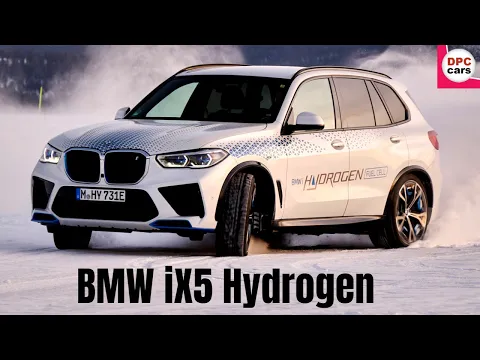

The automaker’s mission is to produce a small series of the BMW iX5 by the end of this year, and it also plans to contribute to the expansion of the hydrogen fueling station network as an alternative to gasoline.
According to BMW AG Board Member Frank Weber, winter testing in extreme weather conditions clearly shows that the BMW iX5 can also provide full performance at temperatures down to -20° C and thus represents a viable alternative to a battery electric drive vehicle.
-
Volkswagen to Cut Production by 1 Million Cars by 2030, Reducing Jobs and Platforms, Focusing on More Profitable Models

-
Toyota Launches First 100% Electric Car in Brazil: bZ4X with 343 HP, All-Wheel Drive, 361 km Range, Priced at $419,990 BRL, Limited to 99 Units

-
Chinese SUV Achieves 24.4 km/l, Outperforms Toyota Yaris Cross in Real-World Tests with 224 hp Hybrid System, Offers 51-Liter Tank for Greater Range, and Costs Up to R$ 5,000 Less.
-
Uber Black Revamps Fleet, Drops Ten Car Models and Sets Deadline for Electric BYD Dolphin


Weber states that, in order to offer customers a hydrogen-powered car as a sustainable and attractive mobility solution, a sufficiently extensive infrastructure for the fuel, which will replace gasoline, must also be made available.
BMW’s Hydrogen Car Features 374 Horsepower
The BMW iX5 features a propulsion system that uses hydrogen as fuel, converting it into electricity and generating an electric power output of 170 horsepower. Unlike gasoline, which generates polluting gases, the hydrogen-powered car produces only water vapor with zero CO2 emissions. The engine of the BMW iX5 acts as a generator during braking and deceleration phases, charging the battery.
The battery’s energy is also released during sportier driving, providing a total power output of 374 horsepower. The hydrogen-powered car stores fuel in two carbon fiber tanks, which together hold up to six kilograms of gas and take about 4 minutes to be completely filled.
Heavy snow and ice-covered surfaces at the test site presented challenges for tuning electronic control systems, suspension, all-wheel drive, and steering, not to mention the resilience of the battery and engine components in low-temperature environments.
Yamaha Develops Hydrogen V8 Engine
Yamaha, a well-known brand for producing engines for the automotive sector, is staying strong in futuristic engineering and has launched the first Hydrogen-Powered V8 Engine.
With fuel emerging as a way to avoid gasoline use, Yamaha modified its V8 engine to make this possible. The Japanese company used the LC500 and LC-F as a base for the new engine, resulting in a powertrain capable of delivering 55.1 kgfm of torque and 455.5 horsepower.


Be the first to react!