






 Portuguese
  Spanish


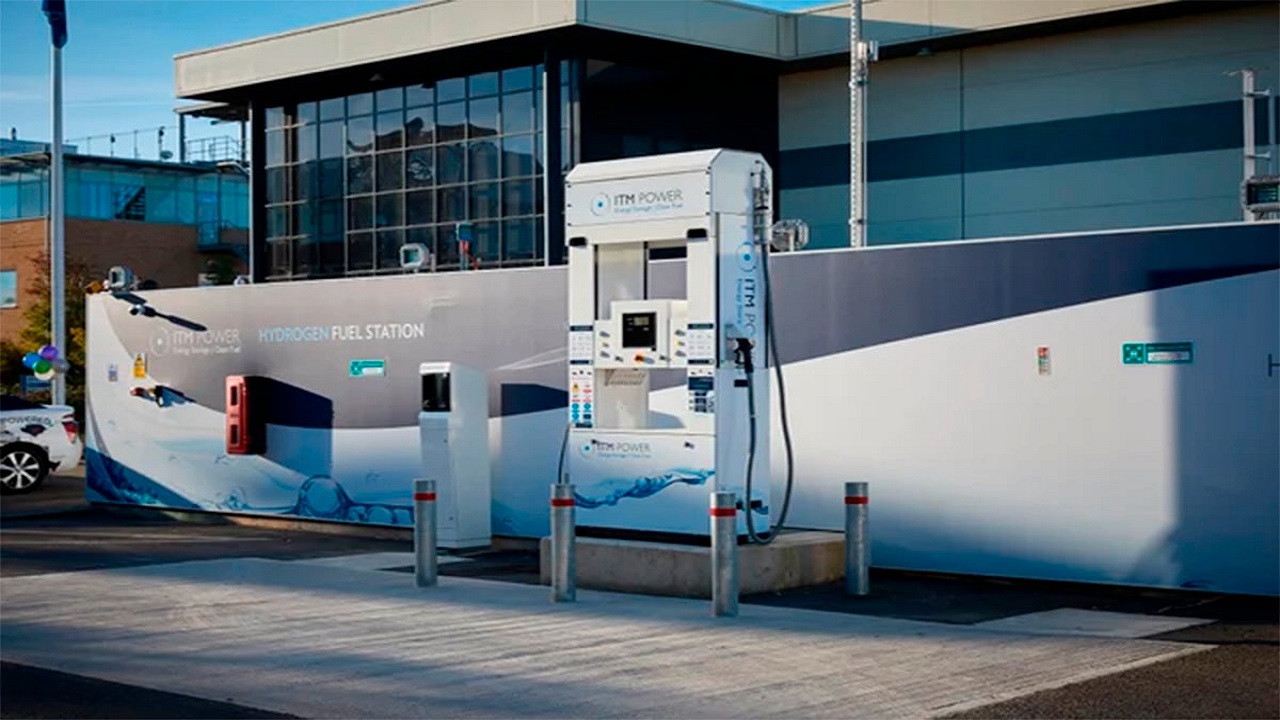
Cummins is Demonstrating Increasing Interest in the Hydrogen Market. The Company Acquired Canadian Hydrogenics, Announced the Acquisition of Nprox, and Now Announces Investment in Hydrogen Car Fueling Stations in the Country
This week, Cummins is celebrating its 50th anniversary in Brazil and took the opportunity to announce the creation of a new business division. Known as New Power, the company’s investment will be responsible for initiating the energy transition to more sustainable sources, including electrification and hydrogen fuel cells. Cummins’ new unit joins the other four in its portfolio: Components (filters, aftertreatment, turbos), Engines, Distribution, and Power Generation.
Read Other Related News
Hydrogen, Diesel, Gas, and Electric Motors Will Be Essential for Zero Emissions
According to Adriano Rishi, President of Cummins Brazil, in this strategy, energy diversification, including an initial energy portfolio with electric motors, fuel cells, gas and diesel propellants, and mainly hydrogen, will be fundamental for decarbonization in the country. The company has a strategic vision where emission reductions will be made gradually.
-
Volkswagen to Cut Production by 1 Million Cars by 2030, Reducing Jobs and Platforms, Focusing on More Profitable Models

-
Toyota Launches First 100% Electric Car in Brazil: bZ4X with 343 HP, All-Wheel Drive, 361 km Range, Priced at $419,990 BRL, Limited to 99 Units

-
Chinese SUV Achieves 24.4 km/l, Outperforms Toyota Yaris Cross in Real-World Tests with 224 hp Hybrid System, Offers 51-Liter Tank for Greater Range, and Costs Up to R$ 5,000 Less.
-
Uber Black Revamps Fleet, Drops Ten Car Models and Sets Deadline for Electric BYD Dolphin


Diesel will still be more predominant in the market throughout the decade, with technology becoming increasingly efficient and sustainable. For Maurício Rossi, the Sales and New Power Director, gas and electric motors will gradually gain presence due to greater demand in specific sectors, such as the sugar-alcohol sector and waste collection.
Automakers are investing to have various engine options in their catalogs in Brazil, and Cummins is already offering several electric propulsion solutions for buses and trucks up to 26 tons. The company’s main electrification package consists of a set of batteries, control systems, and traction motors that can be combined depending on customer choice.
Electric Models Will Be a Bridge to Hydrogen and Fuel Cells
Regarding alternatives to diesel, electric models are already a near reality, but the future lies in fuel cells, say company experts. In the company’s most recent studies, electric models will serve as a bridge for the use of hydrogen and fuel cells.
According to Cummins, these vehicles will enable the reduction of particulates and all current pollution. “If we think in five to seven years, investments in models using fuel cells may surpass those in electric models, causing the current scenario to be reversed,” highlighted a company researcher.
Cummins Invests in Hydrogen in the Brazilian Market and Brings New Line of Fuel Cell Modules to the Country
With the acquisition of Hydrogenics in Canada, Cummins demonstrates that greater investments are on the way using hydrogen as a propulsion source for vehicles that utilize fuel cells.
To this end, it has brought a new line of fuel cell modules to the national market, offering multiple possibilities that can be combined for better adaptation to the customer’s project. From the company’s perspective, the most economical scenario is for the carrier to come with an electrolyzer producing its own fuel and using it in its fleet of vehicles.
Recently, the company also announced the acquisition of Nprox, a company that manufactures tanks for hydrogen storage. With this, the company now offers a complete package solution for the fuel.







Be the first to react!