






 Portuguese
  Spanish


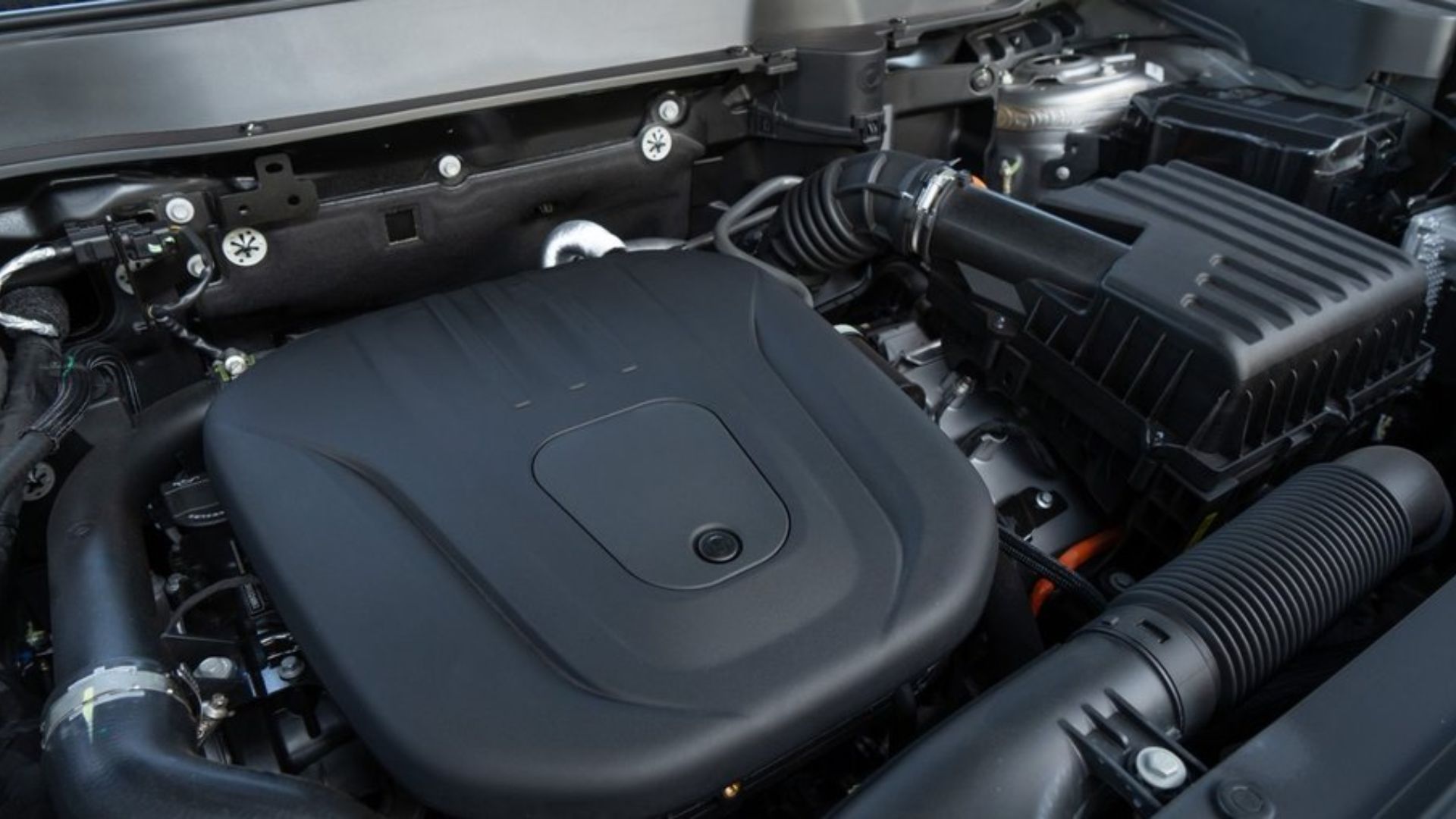

GWM Advances in National Electrification with Global Flex Hybrid Engine, Expanded Range, and Completely Revised Mechanical Set to Debut in the Second Half of 2026
The Brazilian hybrid car market continues to expand rapidly, and as new technologies arrive in the country, automakers compete to offer greater energy efficiency, enhanced performance, and reduced emissions. In this scenario, GWM is advancing strongly by preparing to debut a global flex hybrid engine in the second half of 2026, along with introducing significant updates to the mechanical set of the 2026 Haval H6. According to information released by AutoEsporte and confirmed by CNN Brasil, the new engine is in the final homologation phase and is expected to be a decisive step for the brand in Brazil.
As part of the process, GWM emphasizes that this flex hybrid engine was developed in collaboration with Bosch in Brazilian territory but will have production concentrated in China, demonstrating the brand’s global strategy to expand the adoption of electrified technologies in different markets. Furthermore, the company highlighted that while combustion vehicles require a homologation period of six to nine months, electrified models take only three months to complete the same process — a factor that accelerates the entry of the new H6 into the national market.
Environmental Tests and Accelerated Homologation Show GWM’s Urgency in Launching the New Flex Hybrid Engine in Brazil
The homologation phase is rigorous and determines which models are eligible to circulate in the country. First, the vehicle undergoes a pre-test in certified laboratories, generating data on emissions and energy efficiency submitted to the government. Only after that does the official test take place, witnessed by representatives from Ibama. As reported by specialized media, flex vehicles must have their tests repeated with three different fuels: gasoline, ethanol, and the gasoline-ethanol mix, in addition to sound emissions tests.
-
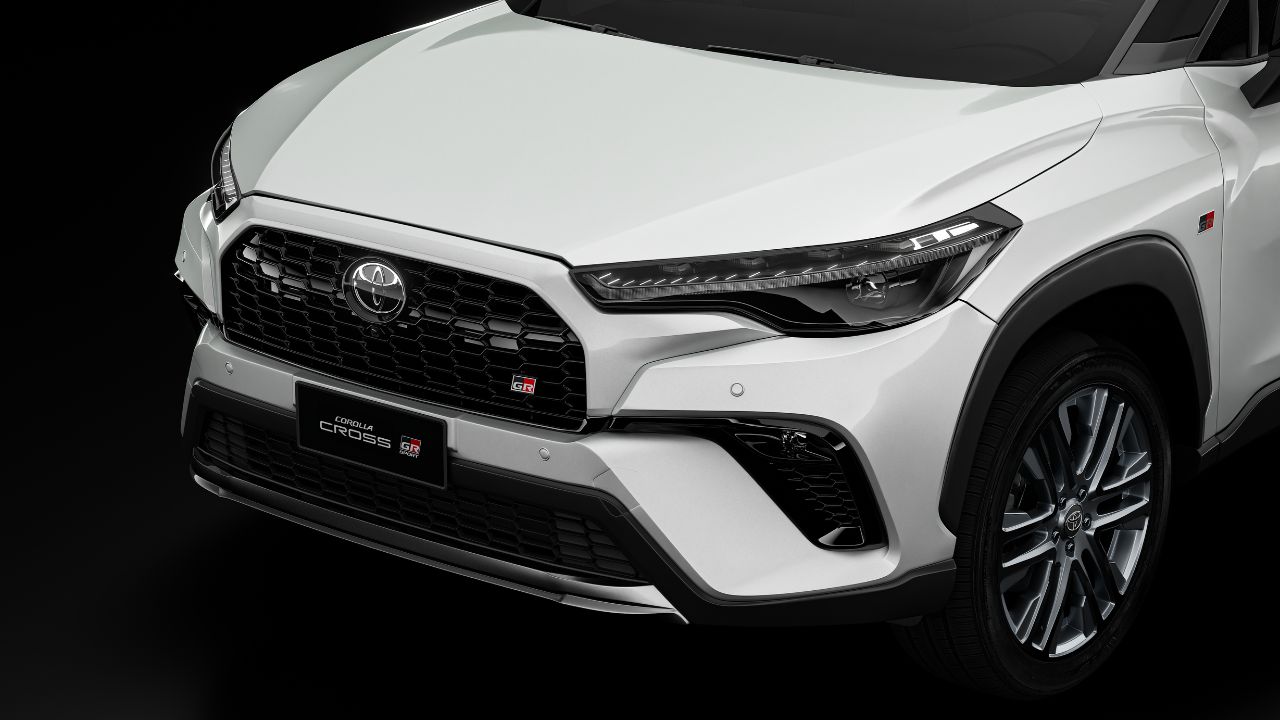
2027 Toyota Corolla Cross Unveiled: New Design, Enhanced Fuel Efficiency, Reduced Maintenance Costs, Advanced Technology, Connected Services, and Up to 10-Year Warranty

-
Fiat Cronos Precision 2018: Affordable Sedan with Spacious Trunk and Reliable Maintenance
-
Volkswagen to Cut Production by 1 Million Cars by 2030, Reducing Jobs and Platforms, Focusing on More Profitable Models

-
Toyota Launches First 100% Electric Car in Brazil: bZ4X with 343 HP, All-Wheel Drive, 361 km Range, Priced at $419,990 BRL, Limited to 99 Units



Shortly after, the RDE (Real Driving Emissions) tests come into play, conducted on standardized routes in real streets, with ascents, urban and highway stretches in exact proportions. Only after completing this phase does the model receive the LCVM, a document issued by Ibama certifying compliance with noise and emissions standards. Next, the automaker presents safety certificates — such as crash tests, pedestrian impact, seatbelt systems, and anchoring — concluding the process with the CAT, issued by Senatran, which allows the sale of the vehicle in Brazil.
According to the report, GWM’s flex hybrid powertrain is precisely in this final stage, reinforcing that the debut in 2026 is confirmed and imminent.
New Updated Hybrid Engine and Mechanical Improvements Highlight the Evolution of the 2026 Haval H6 in Efficiency, Range, and Comfort

Although the flex hybrid engine is not yet equipped on the model, the 2026 Haval H6 has already received significant updates in its powertrain. The engine gained water-cooled intercooler, variable oil pump, and electronic water pump, solutions that enhance its thermal efficiency, operational stability, and temperature control — essential for achieving greater performance and lower fuel consumption.
However, one of the most striking aspects is the official consumption and range figures of the H6 2026, released according to Inmetro results:
Consumption and Range of the Haval H6 2026
- H6 HEV2 (Conventional Hybrid)
• City: 14.7 km/l
• Highway: 11.4 km/l - H6 PHEV19 (Plug-in Hybrid)
• Electric Range: 73 km - H6 PHEV35 and GT (Plug-in Hybrid)
• Electric Range: 119 km
With these numbers, the H6 2026 positions itself among the most efficient hybrids in the country. In addition, its platform has undergone a complete overhaul in the suspension, with recalibrated shock absorbers, new mechanical stops, and increased capacity to filter irregularities, ensuring more comfort over bumps, potholes, and poorly maintained streets — one of the most criticized points by owners in previous versions.
Overall, the updates reinforce that GWM is preparing for a strategic leap in the electrified segment, prioritizing national technology, reduced consumption, and a range that surpasses direct competitors.







2nd row seats should be reclined to the maximum to almost flat level. Road clearance should not be less than 8 inch.