Portuguese
  Spanish



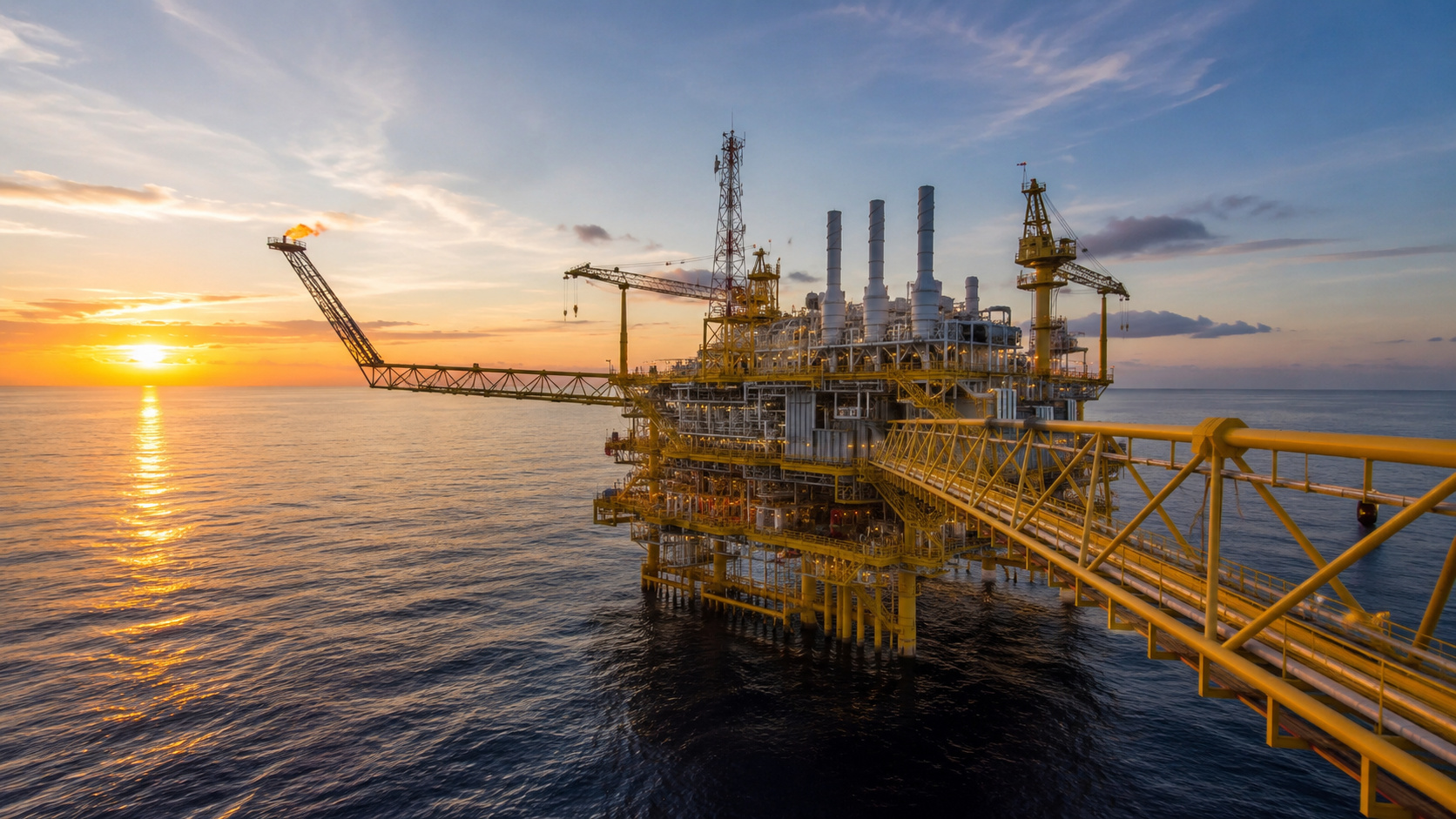
Petrobras Will Lose Its Exclusivity at Pier 2 of the Pecém Port Already in 2023 and, with the Deadline Approaching, BP and Shell Start the Race to Install a New Natural Gas Terminal in the Ceará Complex.
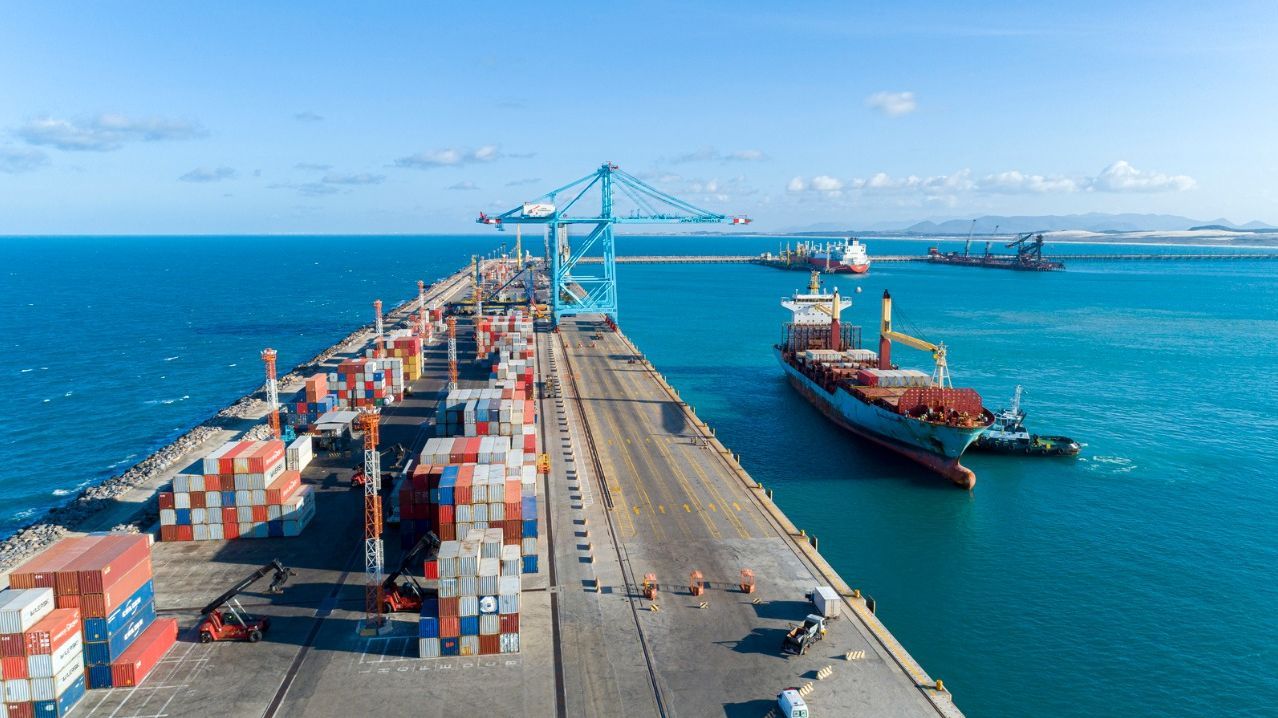
With Petrobras’ exclusivity contract at Pier 2 of the Pecém Port, located in the state of Ceará, nearing its end, oil and gas companies BP and Shell are in a race for new business at the site this Saturday, (06/25). This is because the companies have plans for the installation of a new natural gas terminal in the Ceará complex and are now seeking the necessary agreements to proceed with the venture.
New Natural Gas Terminal May Be Installed at Pecém Port After Petrobras’ Exclusivity Ends and BP and Shell Race for the Business
Pecém Port, in the state of Ceará, is currently one of the most sought after by oil and gas companies for the development of natural gas production projects due to its quality infrastructure for the sector.
As the end of Petrobras’ exclusivity at Pier 2 of the complex approaches in 2023, companies in the sector are starting the race to secure contracts with the port for gas projects.
-
France Revamps 530 Social Housing Units with Large Balconies and Glass Facades Without Demolishing Existing Buildings

-
10-Year-Old Max Makes History with Paris Fashion Show, Launches Own Brand, Hires Staff, and Sets World Record as Youngest Runway Designer

-
Bolivian Female Construction Workers Form Association to Combat Discrimination and 38% Pay Gap in the Industry
-
Near Amsterdam, residents buy land and discover they must also build streets, manage drainage, handle waste, and grow food on half their plot.




Thus, the main contenders are currently BP and Shell, which are in a battle to reach an agreement with Pecém Port for the installation of a new natural gas terminal at the site. Both companies have stakes in the complex, as Shell currently has a contract guaranteeing the supply of LNG to the 1.6 GW thermoelectric plant that is part of the Portocem consortium. BP signed a memorandum of understanding with the Ceará government at the beginning of 2022 for the installation of a gas hub at Pecém Port.
In this way, both companies are trying to obtain approval for the new natural gas terminal projects, as there is no need for a bidding process and the projects are negotiated bilaterally with the port complex. Thus, the president of CIPP, Danilo Serpa, commented on Pecém Port’s production potential and said, “The enterprise that shows viability, we will have conditions to house in our port terminal, in the most effective and efficient way possible.”
Demand for Natural Gas in Brazil Grows as Companies Seek to Take Advantage of Current Scenario with the Installation of the New Production Terminal at Pecém Port
BP and Shell are currently in a race for the installation of the new natural gas terminal at Pecém Port not only due to the current market in the country but mainly because of growth expectations in the sector over the coming years.
This is because the gas sector in Brazil and worldwide has strong growth projections in demand over the coming years, mainly due to the energy transition and new alternatives to fuels.
Thus, Shell is negotiating with Cegás (CE) for the supply of gas to the state-owned utility and is not limited to the gas supply contract with Portocem currently. BP has a closed supply agreement with Positiva Energia do Pecém S.A. and the company intends to register three plants, totaling 2.2 GW in the port complex, further expanding the segment in the fuel market in Brazil.
Finally, with the end of Petrobras’ exclusivity contract at Pecém Port approaching, the port authority does not seem interested in renewing the state-owned company’s presence in the complex and should now focus on contracts with other companies in the sector, such as Shell and BP, as a way to diversify internal supply and reduce dependence on the oil company.