






 Portuguese
  Spanish


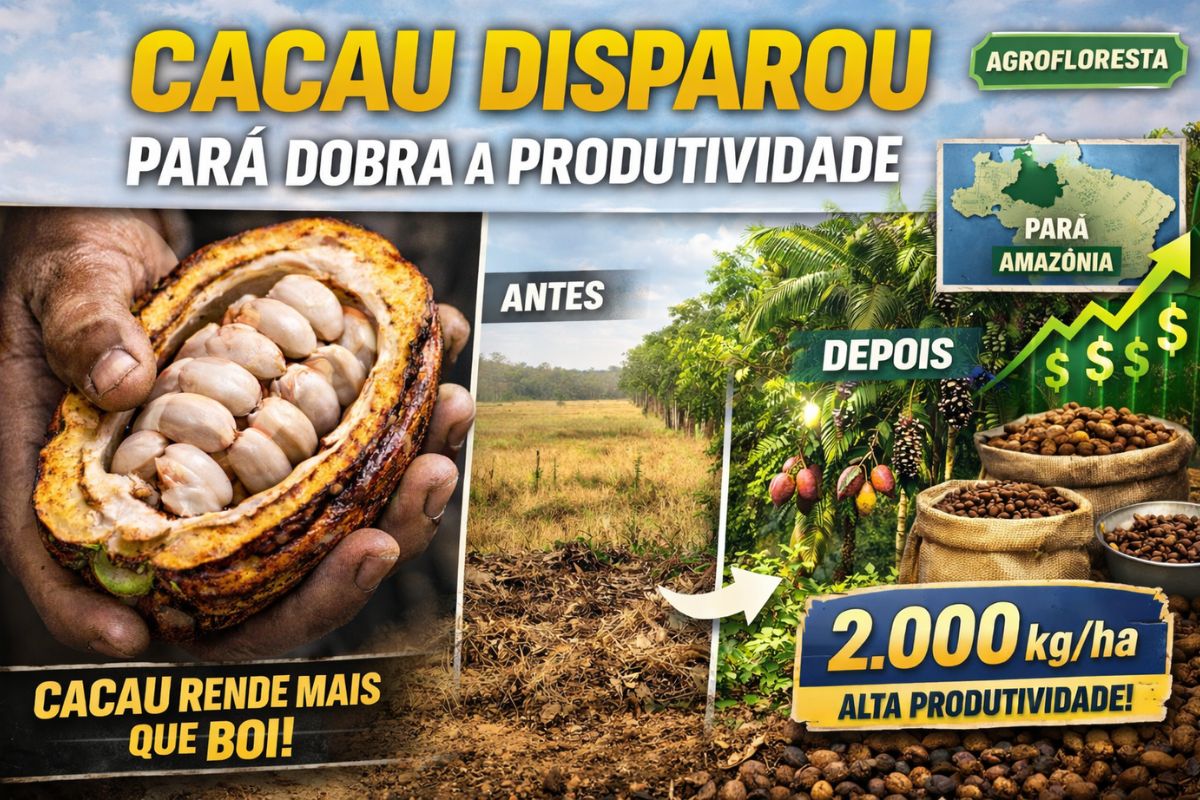


With Prices Shooting Up Over 300% In The International Market, Pará Cocoa Gains Strength In Agroforestry Systems, Boosts Productivity, And Pulls Income For Family Agriculture With More Added Value In The Field
With prices skyrocketing, Pará cocoa has become a priority for thousands of producers who now see in agroforestry a concrete way to earn more without opening new areas. What was once tired pasture or fragile monoculture now appears as a productive forest, with cocoa interspersed with açaí, fruit trees, and native species.
This progress is happening in a state that already leads national production, with crops associated with agroforestry systems and the work of small producers. The math works when productivity, quality, and the domestic market meet, creating space for premium chocolate that originates in the Amazon and reaches the shelves with history and traceability.
Pará At The Center Of Brazilian Cocoa

Pará concentrates production in Amazonian municipalities where cocoa runs alongside agroforestry and family agriculture.
-
India’s Sugar Export Cuts and Ethanol Shift Amid El Niño Threat Could Impact Global Prices and Stocks

-
Quarantine Pest Threatening Palm Trees Puts Brazilian Authorities on Alert, Prompts Monitoring at University of Taubaté and Potential Control Measures Across São Paulo
-
Global Alert: Report Finds 159 Pesticides in Coffee Beans Sold in Europe, Posing Serious Risks to Millions of Farm Workers
-
Low-Demand Brazilian Beef Offal Gains Popularity Abroad: Indonesia Purchases $19.5 Million, Boosting Revenue and Reducing Waste

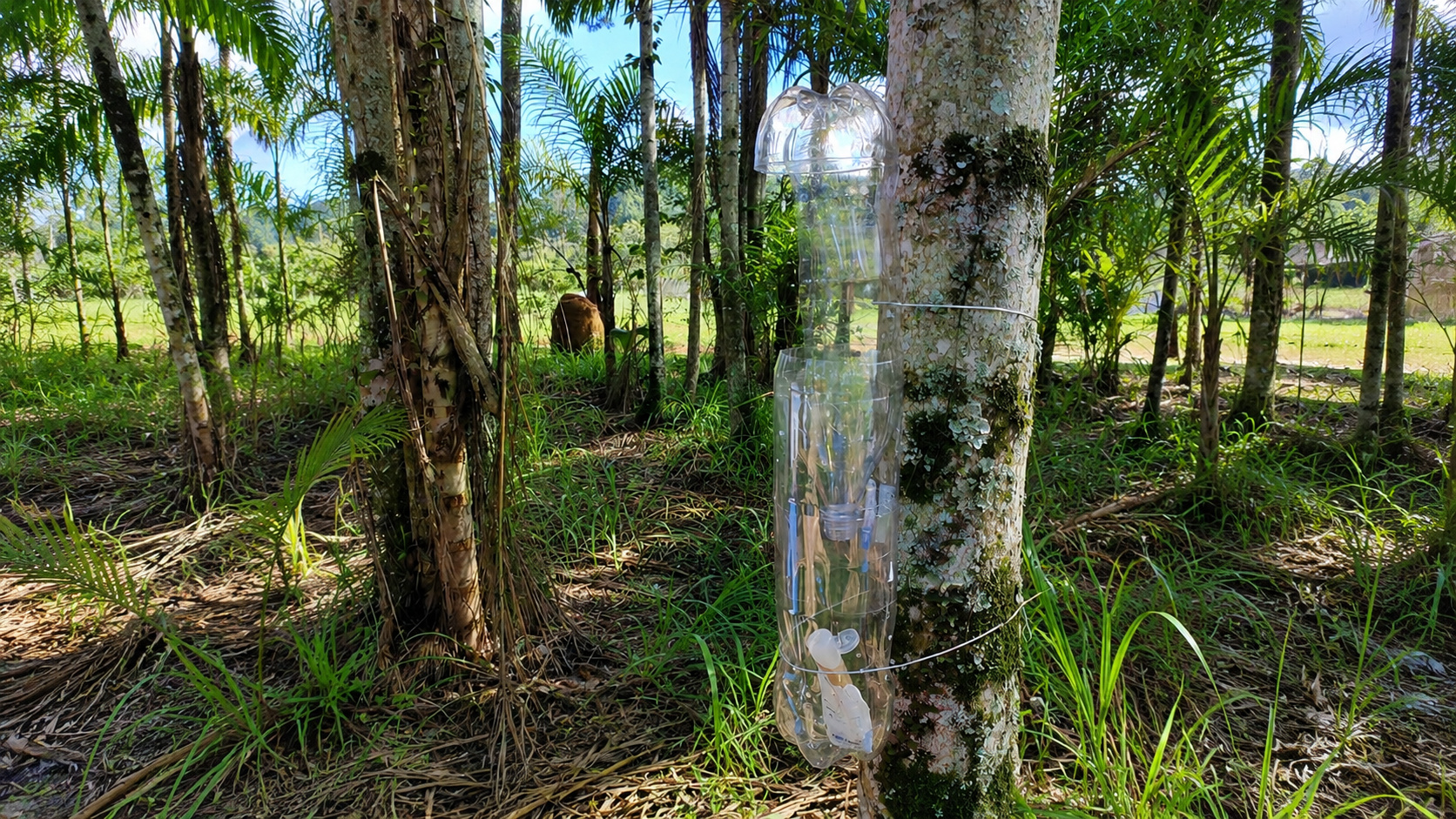


There are about 32,000 cocoa farmers on approximately 230,000 hectares, often on small plots not exceeding 10 hectares. It’s dispersed production, but with significant impact, because cocoa supports a chain that feeds the global chocolate industry.
From Deforestation To The Reverse Path: The Turn Inside The Properties


Many families arrived with the opening of the Transamazon Highway and started with the classic model of the time: clearing land, planting rice and corn, then black pepper in monoculture, and when the crop declined, migrating to another piece. Decades later, the logic changes. The focus shifts to not deforest and recapture what has already been cleared, with planning, mapping, and diversification.
In this new design, pepper may enter as an initial cycle, açaí appears as intermediate income, and cocoa consolidates the system when it starts to produce. It’s a transition that swaps sun exposure and degradation for shade, covered soil, and stability.
Productivity Of 2,000 Kg Per Hectare And Technology That Makes A Difference
With more technical management, selected seedlings, fertilization, and proper irrigation, some producers are achieving productivity around 2,000 kg per hectare.
This stands in contrast to a national average reported between 900 and 1,000 kg per hectare. It’s not a miracle, it’s management, genetics, and consistent care, with room to evolve as new technologies enter the field.
The guidance for the producer is clear: improve productivity per hectare, not expand arable land. More cocoa in the same area, with preserved forest, becomes the strategy to navigate price cycles and maintain income.
Why Prices Skyrocketed And How This Changes The Game In Brazil
With prices soaring over 300% compared to 2023, the international cocoa market has experienced turbulence due to climatic instability in large African producers, reducing yield and raising prices.
The direct effect in Brazil is immediate: the domestic market becomes more attractive, part of the volume that previously went abroad begins to be absorbed locally, and producers gain negotiating power.
At the same time, there is an embedded warning: when many people enter the culture and the new plants start to produce, the boom may not last forever. That’s why productivity and quality become the producer’s insurance, especially in agroforestry systems.
Agroforestry And Agroecology: When Soil Recovery Becomes Part Of The Profit

In areas that were degraded pasture, producers demonstrate soil recovery with organic cover, species diversity, and phytosanitary balance. Agroecology, in this account, goes beyond organic: it seeks self-sustainability and reduced dependence on external inputs, with nutrition coming from the system itself and careful management to minimize economic damage from pests and diseases. The soil stops being a problem and becomes an asset, with microorganisms, organic matter, and life returning to the ground.
For those working in the field, the gain is also human: the shade from agroforestry changes the routine and makes the work less exhausting. When the system mimics the forest, productivity emerges without the cost of extreme wear.
Premium Chocolate: The Value Jump That Keeps The Producer In The Field
The most decisive step is to capture value beyond the bean. Some are already transforming production into chocolate on their own farms, with scale measured in bars, not just beans. When the producer also becomes a manufacturer, the price is no longer just that of the commodity, but includes quality, narrative, origin, and process.
In consumption, this translates to chocolate with the sensory profile of cocoa, careful fermentation, and harvest at the right point of ripeness. The premium arises from the details, and the details begin in the field.
In the current scenario, with prices skyrocketing, the central question for Pará is how to consolidate this progress without relying solely on market peaks: productivity, agroforestry, and added value seem to be the most robust tripod.
Do you believe that Brazil should encourage more premium chocolate production at the source, or should the focus still be on selling beans to the industry and profiting from volume?







Sim, acredito. Seria interessante se essa publicação nos desse o nome da variedade do Cacau produzida no Pará
Sim, com certeza assim atrairia e incentivava o homem não sair do campo. Verticalizar produção é benefícios pra todos da **** produtiva