Portuguese
  Spanish


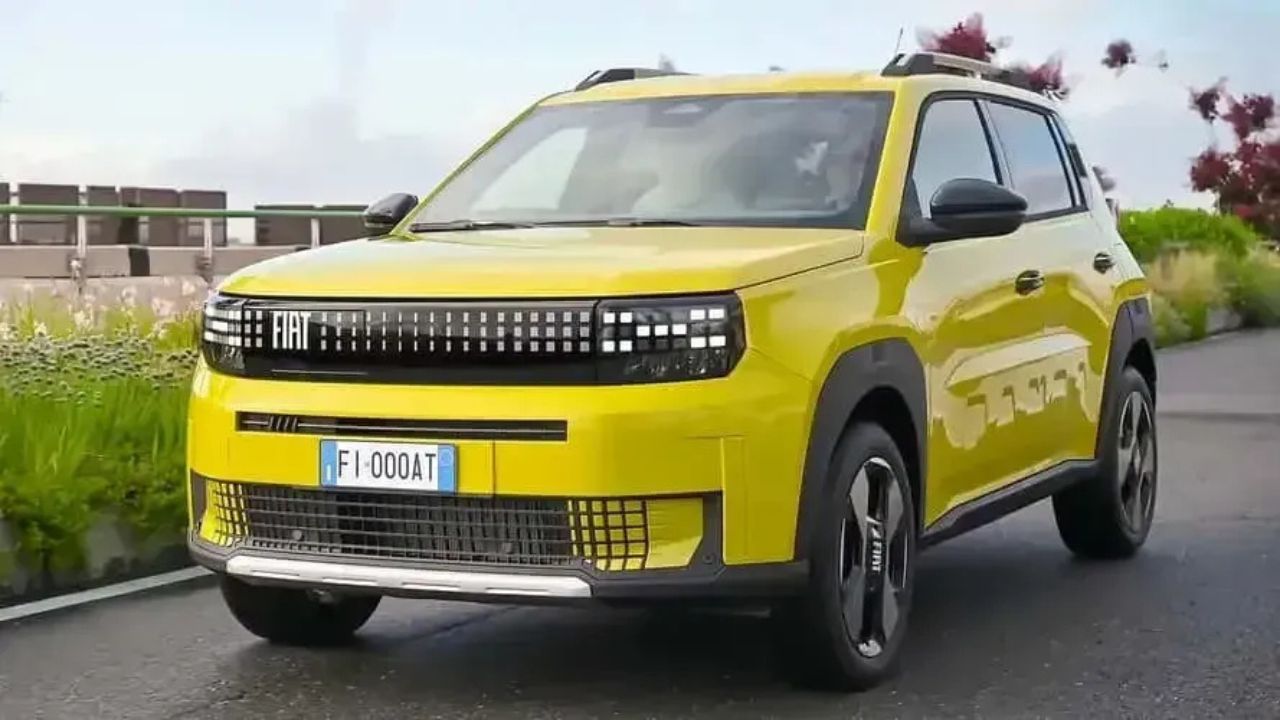

Fiat’s Billion-Dollar Plan Includes Grand Panda to Replace Argo and Mobi and New Generations for Strada and Toro.
Fiat has confirmed a robust plan for Brazil, involving an investment of R$ 30 billion and the launch of five completely new cars between 2026 and 2030. The announcement, part of the celebrations for the brand’s 50th anniversary in the country, was made in Turin, Italy, by Frederico Battaglia, vice president of Fiat for South America. The information, released by CNN, signals a clear bet on maintaining market leadership.
This billion-dollar investment, part of Stellantis’ investment cycle, will be directed to renew key segments of Fiat. The focus will be on products that are “affordable and suitable for the needs” of Brazilian consumers. The main change will be the joint replacement of the popular Argo and Mobi with a single model, the anticipated Grand Panda, as well as the complete renewal of the Strada and Toro pickups.
What Are “Completely New Cars”?
During the announcement, a crucial question arose: would these launches be mere updates of design or model year? According to the CNN report, Vice President Frederico Battaglia was emphatic in assuring that they are completely new cars. This opens space for new generations of established vehicles or even for brand new models in categories where the brand does not yet compete, such as a possible compact SUV.
-
End of an era in Brazil: beloved sedan by Brazilians is discontinued despite having a 2.0 engine with 151 hp, CVT transmission, 466-liter trunk, and up to 650 km of range.

-
New Law Proposal in Brazil Could Heavily Penalize Drivers: Dangerous Overtaking May Become a Serious Offense with Fines Increased Tenfold and a 12-Month License Suspension; Update on 2026 Progress

-
Electric Revolution: Watts W125 Motorcycle Offers 160 km Range, 90 km/h Speed, and Affordable Price Starting at $3,000
-
General Motors Replaces Over a Thousand Workers with 50 Cobots at Electric Vehicle Plant, UAW Union Criticizes Move Amid Industry’s Automation Push


The executive stated that the plan is a “clear commitment” to the Brazilian market, reinforcing Fiat’s belief in the country’s potential. “We continue to believe strongly in the Brazilian market,” Battaglia said. The strategy aims to consolidate the dominant position the brand held for most of the last 25 years, adapting to new demands for technology, efficiency, and, above all, affordability.
The Arrival of the Grand Panda and the End of Argo and Mobi
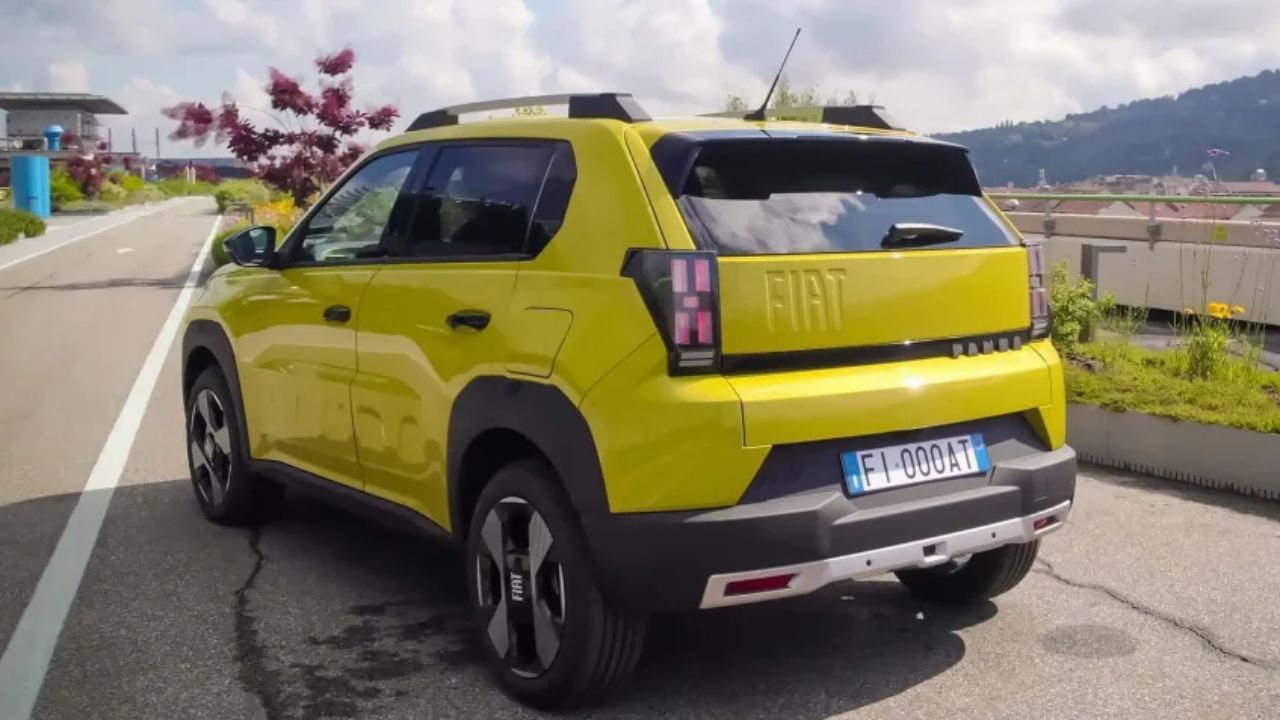
The first launch of this new cycle already has a name and date: the Grand Panda, expected to arrive in 2026. This model will be Fiat’s boldest move, as it will replace both the current Mobi and Argo at once. Production will be concentrated at the Betim (MG) plant, a historical hub for the automaker in Brazil, and the plan is to have one launch per year until 2030.
It is important to note that the national Grand Panda will not be identical to the European model. As reported by CNN, we will have a simplified version, but it will maintain the neo-retro design. The engine options are expected to include the well-known 1.0 Firefly (75 hp) in the base versions and the 1.0 T200 (turbo) in the more expensive versions, with a real possibility of a mild-hybrid 12V option, aligning with new electrification trends.
The New Platform and the Future of Strada and Toro
The basis for most of these new vehicles will be the “Smart Car” platform. This is a simplified variation of the CMP architecture, already used by models from Citroën and Peugeot (other brands in the Stellantis group). This standardization is crucial for reducing production costs and speeding up the development of the new Fiat cars, allowing the brand to maintain competitive pricing.
Fiat will not abandon its bestsellers. The plan includes a new generation of the Strada, the best-selling pickup in Brazil. Although the brand has not officially confirmed this, a conceptual video shown at the event in Turin provided clear hints about the pickup’s future visual identity. The Toro is also scheduled for a deep renewal, which should include the adoption of the modern STLA Medium platform, the same one used for future Jeep Compass and Peugeot 3008, with probable production in Goiana (PE).
Uncertainties and Flexible Production
One question that remains open is the name of the vehicles. According to Battaglia in his statement to CNN, it is still undecided whether all models will keep their current names (such as Fastback, which is also expected to get a new generation) or if Fiat will choose to rename them. The final decision will depend on extensive market analysis and consumer perception regarding the strength of names like Argo and Mobi.
The vice president of Fiat also clarified an important logistical point: any Stellantis production unit in Brazil could be used to meet the demand for these five new products. This gives the company enormous flexibility to allocate production between Betim (MG) and Goiana (PE), optimizing operations according to market needs for future launches.