






 Portuguese
  Spanish


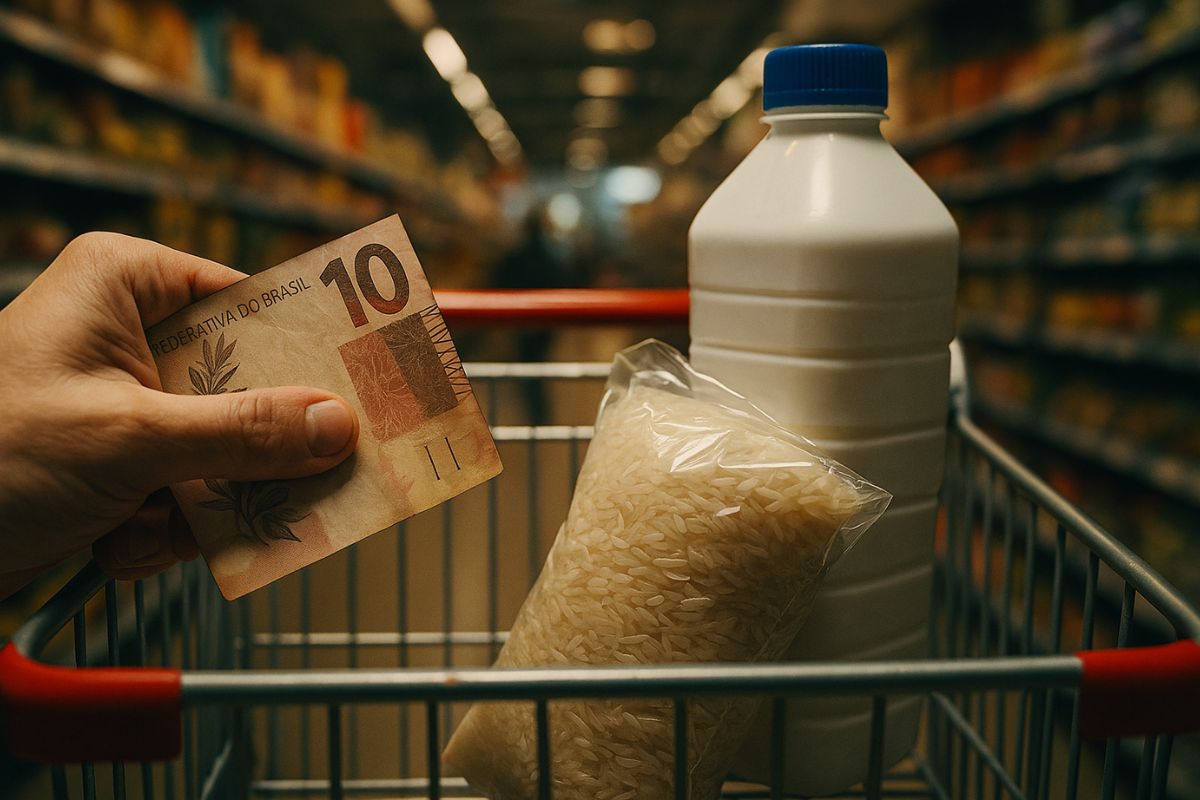

We Compared What This Same Bill Could Buy in 2022 and 2025 — and the Result Is a Direct Portrait of Inflation
A R$ 10 bill used to be enough to put together a basic meal for the family or have a full snack in the middle of the afternoon. But what happens with that same amount today? The answer is more than symbolic: it reflects the real loss of purchasing power experienced by millions of Brazilians.
In the analysis from Monitor Mercado, what was possible to buy with R$ 10 in July 2022 and what you can take home with the same bill in 2025. The result shows how food inflation has deeply altered supermarket routines — and the population’s wallet.
What Could We Buy with R$ 10 in 2022?
Three years ago, R$ 10 was enough to put together a complete base for a home-cooked meal. Considering average market prices, it was possible to take home:
-
Brazil’s 2026 Tax Refund: Record 9.58 Million Filers in Largest Payout Ever, But a Key Detail on Priority Recipients Draws Nationwide Attention

-
Itaú Alters Hybrid Work Model, Increasing Office Days from 2028, Prompting Employees to Adjust to New Routine
-
Facing Labor Shortage, Japan Plans to Invest $34 Million to Attract Foreign Workers in Construction, Healthcare, Industry, and Commerce

-
Brazilian City Makes Remarkable Leap, Becomes 4th Wealthiest in the Country with GDP of R$ 134.1 Billion




- 500g of pasta (R$ 2.50)
- 1 sachet of tomato sauce (R$ 2.00)
- 1 medium onion (R$ 1.50)
- 3 to 4 garlic cloves (R$ 3.00)
Total: R$ 9.00, with R$ 1.00 change. This combination allowed for a simple and functional dinner for the whole family.
What Do R$ 10 Buy in 2025?
In July 2025, the reality is different. With the same amount, we can only get:
- 1kg of low-cost rice (R$ 6.00)
- 1 large carrot (R$ 2.50)
Total: R$ 8.50, and there is no room for seasonings, proteins, or side dishes. The difference is significant and proves the impact of food inflation accumulated over the past few years.
What Caused This Loss of Purchasing Power?
The main factor is food inflation, caused by a combination of factors:
- Increase in fuel and energy costs
- Rise in agricultural inputs and fertilizers
- Unstable weather and crop failures
- Logistical and tax adjustments
These factors increase the final price paid by consumers. Basic foods — such as rice, beans, milk, vegetables, and eggs — have become proportionally more expensive than industrialized products in many cases.
What Is the Impact on Families’ Daily Lives?
The consequence is direct: with fewer products in the shopping cart and more money spent, Brazilian families are forced to:
- Reduce the amount of food purchased
- Switch brands and ingredients for cheaper versions
- Give up proteins or fresh foods
- Deal with unbalanced household budgets at the end of the month
The feeling that the salary “disappears” quickly is based in reality and directly affects the food security of millions of people.
How to Make Your Money Go Further Even with R$ 10?
There is no magic formula, but there are actions that can help minimize the impact of inflation:
1. Compare prices more often. Use apps, market flyers, and observe variations between neighborhoods.
2. Shop on strategic days. Mondays and Tuesdays often have deals on produce and butcher shops.
3. Prioritize high-yield foods. Eggs, beans, sweet potatoes, carrots, and rice are versatile and last longer.
4. Repurpose leftovers. Planning meals with what you already have at home avoids invisible waste.
5. Buy less, more often. Prevents loss of perishable foods and encourages opportunistic purchases.
Did you notice the difference when shopping? Do you think the R$ 10 bill still has real value in the market? Share your experience in the comments — we want to hear how you have faced rising prices in practice.








