Portuguese
  Spanish


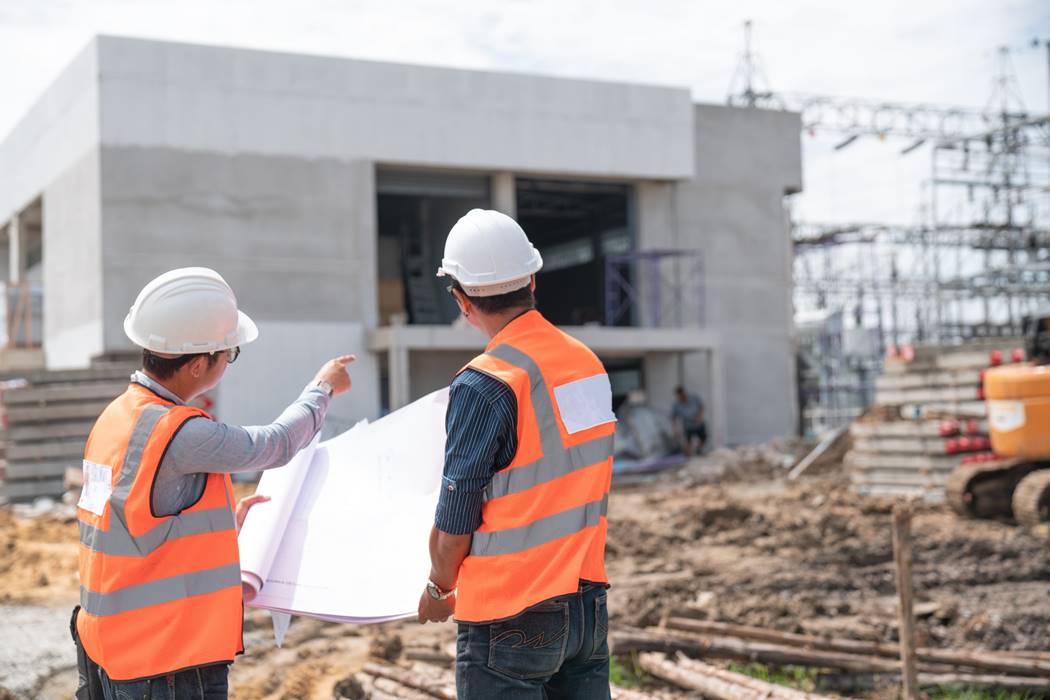

The Construction Industry Reached a 106% Index on the Stock Exchange in 2019, the Highest Sectoral High of Ibovespa. However, the New Coronavirus Significantly Interrupted This Growth, Resulting in -36.78% of the Stock Index.
The social isolation recommended by WHO (World Health Organization) has shown negative effects on the construction industry. After all, many countries, including Brazil, are observing quarantine and adopting new work models.
- The Anglo-Dutch Oil Multinational Shell Reports Three Solar Plants in Minas Gerais
- Neoenergia Receives a Boost for the Construction of a Wind Energy Complex in Northeast Brazil
- Government Offers 674 Options for Online and Free Courses for You to Take During Quarantine
To give you an idea, the construction industry reached a 106% index on the stock exchange in 2019, the highest sectoral high of Ibovespa. However, the new coronavirus significantly interrupted this growth, resulting in -36.78% of the stock index.
In this scenario, many organizations in the construction industry have begun to adopt new businesses and work models, such as remote work. However, a large part of the companies still maintains the same work pace and operates with a reduced team.
-
28-meter, 156-ton titans traveled 20,000 km from China to the port of Santa Catarina: Portonave received 7 fully electric megacranes, part of a R$ 210 million package, to double container handling.

-
They exchanged the idea of a large house for a 35 m² warehouse, spent US$ 12,000 on the structure, and created a tiny house in Colorado with space to live and work.

-
A newly opened terminal in the middle of the Amazon has begun transporting soy and corn through Amapá, eyeing the queue of ships that is congesting the ports in the South.

-
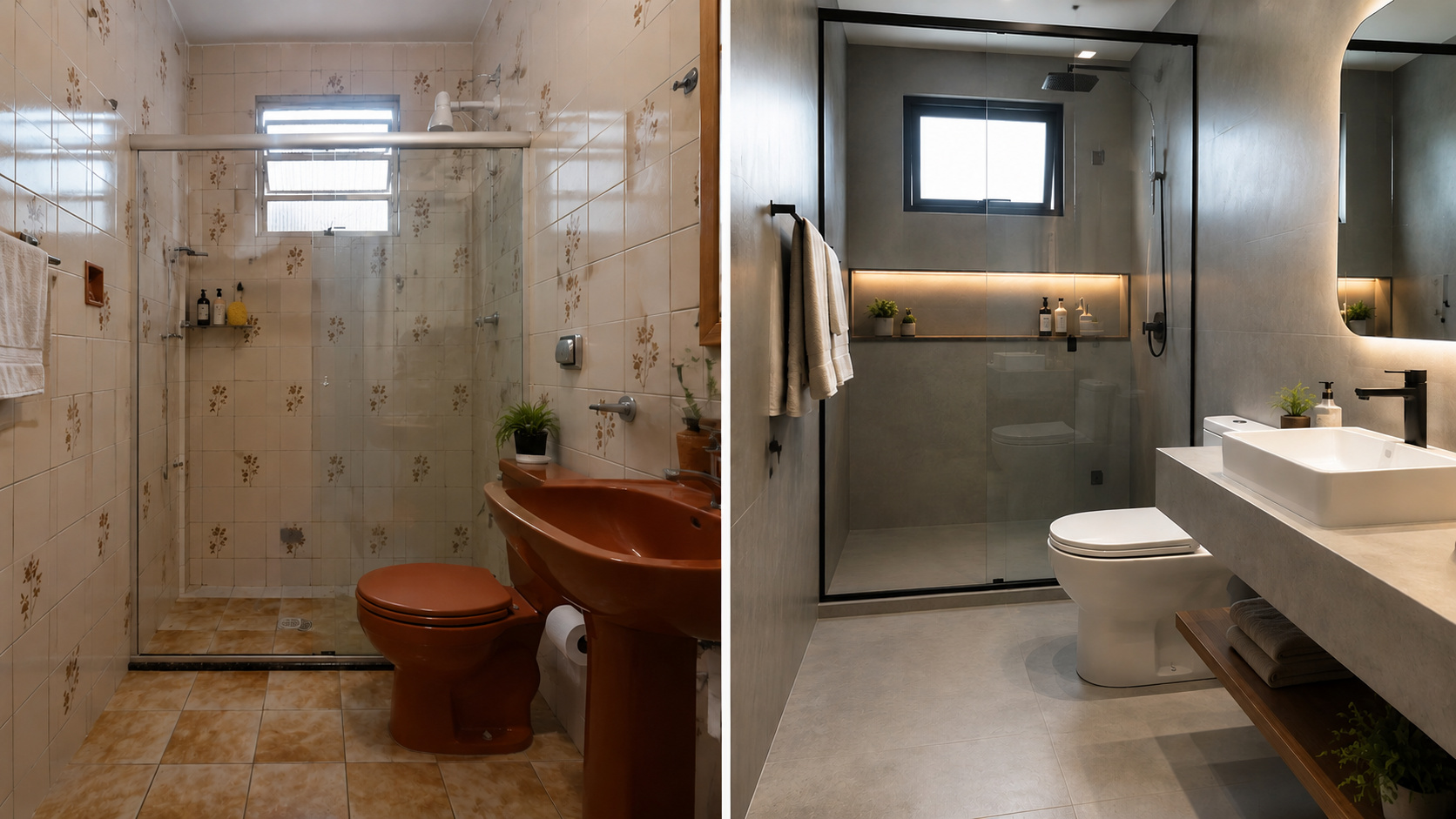
Goodbye to old tiles: renovation technique without construction transforms bathrooms in a few hours, eliminates debris, and reduces costs with coverings using special paints, high-resistance adhesives, and modern finishes that completely renew the space.


If, in your organization, construction projects are still ongoing, we have prepared some fundamental measures to continue the construction and provide protection to the team. Check it out!
Actions for the Construction Industry and New Businesses
Although the COVID-19 crisis has negative results in the construction industry, one of the greatest advantages of construction companies and new businesses is the robust cash flow, which reached R$ 5.5 billion during the optimistic period of the economy.
In this regard, the coronavirus pandemic (COVID-19) demands fundamental actions from society. Of course, we cannot overlook the fact that offices, indices, new businesses, and the SPDA project have suffered significant impacts from the crisis.
However, a total stoppage of the team could result in significant financial losses. To prevent this from happening, we have outlined a step-by-step guide to reduce the spread of the virus in construction and management activities. Follow along!
1. Define Responsible Individuals in the Company
To manage the construction projects and organizational processes, define one or more responsible individuals to monitor the activities and production index of collaborators.
Additionally, create crisis policy actions, presenting the current economic scenario and how the pandemic may impact new businesses in the future.
In this sense, after defining the responsible individuals, ensure that the entire team is aware of the ongoing construction projects, the processes to be managed, and the necessary measures to navigate the crisis.
To ensure the health and well-being of collaborators, centralize the occupational safety technical team to oversee the imposed prevention actions.
2. Hygiene
Another fundamental point in every organization – especially in the midst of a pandemic – is the hygiene of the environment. In this scenario, clean door handles, laminated foam, faucets, and other frequently used locations every hour with active chlorine.
Additionally, it is crucial to clean restrooms, sinks, toilets, drinking fountains, changing rooms, timekeeping devices, turnstiles, and work equipment every two hours, also with active chlorine.
Another important point to highlight is personal hygiene. Therefore, provide 70% alcohol gel for all collaborators, check for soap in the restrooms throughout the day, and share some measures, such as washing hands and sanitizing personal protective equipment.
3. Reduce Crowding
The first step is to provide lunch at staggered times. To reduce the number of collaborators in the cafeteria, establish alternating shifts between teams.
Additionally, minimize the number of people in elevators, in the office, and in other areas of the company as much as possible, following the safety guidelines from the World Health Organization.
Moreover, it is essential to suspend internal and external events, visits, cancel trips, and, if possible, allow remote work for the team, especially for collaborators who are part of the at-risk group.
The idea is for the construction industry to generate positive indices, establish new businesses, revenues, and continue to contribute to the health and well-being of the team.
This article was written by Beatriz Barros, Content Creator at Soluções Industriais.