Portuguese
  Spanish


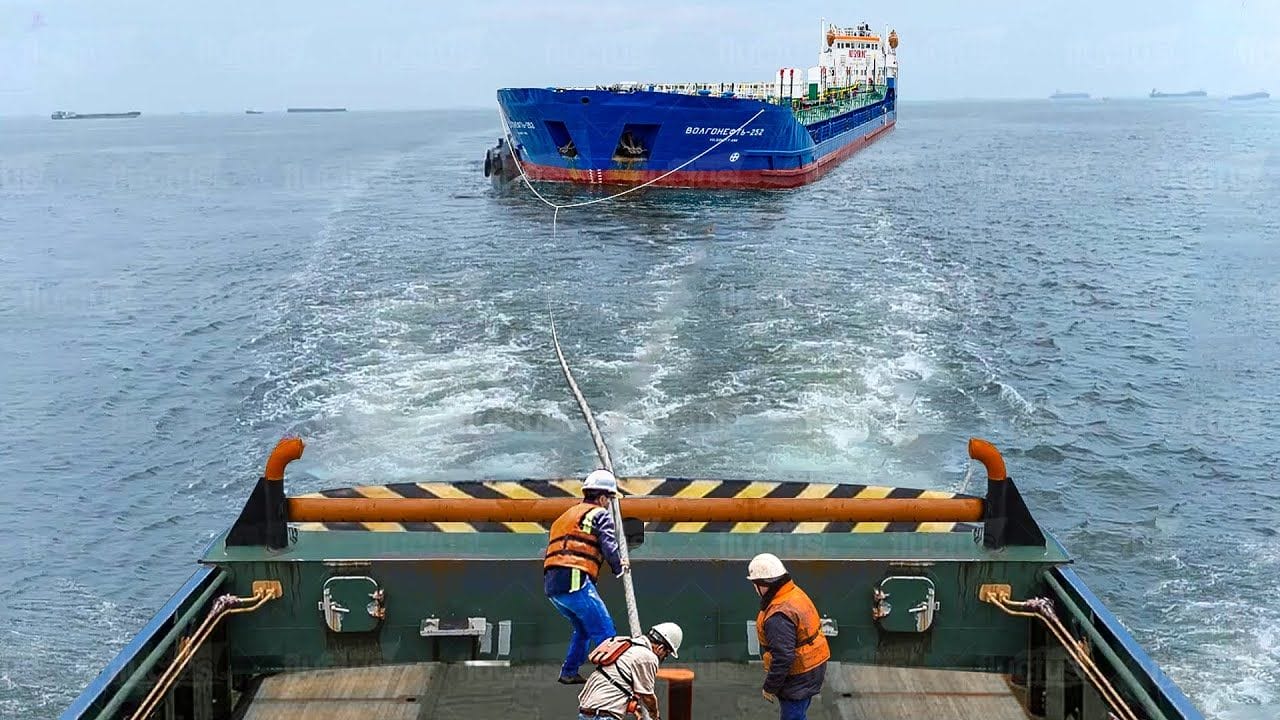

Dive Into The Vital Operation Of Tugs At The Port Of Santos, Where These Essential Vessels Ensure Safety And Efficiency In Maneuvering Sea Giants.
At The Heart Of The Port Of Santos, The Offshore Tug Play A Crucial Role, Guiding Giant Ships Through Complex Maneuvers With Precision And Competence. These Vessels, Fundamental In Both Port And Offshore Operations, Are The Backbone Of Maritime Activities, Ensuring Safe Docking And Undocking Of Ships.
Since The 18th Century, Tugs Have Evolved From Simple Oar-Powered Boats To Sophisticated Steam Machines, And Later To Modern Internal Combustion Engines. Today, Companies Like T2S Technologies, Algo, Sons, ASAM, Camorin, And Estar Nave Lead The Brazilian Market, Offering High-Performance Tug Services.
Offshore Tug Of Sulnorte
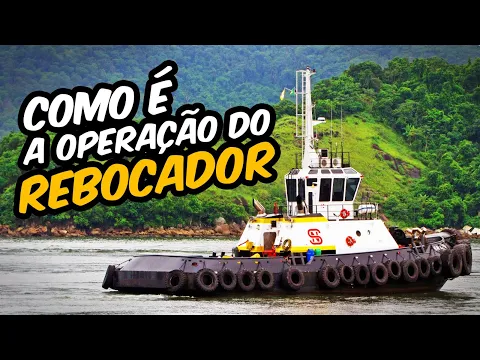

In The Current Scenario, Sulnorte Stands Out With The Largest Coastal Coverage In Brazil, Specializing In Ocean Operations Since 1978. In This Environment, Tugs Not Only Assist In Port Maneuvers But Also In Offshore Operations, Where Their Precision And Power Are Put To The Test.
-
They exchanged the idea of a large house for a 35 m² warehouse, spent US$ 12,000 on the structure, and created a tiny house in Colorado with space to live and work.

-
While modern cities rely on pumps and electricity, in Iran, ancient tunnels carried water through the desert using only slope and gravity.
-
Instead of sending families far from the city, a project in Chile intentionally created incomplete houses on expensive urban land and left technical space for each to grow.
-
General Motors Replaces Over a Thousand Workers with 50 Cobots at Electric Vehicle Plant, UAW Union Criticizes Move Amid Industry’s Automation Push


In This Context, Sulnorte Stands Out By Providing Specialized Docking And Undocking Services Since 1978. With The Largest Coastal Coverage In Brazil, The Company Is A Key Player In The Brazilian Maritime Sector.
On Board A Tug
On Board An Offshore Tug, There Is An Operation Cabin, A True Command Center With A 360-Degree View, Ensuring Maximum Visibility And Control During Maneuvers. The Complexity Of Operations Is Evident In The Need For Fine Adjustments, Such As Washing, Which Adjusts The Buoyancy For Lighter Ships, Demonstrating The Skill And Experience Required For This Task.
Tugs Are Vital For The Safety And Efficiency Of Port And Offshore Operations, Playing An Indispensable Role In Supporting Sea Giants. With The Evolution Of Technology And Accumulated Experience, These Vessels Continue To Be A Fundamental Element In The Maritime Sector, Moving Not Only Ships But Also Driving The Maritime Economy, Such As The Expansion Of The Brazilian Navy In 2024 (Read The Full Article).
What Is The Power Of An Offshore Tug Engine?
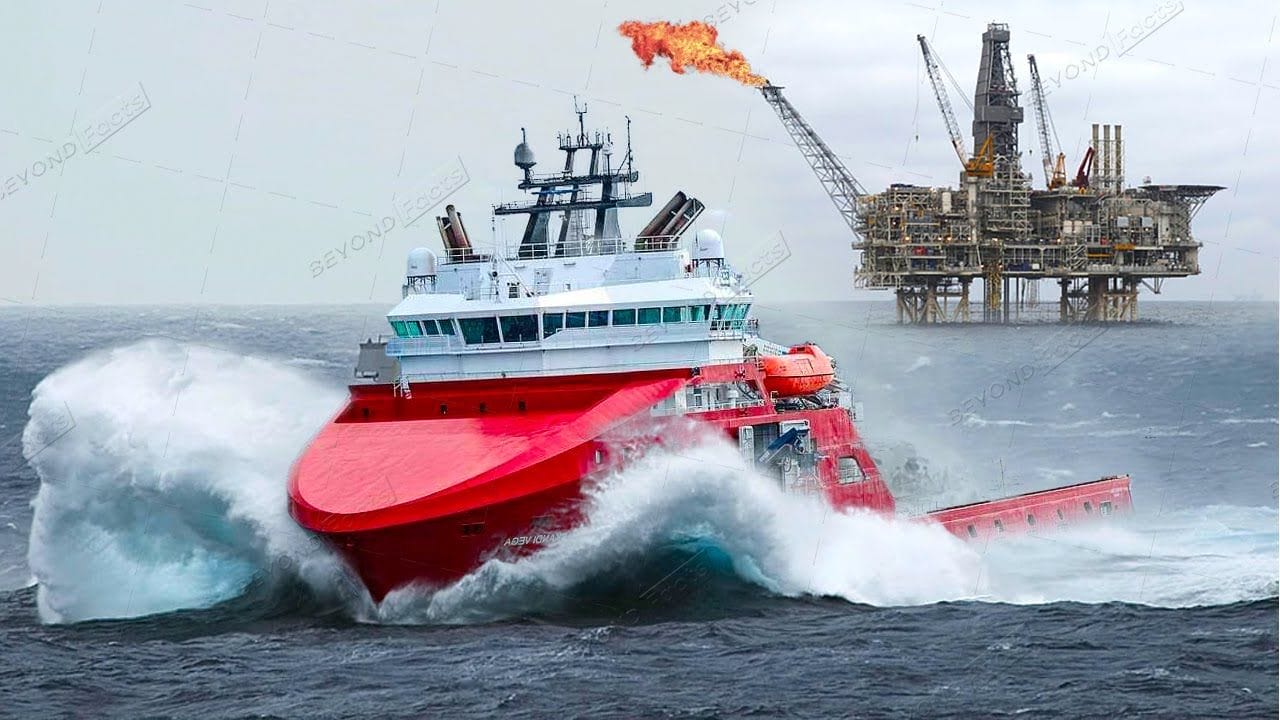
Ship Tugs Are Typically Equipped With Two Robust Diesel Engines, Providing The Necessary Power To Efficiently Perform Towing And Maneuvering Tasks. These Engines Are Designed For High Torque, Allowing The Tug To Execute Heavy Towing Operations Even In Challenging Maritime Conditions.
Although Their Primary Function Is Not Speed, A High-Performance Tug Can Reach Speeds Of Up To 14 Knots, About 26 Km/H. This Capability Ensures That They Can Maneuver Quickly Around Larger Ships And Provide Assistance Effectively When Needed.
Crew On Board
The Crew On A Tug Includes Specialized Professionals Such As Sailors, Engineers, And Captains, All Trained Specifically For The Operation Of These Vessels. These Teams Are Trained To Handle The Physical And Technical Demands Of Towing Operations, Ensuring That Maneuvers Are Performed Safely And Efficiently.
What Are The Types Of Tugs?
Tugs Are Diversified In Types, Each Suitable For Different Operational Needs. Offshore Tugs Are Built To Withstand Open Sea Conditions, While Escort Tugs Are Specialized In Precise Maneuvers In Confined Areas. Port Tugs Are More Common In Port Environments, Assisting In The Movement Of Ships In And Around Ports. Tractor Tugs, Notable For Their Exceptional Maneuverability, Have A Design That Maximizes Efficiency In Towing And Assistance Operations.
The Operation Of An Offshore Tug Is A Complex Combination Of Technology, Skill, And Coordination, Playing A Fundamental Role In The Global Maritime Industry. These Vessels Not Only Facilitate The Movement Of Ships In Ports And Channels, But Also Ensure Safety And Effectiveness In Maritime Operations Under Various Conditions And Scenarios.