






 Portuguese
  Spanish


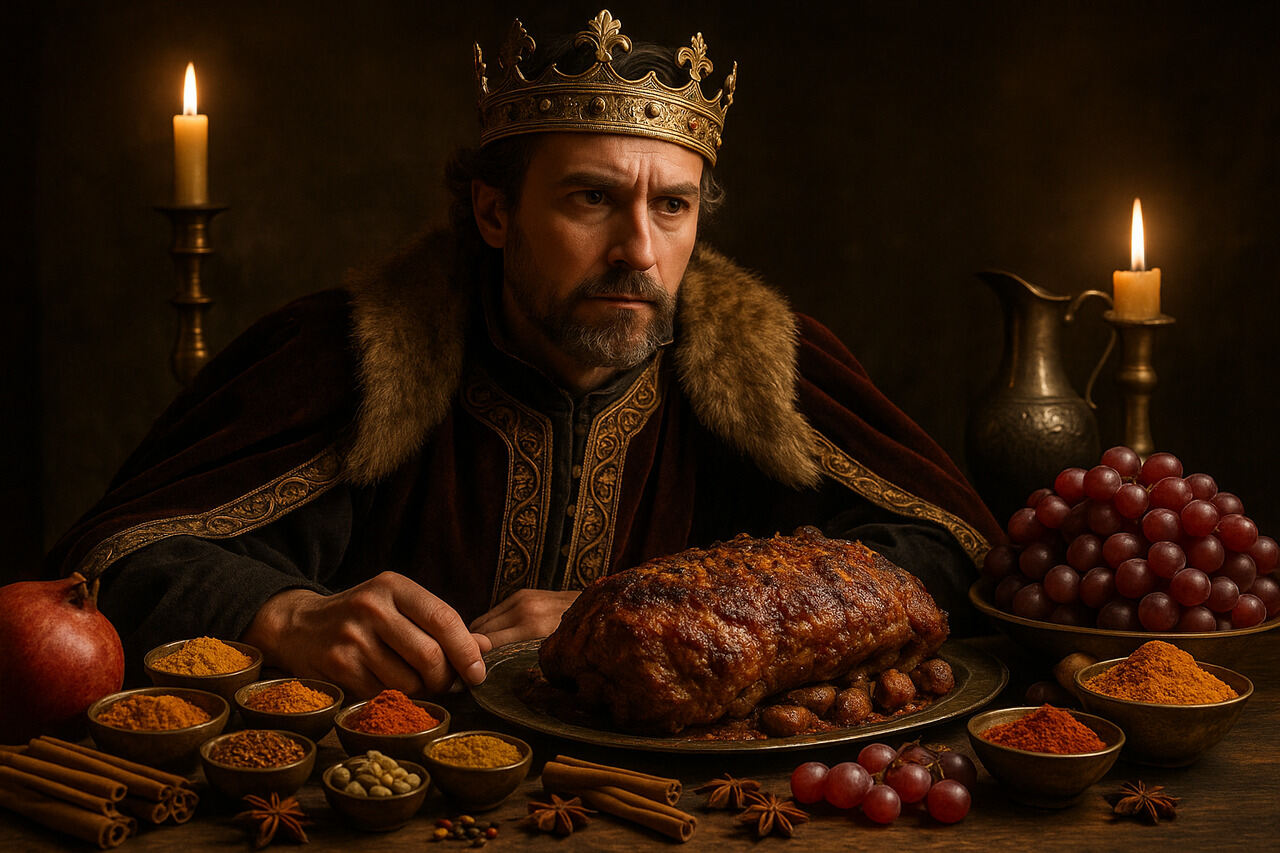


During the Middle Ages, banquets with many spices were used by nobles to show power, wealth, and prestige among the guests
During the Middle Ages, food was not just a necessity. It was also a way to display social status. Nobles, barons, and feudal lords used banquets as events to impress their guests. And the main tool of this ostentation came from spices.
At that time, the more spices in a dish, the better. Ingredients like ginger, pepper, nutmeg, saffron, and cinnamon were used in excess.
According to Professor PhD Michael Delahoyde from Washington State University, a single sauce for meats could contain up to 17 different types of spices. This produced a strong flavor and a marked aroma that today might not please many palates.
-
Why Heavily Armed Medieval Knights Are Depicted Fleeing Giant Snails in Medieval Religious Manuscripts

-
Brazil Deploys Navy Field Hospital, Search Dogs, and Water Purifiers to Aid Venezuela After Deadly Earthquake

-
World’s Largest Crocs Collection: 3,569 Pairs Counted in 13-Hour Museum Session, 18 Years After Spotting a Neighbor’s Lilac Crocs
-
Brazilian Teacher Reclaims World Record with 4,000-Piece Zelda Collection Valued at $100,000


The foods were extremely seasoned. This was not just a matter of taste preference, but a way to show power.
The spices, which today can be easily purchased at any supermarket, were rare and very expensive at that time. Many of them came from distant lands and required long trade journeys.
In a time when sugar was also considered a luxury item, the presence of these ingredients in dishes indicated that the host had many resources.
A banquet with meats covered in sauces full of spices served not only to feed but to signal that the homeowner was a rich and influential person.
The gastronomy of the Middle Ages, therefore, went beyond taste. It had political and social functions. Showing access to imported and expensive products was part of the strategy.
The excess of spices, although it may seem strange today, made sense within that logic of displaying power.
What is now accessible and common, like pepper and cinnamon, was once a sign of prestige and fortune. This transformation over time was only possible thanks to the work of historians, specialists, and records in books that reveal details about the food of past centuries.
The medieval cuisine remains a rich field of study, revealing how even food can reflect the inequalities and values of a time.
With information from MSN.


