






 Portuguese
  Spanish





BNDES Loans Via Export Credit, Backed by the FGE. But What Happens When Countries Default on Billions in Debt?
The National Bank for Economic and Social Development (BNDES) is one of Brazil’s main financial instruments.
Although its central role is to finance industrial and infrastructure projects within the country, the bank also operates abroad, primarily supporting Brazilian exports of goods and services.
This model has opened international markets for construction companies and local suppliers, but it has also generated controversy when recipient countries fail to make payments, as was the case with Venezuela.
-
Brazil’s 2026 Tax Refund: Record 9.58 Million Filers in Largest Payout Ever, But a Key Detail on Priority Recipients Draws Nationwide Attention

-
Itaú Alters Hybrid Work Model, Increasing Office Days from 2028, Prompting Employees to Adjust to New Routine
-
Facing Labor Shortage, Japan Plans to Invest $34 Million to Attract Foreign Workers in Construction, Healthcare, Industry, and Commerce

-
Brazilian City Makes Remarkable Leap, Becomes 4th Wealthiest in the Country with GDP of R$ 134.1 Billion




Export Credits: The Gateway
When BNDES finances international operations, it does not grant a direct loan to the foreign government. The most common modality is export credit, in which the bank finances the Brazilian company responsible for the works or services, while the final payment falls upon the importing country.
This format, known as BNDES Exim, has two phases: pre-shipment, for the company to produce what will be exported, and post-shipment, when the external client assumes the financial commitment.
In this way, projects such as ports, highways, airports, and subways in Latin America and Africa were carried out with the support of BNDES, which sought not only to strengthen diplomatic ties but also to enhance the internationalization of Brazilian companies.
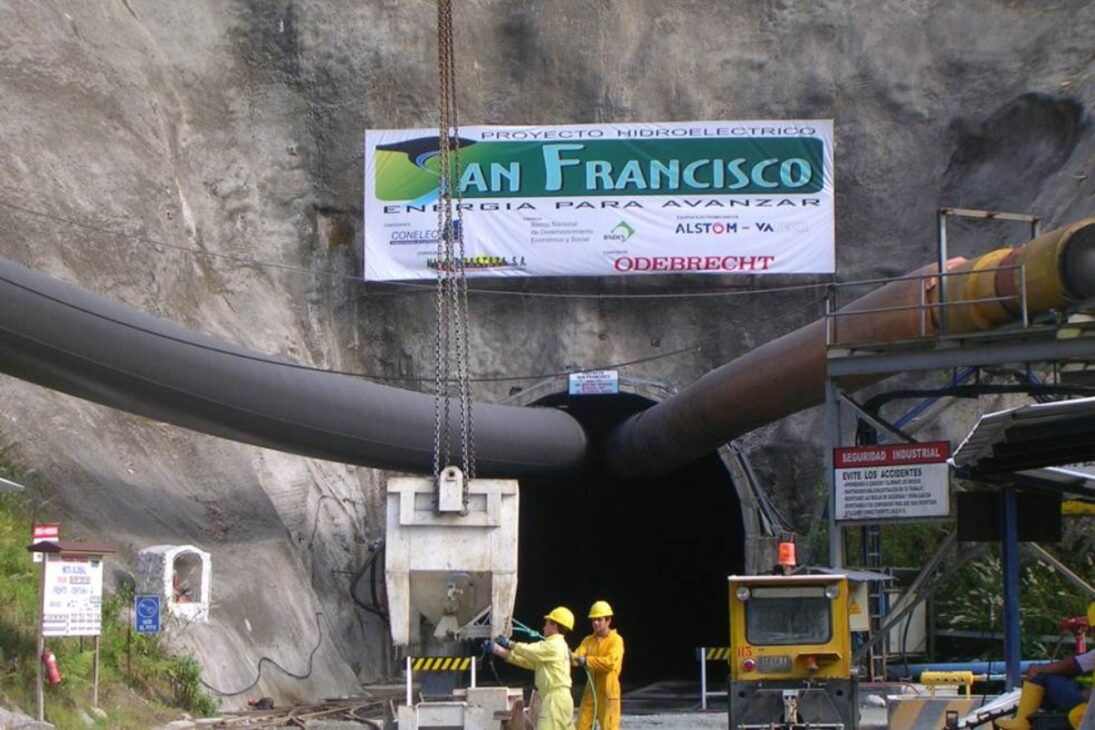
After the completion of the work, the Ecuadorian government questioned the Brazilian company about defects presented by the plant. Odebrecht was expelled from Ecuador, and the Ecuadorian president threatened to default on BNDES
The Guarantees and the Role of the Brazilian State
As the risk of default in international operations is high, BNDES requires guarantees from the importer and, in many cases, the use of Export Credit Insurance (SCE). This insurance is covered by the Export Guarantee Fund (FGE), created by Law 9.818/1999.
The mechanism works like this: if the country or foreign company fails to pay, the FGE compensates BNDES, but the debt becomes the responsibility of the Brazilian Treasury, which then attempts to recover the amounts through renegotiations or international actions.
In other words, the risk is socialized and ultimately impacts public accounts.
Risk Assessment and Institutional Control
BNDES applies technical risk assessment criteria that include economic indicators, fiscal situation, institutional stability, and the historical payment capacity of the receiving country. Operations are reviewed by internal committees and approved by the bank’s collegiate board.
In addition, the Federal Court of Accounts (TCU) regularly audits these processes. In 2024 and 2025, TCU filed investigations into past operations due to a lack of proven irregularities, although recommendations were maintained to strengthen methodologies and transparency.
The system seeks to balance the need to open markets for Brazilian companies with the protection of public funds.
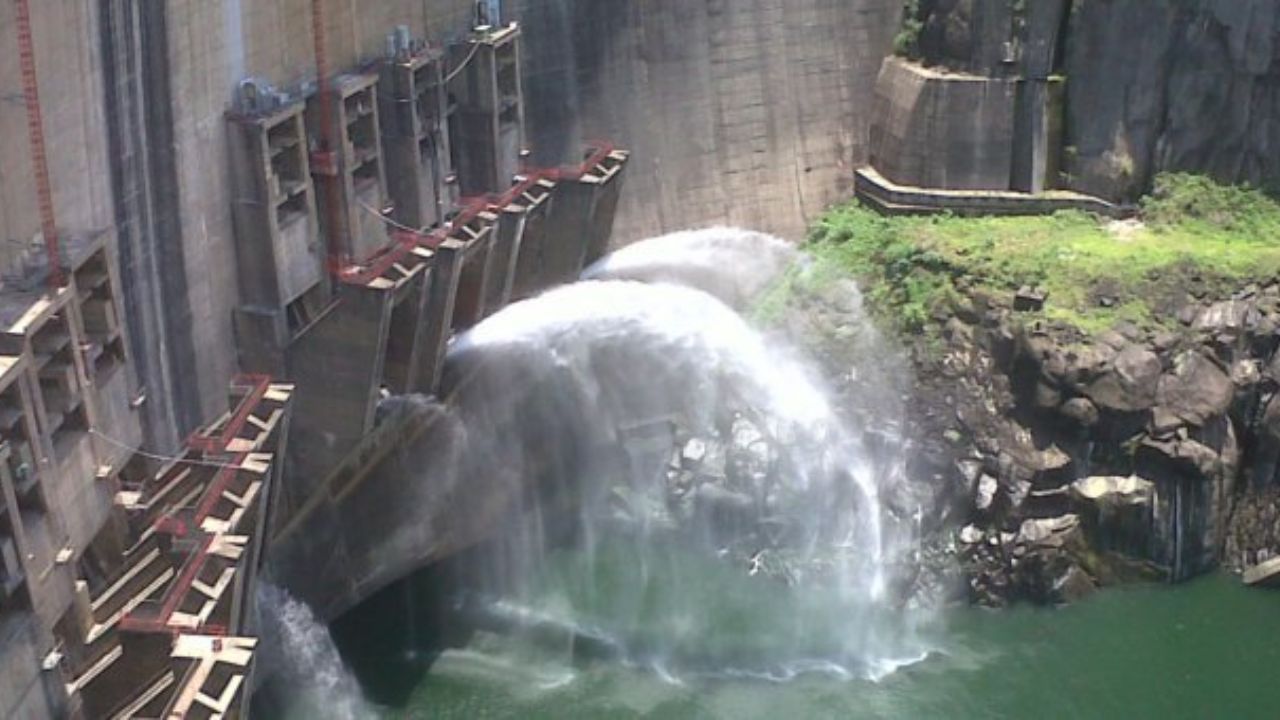
Responsible Company – Andrade Gutierrez –
Venezuela: From Financing to Default
The most emblematic case is that of Venezuela. The country received significant resources from BNDES for infrastructure works over the past decade. However, with the intensification of the political and economic crisis, it defaulted on its commitments in 2018.
According to data from the Brazilian Ministry of Finance, in February 2025, Venezuelan debt to Brazil exceeded R$ 10.3 billion, including FGE coverage and late fees. So far, there is no effective negotiation for the return of the money, making this operation one of the most costly for Brazilian coffers.
This default adds to the fact that Venezuela has also been in default on its external debt since 2017, which minimizes the chances of payment in the short term.
Lessons and Perspectives
The Venezuelan episode has become a symbol of the risks associated with BNDES’s international operations. While the model has allowed Brazilian companies to secure contracts abroad, the costs of default fall on the National Treasury when debtors do not fulfill their obligations.
Currently, the rules for new operations are stricter and prioritize transparency and the assessment of political and financial risks.
The goal is to maintain the possibility of opening markets for national exports, but with greater control to prevent cases like that of Venezuela from compromising public resources on such a significant scale.









Operações feitas a base de suborno , é isto que acontece, pois se cobrar , aparece o credor do suborno , e dele alimento de imposto , só se dá uma camisa , quando se tem pelo menos duas , estes nossos administradores de anos , todos , só pensam neles , câmara, senado, e executivo, falamos em máfia Italiana e outras , más duvido , qual ganha das nossas Brasileiras. , cidadão, a militar a do congresso e a do executivo.