





 Portuguese
  English
  Spanish
  5 min of reading
  0 comments


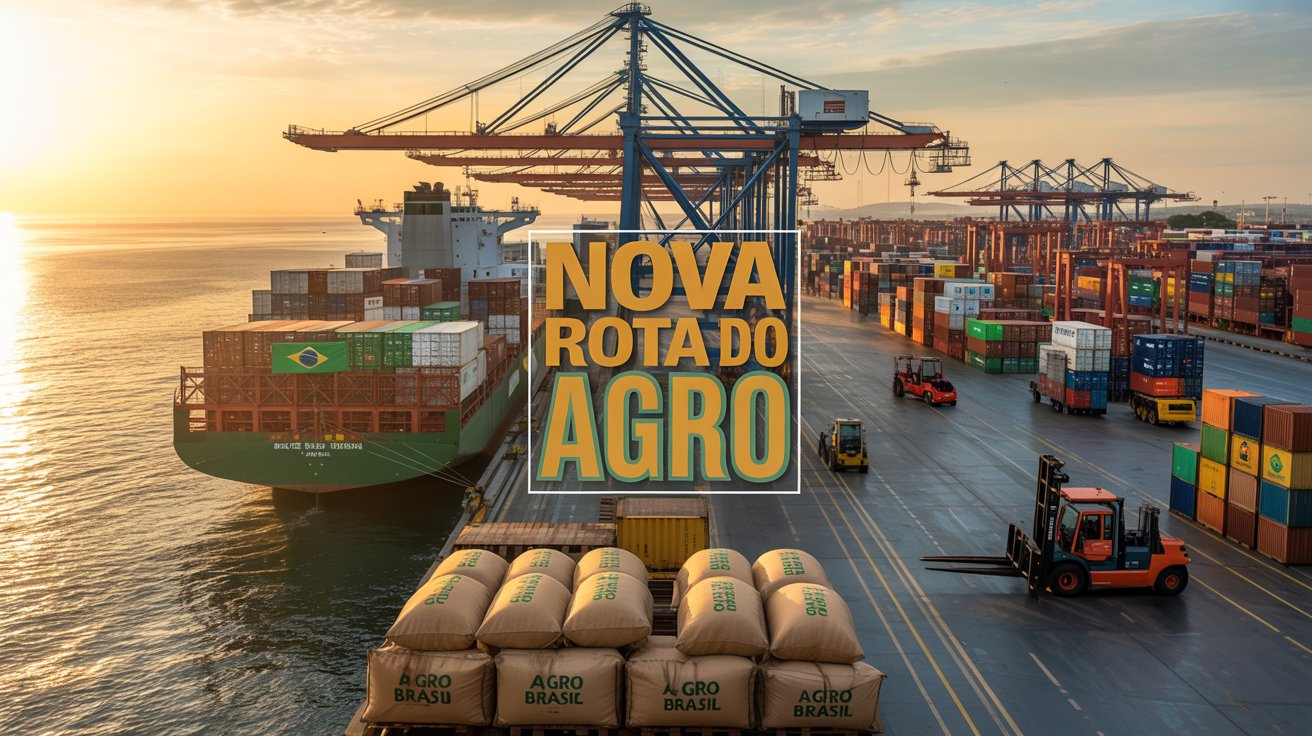
Brazil Expands International Presence of Agriculture with New Export Authorizations for Four Countries and Seeks to Circumvent 50% Tariffs Imposed by the United States.
Brazil has expanded agribusiness access to four new markets in United States, Iran, Saint Lucia, and Uruguay, according to an announcement from Itamaraty on October 17.
The decision allows selling to Americans plant-based dog food, sending to Iran zucchini and watermelon seeds, supplying Saint Lucia with poultry, pork, and beef and their derivatives, and providing Uruguay with eucalyptus, olive tree seedlings, and ora-pro-nóbis plants.
This move comes as Brazil and the US address a 50% tariff imposed by Washington on some Brazilian products, which adds political and economic weight to the openings.
-
After BYD and others, China invades Brazil with giant tractors of up to 700 hp, 50% fuel savings, and a billion-dollar factory planned after Zoomlion projects R$ 500 million in sales in Brazilian agriculture.

-
China buys 1.1 million tons of beef in four months, an increase of 25.75%, and Brazil leads with 612.87 thousand tons

-
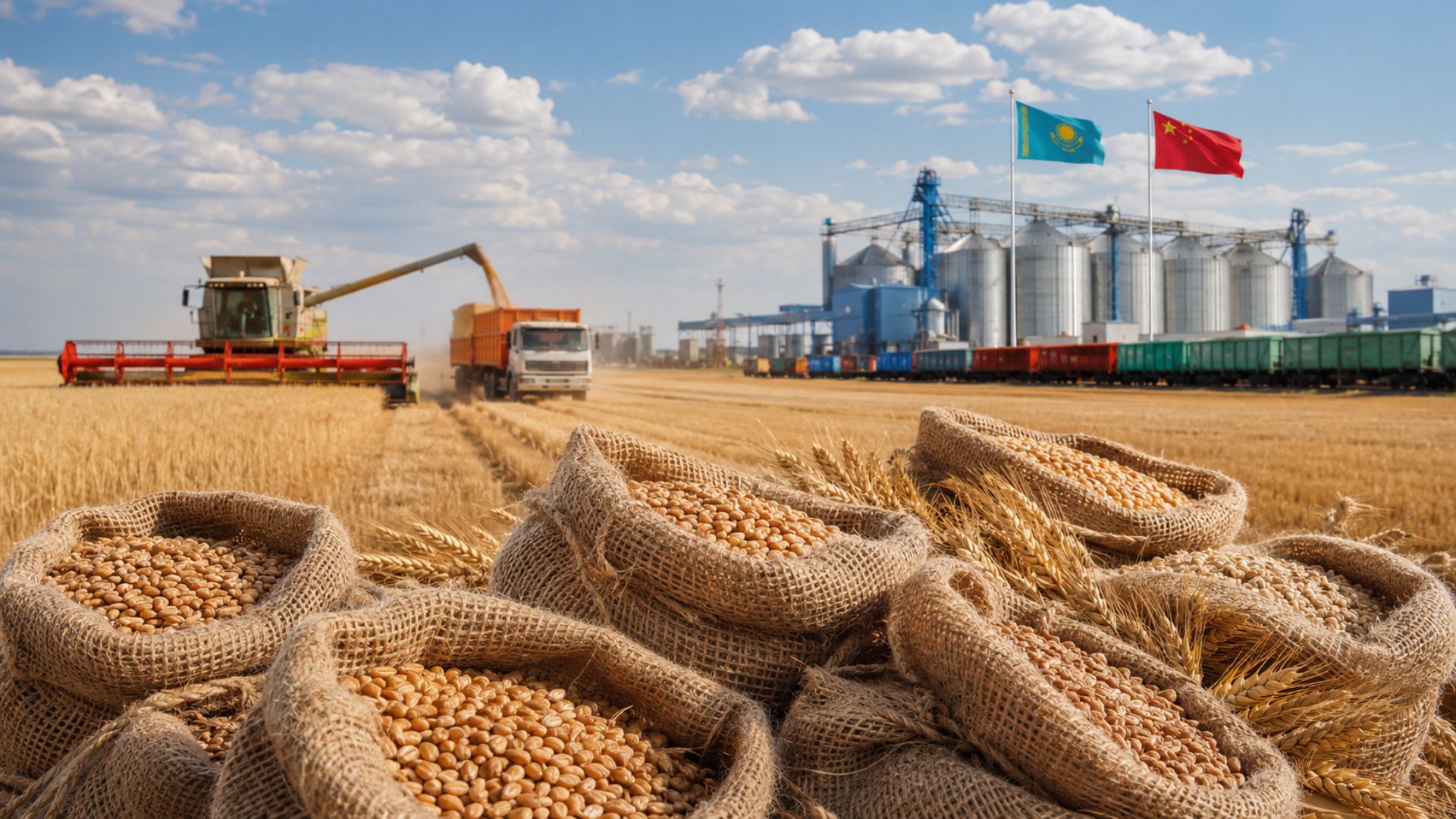
While the world discusses geopolitics, China is quietly closing a deal with its Kazakh neighbor to secure grain supplies during any global food crisis, with more than 3,600 Kazakh companies already able to export directly to the Chinese market.
-
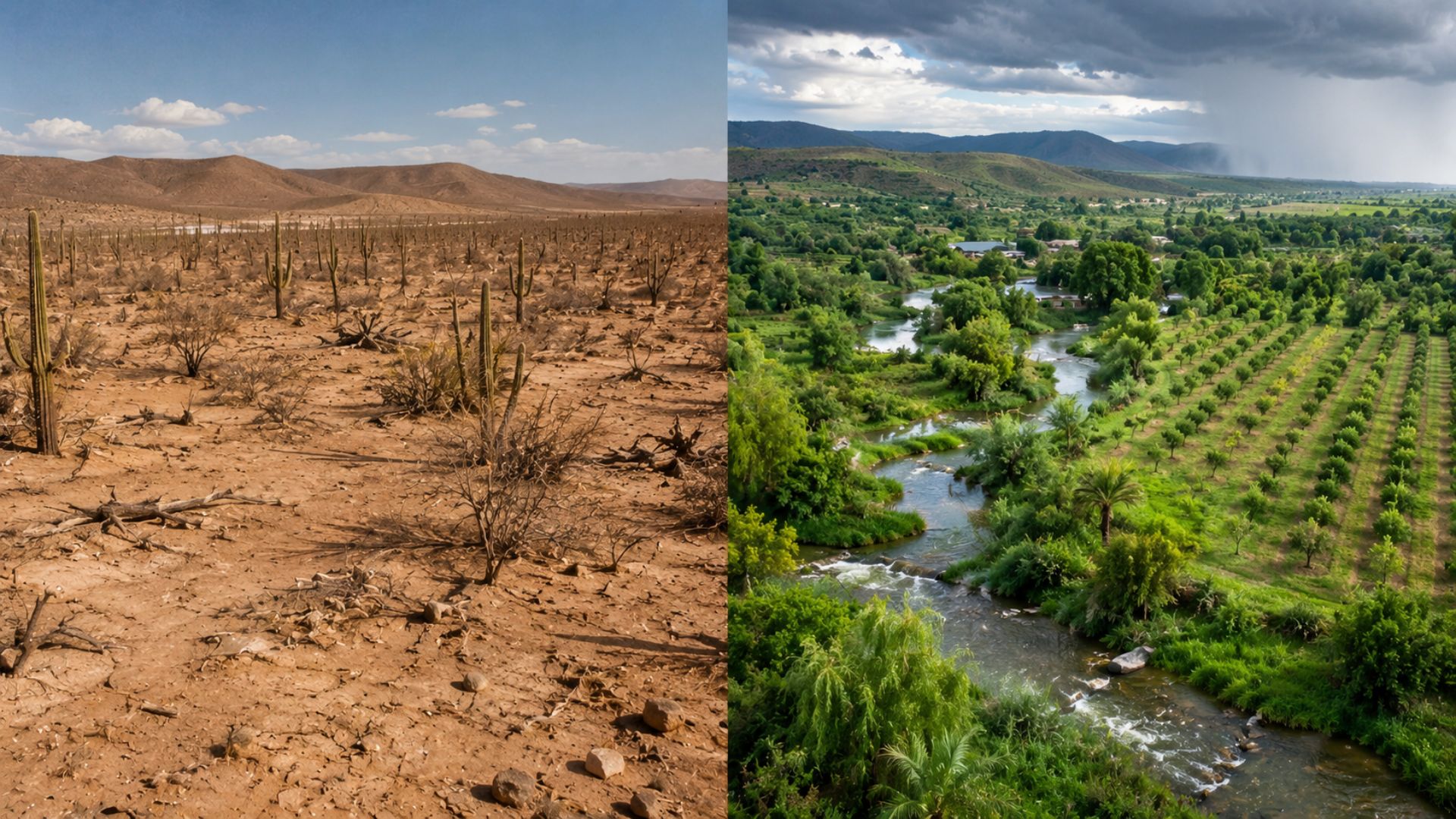
A farm in the Mexican desert has become so green that today it has rivers flowing year-round and even rain in the dry season, all thanks to a technique that transforms dead sand into fertile soil with manure, mountain microorganisms, and what farmers call the secret soil formula.


Opening in the United States: Plant-Based Pet Food
According to the federal government, the expansion was built through technical negotiations conducted jointly by Itamaraty and the Ministry of Agriculture, involving exchanges of sanitary information, inspections, and harmonization of requirements.
In the case of the United States, authorities accepted imports of plant-based pet food made in Brazil, a high-growth niche driven by consumers seeking formulations without animal protein.
Between January and September 2025, Brazilian agribusiness sales to the US reached over US$ 9 billion, a level that reinforces the potential for diversification even under a tougher tariff environment.
Iran Authorizes Export of Brazilian Seeds
Meanwhile, Iran has authorized the purchase of zucchini and watermelon seeds.
The measure deepens trade already sustained by items such as corn, which accounts for a significant portion of the flow.
Brazilian agribusiness exports to the Iranian market exceed US$ 1.8 billion year-to-date, although the trade flow remains asymmetric, with a predominance of Brazilian shipments of beef and its derivatives.
The release of seeds expands the range of products and tends to reduce dependency on a few items.
Saint Lucia and Its Strategic Role in the Caribbean
In Saint Lucia, a member of the Caribbean Community, there has been sanitary validation for poultry, pork, and beef, as well as their processed products.
This is a small market in terms of domestic consumption, but relevant as a distribution point for Caricom islands.
From January to September 2025, Brazil exported over US$ 216 million in agricultural products to countries in the Caribbean bloc.
The qualification in Saint Lucia may serve as a showcase of sanitary compliance for neighbors, facilitating new certifications in the region.
Uruguay Opens Market for Ora-Pro-Nobis and Seedlings
Uruguay has authorized the import of eucalyptus and olive tree seedlings and the ora-pro-nóbis plant.
Bilateral agribusiness trade totals over US$ 719 million this year, primarily involving animal protein, forest products, mate tea, fibers, and textiles.
The inclusion of ora-pro-nóbis — a non-conventional food species used in gastronomy and industry — strengthens the exchange of propagative materials and broadens opportunities for Brazilian nurseries and bio-industries.
Technical Process and Sanitary Requirements
Negotiations of this type require technical dossiers, audits, and proof of sanitary equivalence.
In the case of plant-based pet food to the US, considerations included the traceability of inputs, controls of mycotoxins, and label standardization.
For seeds intended for Iran, Brazil needed to demonstrate phytosanitary protocols against quarantine pests and ensure certification of origin and batches.
In Saint Lucia, openings for meats depended on the verification by the Federal Inspection Service, animal welfare programs, and Hazard Analysis and Critical Control Points systems.
In Uruguay, authorizations for seedlings involved requirements for pest-free nurseries, laboratory testing, and plant quarantine.
Tariffs and Trade Tension with the US
The new licenses arrived in a context of trade tension with the United States.
In August, a 50% tariff came into effect for some Brazilian imports, a measure that the Brazilian government is attempting to reverse through negotiation.
The specific opening for plant-based pet food does not eliminate the effects of the tariff but signals a willingness to keep technical channels open and untangle specific knots of interest to both sides.
The sector’s reading is that by multiplying sanitary and phytosanitary concessions, Brazil reduces the risk of concentration in a few destinations and products, which helps to cushion tariff or political fluctuations.
Economic Impacts and Opportunities for Agriculture
There are also immediate practical effects.
For the pet food industry, entry into the North American market — the largest in the world by revenue — allows for scaling plant-based lines that have been gaining traction in the domestic market.
For the horticultural seeds segment, validation in Iran creates an opportunity for recurring contracts with local distributors, especially in short-cycle, high-demand crops.
The meats approved for Saint Lucia can occupy niches in hotels, restaurants, and regional catering, with container logistics from the North and Northeast.
And Brazilian nurseries, with eucalyptus, olive tree, and ora-pro-nóbis seedlings for Uruguay, are likely to expand their portfolio, including supply to neighboring producers.
International Recognition and Sanitary Challenges
Besides opening doors, the authorizations reinforce Brazil’s sanitary image.
Each completed audit and each signed protocol term function as international endorsement of surveillance systems, official laboratories, and traceability.
At the same time, they demand maintenance of standards: any incident — whether contamination or documentary nonconformity — can lead to suspension.
Therefore, industries and government often establish contingency plans to respond to alerts and preserve the newly acquired certification.
Commercial Expansion Strategy and Next Steps
The government strategy has been to add openings of low and medium regulatory risk — such as seeds and plant-based feed — to more sensitive negotiations, such as those involving animal protein in demanding markets.
In parallel, economic diplomacy is being strengthened to reduce barriers and seek recognition of equivalences.
Although “new markets” do not mean automatic sales, experience shows that once the sanitary stage is overcome, companies can advance with registrations, private certifications, and label adjustments, getting closer to contracts.






Be the first to react!