Portuguese
  Spanish


Amid Cyclones, Floods, and Quagmires, Australian Truck Drivers Face Dangerous Journeys to Keep Supplies Flowing to Isolated Communities in the Outback
In the vast network of highways in the Australia, transporting cargo goes far beyond the paved road. Facing cyclones, flooding, and mud, truck drivers endure a routine that demands courage, skill, and resilience.
Cyclones and Floods: Constant Enemies
During the rainy season, tropical cyclones hit with force. A historic example is Cyclone Yasi, which in 2011 generated winds of up to 285 km/h and flooding that rendered major highways impassable, halting transport for days.
More recently, ex-Cyclone Alfred left over 300,000 people without power in Queensland and water levels at dangerous heights, blocking main roads.
-
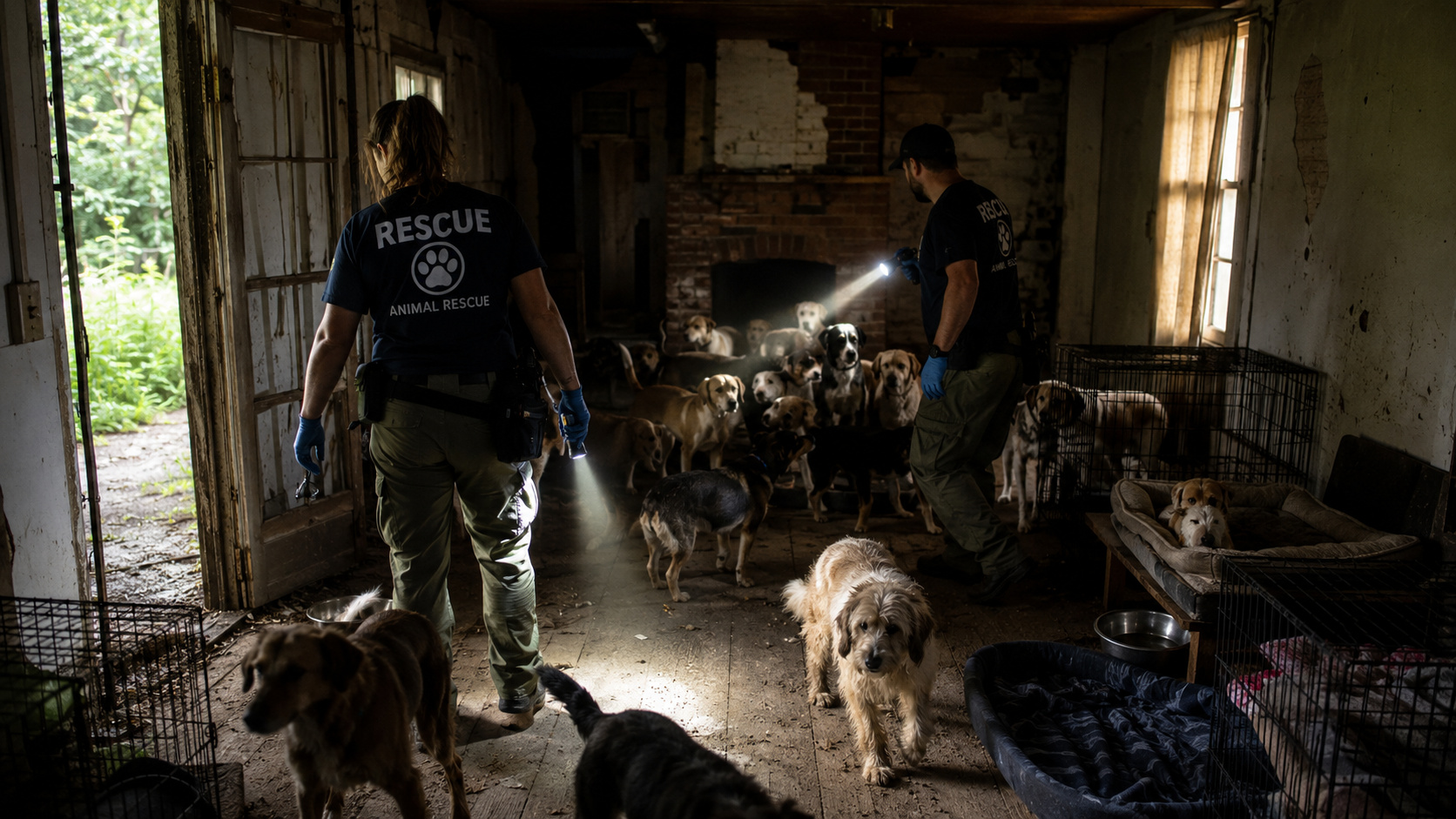
Rescue Teams Use Flashlights to Find 47 Dogs in Abandoned, Powerless U.S. Home, Offering Them a Fresh Start Through Responsible Adoption

-
Siblings Discover 1939 Superman Comic in Late Mother’s Attic, Sets Record at $9.12 Million Auction

-
12-Year-Old Discovers 80-Million-Year-Old Marine Tylosaurus Fossil During Kansas Field Trip
-
At 24, Beatriz Becomes First Woman from Mato Grosso to Work on Live Power Lines with Energisa, Starting as a Meter Reader in 2022


In flooded sections, heavy trucks turn roads into treacherous paths.
The water hides deep holes and stretches of mud. Sometimes, crossing only returns to normal when the water level drops — which can take days.
Mud and Dirt: Traps on the Route
On the dirt roads of the outback, rain turns the ground into thick mud. These locations, often remote, lack the infrastructure ready for use after storms.
Drivers report constant getting stuck. In accounts from the “Outback Truckers” program, truck drivers narrate how deep puddles — camouflaged under dirt — can swallow wheels and drag loads.
Decision-Making Under Pressure
Every journey requires risky decisions.
Truck drivers weigh between waiting for the water to recede for safety or crossing before their clients run out of supplies.
When they choose to cross, they maintain a constant speed to avoid getting stuck, even knowing that a misstep means stopping or even damaging the vehicle.
Resilience and Community
Many of these drivers rely on mutual support. Local communities, machine operators, and even fellow drivers mobilize for rescues and emergency repairs in the field.
This cooperation is vital in the outback of Australia, where quick assistance is rare.
Without these deliveries, entire regions — farms, mines, and remote communities — are left without fuel, food, and medicine.
Delays can mean severe economic losses. It is estimated that a single cyclone can cause billion-dollar damages to the state and impact entire logistics chains.