






 Portuguese
  Spanish
  3 min of reading
  0 comments


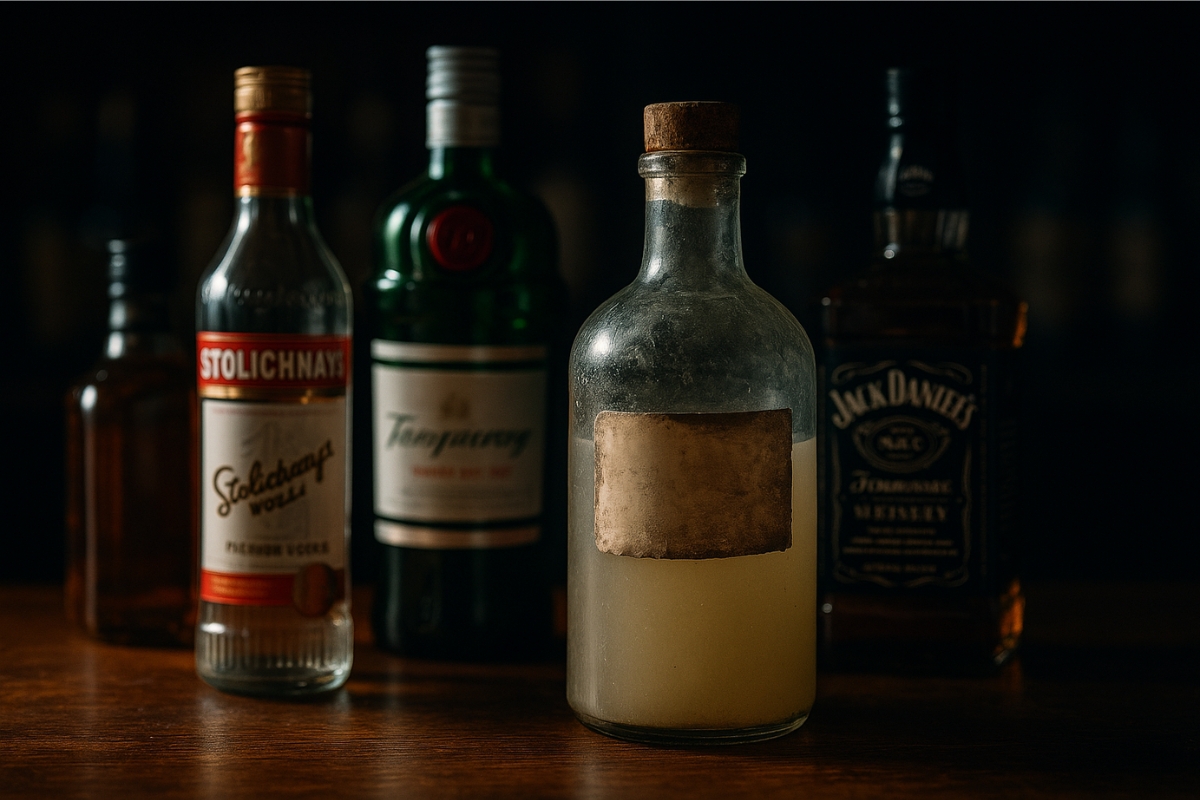
Brazil Faces an Outbreak of Adulterated Beverages with Methanol, a Toxic Substance That Has Already Caused Deaths and Blindness. Learn What Signs to Observe to Identify Risks and Avoid Tragedies
In recent months, Brazil has faced a concerning outbreak of alcoholic beverages adulterated with methanol. The problem, which has already resulted in cases of hospitalization and even deaths, has rekindled the alert for the importance of paying close attention to the origin of what is consumed.
The Advancement of Adulterated Beverages
In different Brazilian states, authorities have seized hundreds of bottles of untraceable beverages sold in bars, liquor stores, and even at private parties. In just a few days, thousands of suspicious units were collected.
The seriousness of the situation is such that health organizations have begun to require immediate notification of any case of poisoning. Today, the country has already surpassed the average annual number of occurrences in just a few weeks, showing the extent of the crisis.
-
Seen from above, Brøndby Haveby looks like a science fiction setting, but it is a real community near Copenhagen, with 24 garden circles, 284 plots, country houses, and rules that prevent residents from living there year-round.

-
How discarded Christmas trees are becoming “branch traps” on beaches, holding sand carried by the wind, rebuilding dunes, and transforming festive waste into natural storm defense along the Alabama coast in the USA.

-
Facing difficulties in filling positions in stores, distribution centers, and support areas, Carrefour started using the government’s social registry as a basis to recruit workers in vulnerable situations.
-
The man who stopped the desert: a farmer from Burkina Faso defied decades of drought with an ancestral technique ignored by agronomists and transformed dead land into a 40-hectare forest, with more than 60 species of trees, while his village was engulfed by sand in Africa.


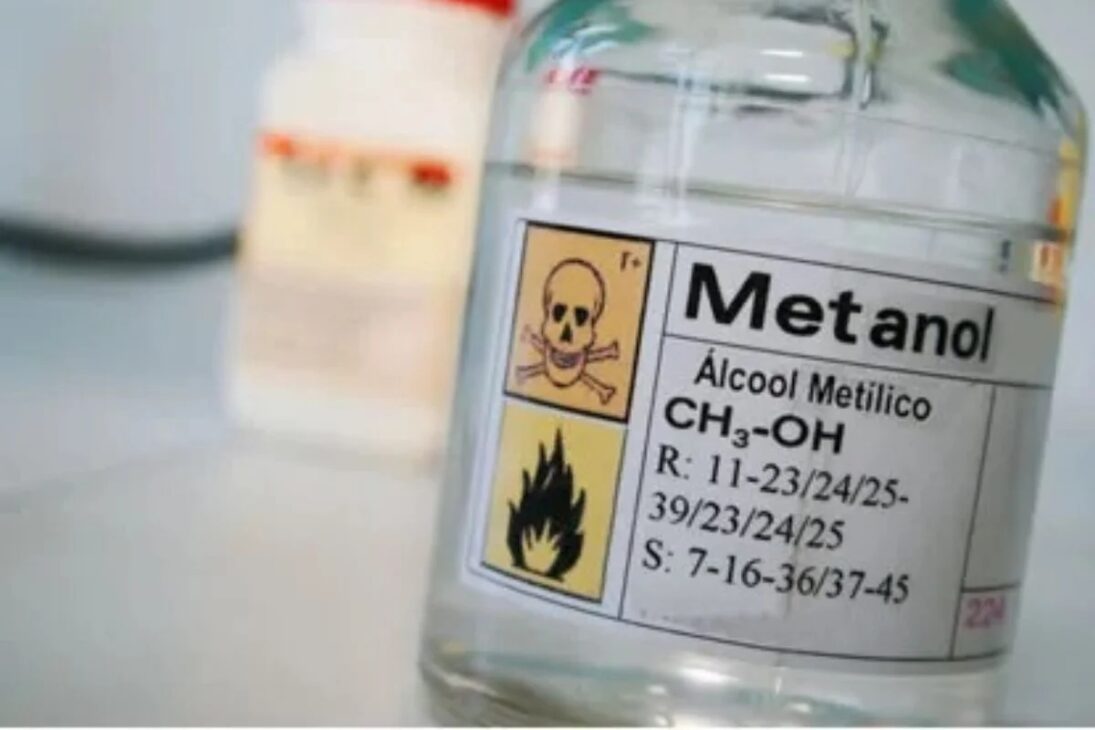
What Is Methanol and Why Is It So Dangerous
Methanol is a type of alcohol used in the chemical industry and in fuels, but should not be present in beverages intended for human consumption. When ingested, it transforms into extremely toxic substances capable of causing harm to the nervous system and the optic nerve.
Symptoms usually arise between 12 and 24 hours after consumption and include nausea, vomiting, abdominal pain, and dizziness. In more severe cases, the victim may lose vision, suffer seizures, or even die. The great risk is that methanol has no detectable smell or taste, making it nearly impossible to identify it by flavor alone.
Signs That May Indicate Adulteration
Although it is difficult to confirm the presence of methanol without laboratory analysis, some signs may raise suspicion:
- Beverages sold at prices far below normal.
- Bottles with crooked, broken seals, or poorly printed labels.
- Mandatory information missing on the label, such as batch, expiration date, or manufacturer details.
- Cloudy liquid with visible particles or strange coloration.
- Sales in informal locations without a receipt or guarantee of origin.
Even seemingly intact packaging may contain adulterated products, which reinforces the importance of caution.
What to Do in Case of Suspicion
Anyone consuming a suspicious beverage and experiencing symptoms should seek medical attention immediately. The faster treatment begins, the greater the chances of recovery.
It is important to inform healthcare professionals about the possibility of methanol poisoning and, if possible, bring the bottle used for analysis. It is also essential to notify the competent authorities to prevent others from being exposed to the same risk.
The Origin of the Problem
Investigations indicate that part of the methanol used in adulterations may originate from criminal networks diverting the product from illegal fuel markets. This connection would explain the volume of counterfeit beverages circulating in the country in a short period.
At the same time, experts warn that the number of counterfeit alcoholic beverages in Brazil is high, making regulation throughout the production and distribution chain even more urgent.
A Warning for Consumers
The current outbreak is a reminder that prevention starts at the point of purchase. Choosing reliable establishments, being suspicious of prices that are too low, and checking the integrity of packaging are simple measures that can save lives.
This is not about creating panic, but about recognizing that the risk is real. Consuming beverages of dubious origin is a dangerous gamble, and in times of methanol adulteration, caution is the best choice.




-

-

5 people reacted to this.