Portuguese
  Spanish





Using a 48Ah Automotive Battery and a Photovoltaic Solar Panel, Discover How to Operate a Tesla Fan (or Another Model) at Night, Providing Comfort Without Additional Electrical Energy Costs and Promoting a Sustainable Solution Independent of the Conventional Power Grid.
As hot nights become more frequent, the search for efficient and sustainable air conditioning solutions gains urgency. In this scenario, an innovative alternative emerges: using a photovoltaic solar panel in conjunction with a 48Ah automotive battery to power a Tesla fan at night. This system not only provides thermal comfort without burdening the conventional power grid but also aligns with environmentally responsible practices.
The process begins at dusk, with the Tesla fan prepared to operate at its maximum energy efficiency. Equipped to run on both alternating current (110/220V) and direct current (12V), this fan connects directly to the 48Ah battery, harvested from a car for testing purposes. This setup ensures continuous operation of the fan throughout the night, promising a cool and pleasant environment without resorting to grid electricity.
Role of the Photovoltaic Solar Panel
During the day, a photovoltaic solar panel comes into play, recharging the battery used the previous night. This virtuous cycle of consumption and recharge represents the backbone of the system, ensuring that the battery is always ready for another night of operation. A 30-amp charge controller, simulating the connection with the solar panel, ensures that the battery is optimally charged, preparing the system for another round of nighttime use.
-
Fired during apartheid and with a little borrowed money, an electrician started with a borrowed truck and transformed electrical services into a group connected to energy, real estate, and infrastructure in South Africa.

-
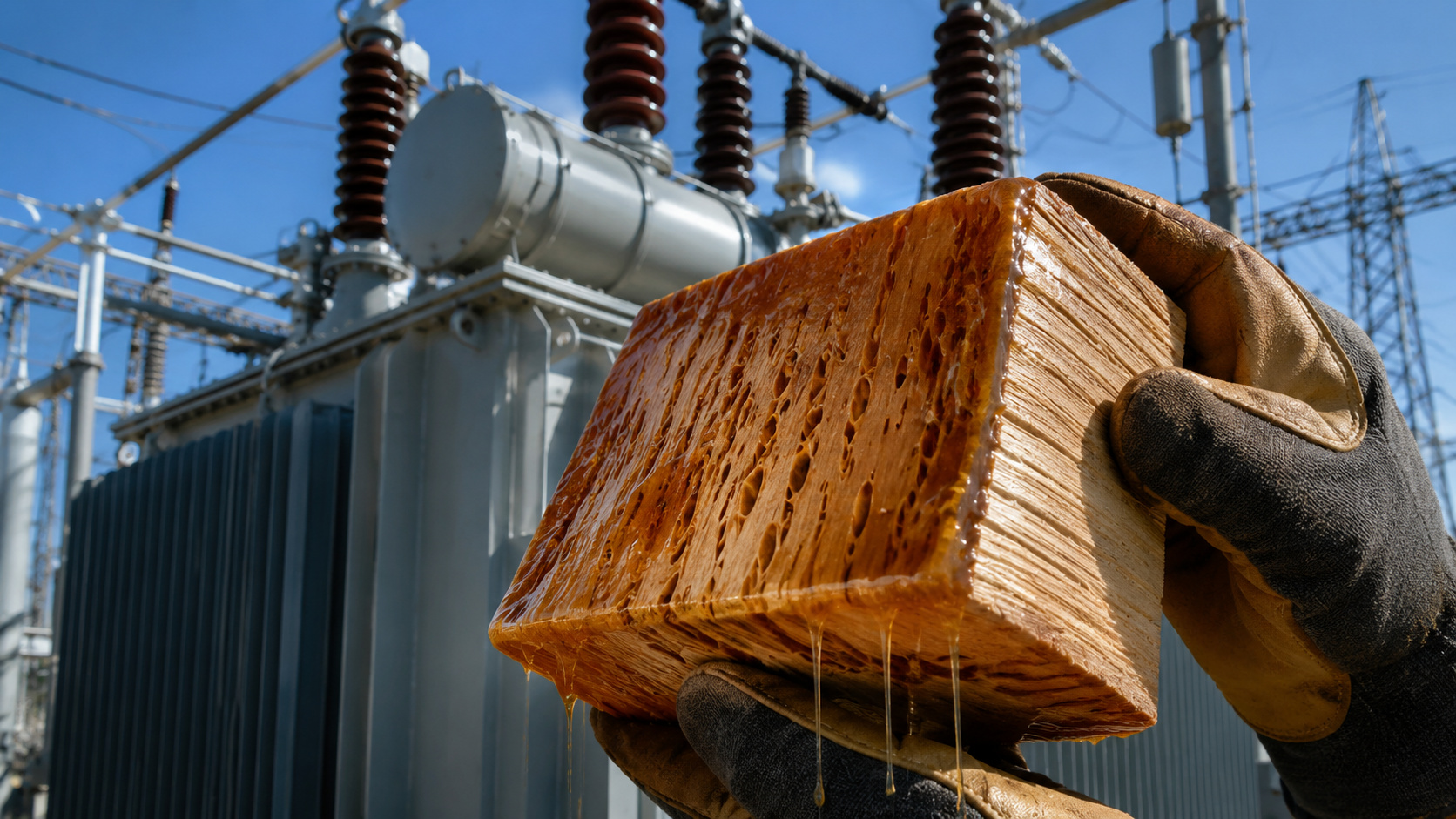
Wood has ceased to be just a construction material in Yale research and has become insulation for electrical transformers that face intense heat, aging, and increasing pressure from the renewable energy-powered grid.
-
More than 1,000 residents of a remote island in Kiribati now have clean water and electricity with solar systems operated by the community itself.
-
Ceará brings together 7 giants and R$ 66 billion to transform Pecém into the largest green hydrogen hub in Brazil, with final decisions expected by the end of 2026.



Remarkable Runtime of the Tesla Fan


The practical test revealed impressive results: with the 48Ah battery fully charged, the Tesla fan ran for approximately 9 hours at its maximum setting. This remarkable runtime illustrates the viability of the system for prolonged nighttime use, even in environments without access to the conventional power grid.
To ensure the sustainability of the charge and use cycle, it is crucial to select the appropriate solar panel and charge controller. Based on the consumption of 18 amps over 9 hours of fan operation, a 100-watt solar panel and a 10-amp charge controller are recommended. This arrangement ensures that the battery is efficiently recharged during the day, keeping the system ready for another night of operation.
Innovation in Domestic Comfort Management
This practical guide not only demonstrates how to power a Tesla fan at night without depending on the power grid but also emphasizes the importance of sustainability and innovation in managing domestic comfort. We encourage viewers to consider this effective and environmentally responsible solution, especially those in remote areas without access to conventional electricity. Share this solution with friends and family who may benefit from this innovative system, promoting the conscious use of resources and energy autonomy.
Does the Innovation Apply to Other Fan Models?
This innovation and feeding method is not limited exclusively to a Tesla fan; it can be applied to other fan models that can operate on 12 volts in direct current. This opens up a range of possibilities for users seeking sustainable alternatives for cooling, especially in isolated areas without access to the conventional power grid or for those looking to reduce energy consumption from non-renewable sources. The key lies in the compatibility of the fan with the voltage provided by the car battery, along with the capacity of the photovoltaic solar system to recharge this battery, making the solution widely viable for a variety of applications and fan models.