






 Portuguese
  Spanish


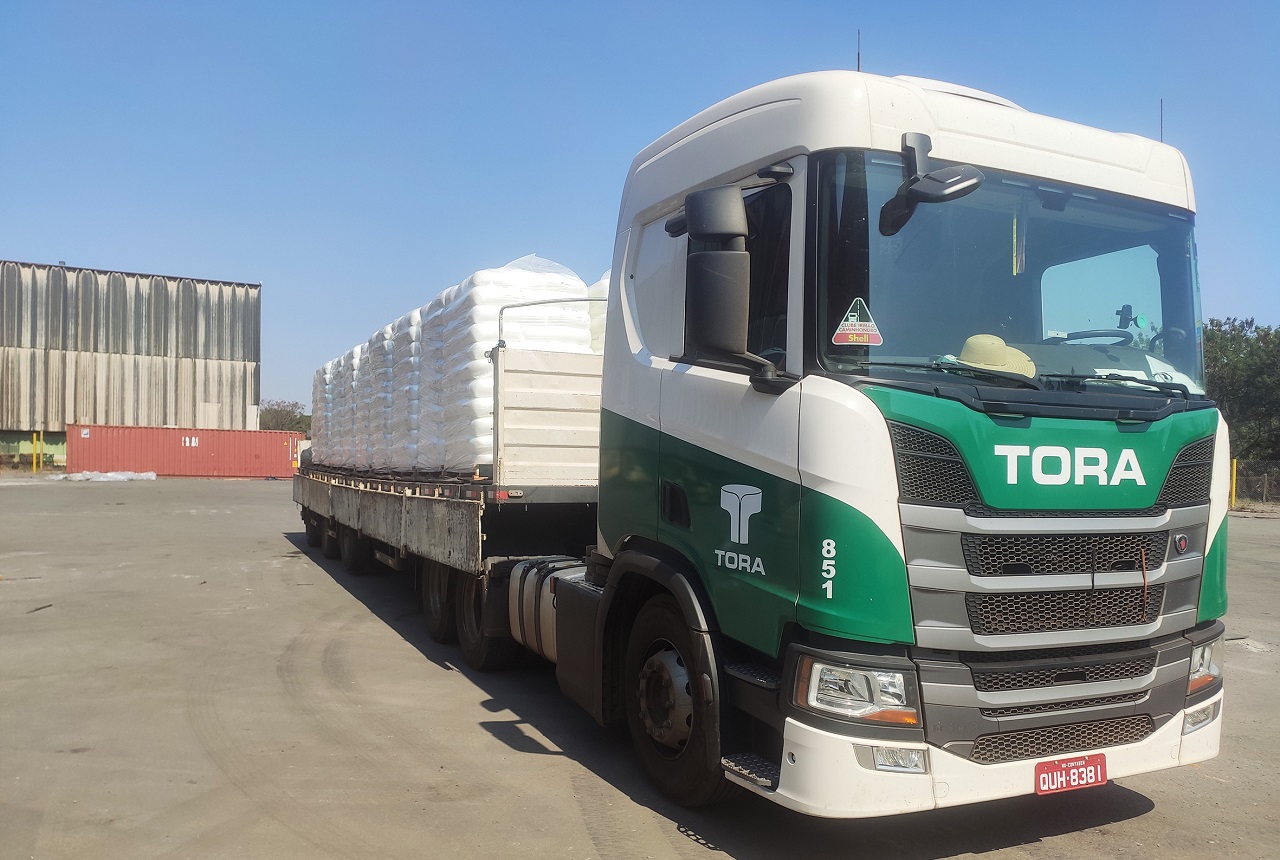

Company Opened Branch at Pecém Port in Ceará, Aiming to Triple Cargo Movement at the Site This Year; Investments to Grow in the Segment Amount to R$ 30 Million
Following a business diversification process, Tora has been seeking new partnerships to expand its integrated container logistics and multimodality operations. To grow in this segment, the company is investing around R$ 30 million in infrastructure expansion, opening new branches, and acquiring machinery. This sector is in full development: according to a survey by the National Agency for Waterway Transport (Antaq), 160 million tons of cargo were transported by cabotage from January to October 2020 in the country.
- Petrobras Interested in Two Pre-Salt Areas at the October Auctions
- Pre-Salt Auction Rounds in November in Brazil Will Feature Intense Competition Among Major Global Operators
- TechnipFMC Wins a Major Contract from ConocoPhillips in the North Sea
- Investments in the Container Terminal at Santos Port Will Generate Jobs
One of Tora’s strategies for expansion was the opening, at the end of last year, of a branch at Pecém Port in the metropolitan region of Fortaleza (CE). For this year, the goal is to triple the number of containers transported at the site. “We were already operating in Bahia, Sergipe, Alagoas, and Pernambuco, and now we are entering another state in the Northeast, with great growth prospects,” says Tora’s commercial director, Márcio Medina.
Tora’s work consists of complementing, through the road modal, the services provided by cabotage and railway companies. In this context, Tora’s role is to collect empty containers, transport them to the customer, load them, and return to the port. “We are increasingly working to meet the demands of new transport modalities, which consolidates us as a multimodal operator (OTM),” declares Medina. He mentions that, for this purpose, Tora has been partnering with cabotage, navigation, and railway companies.
-
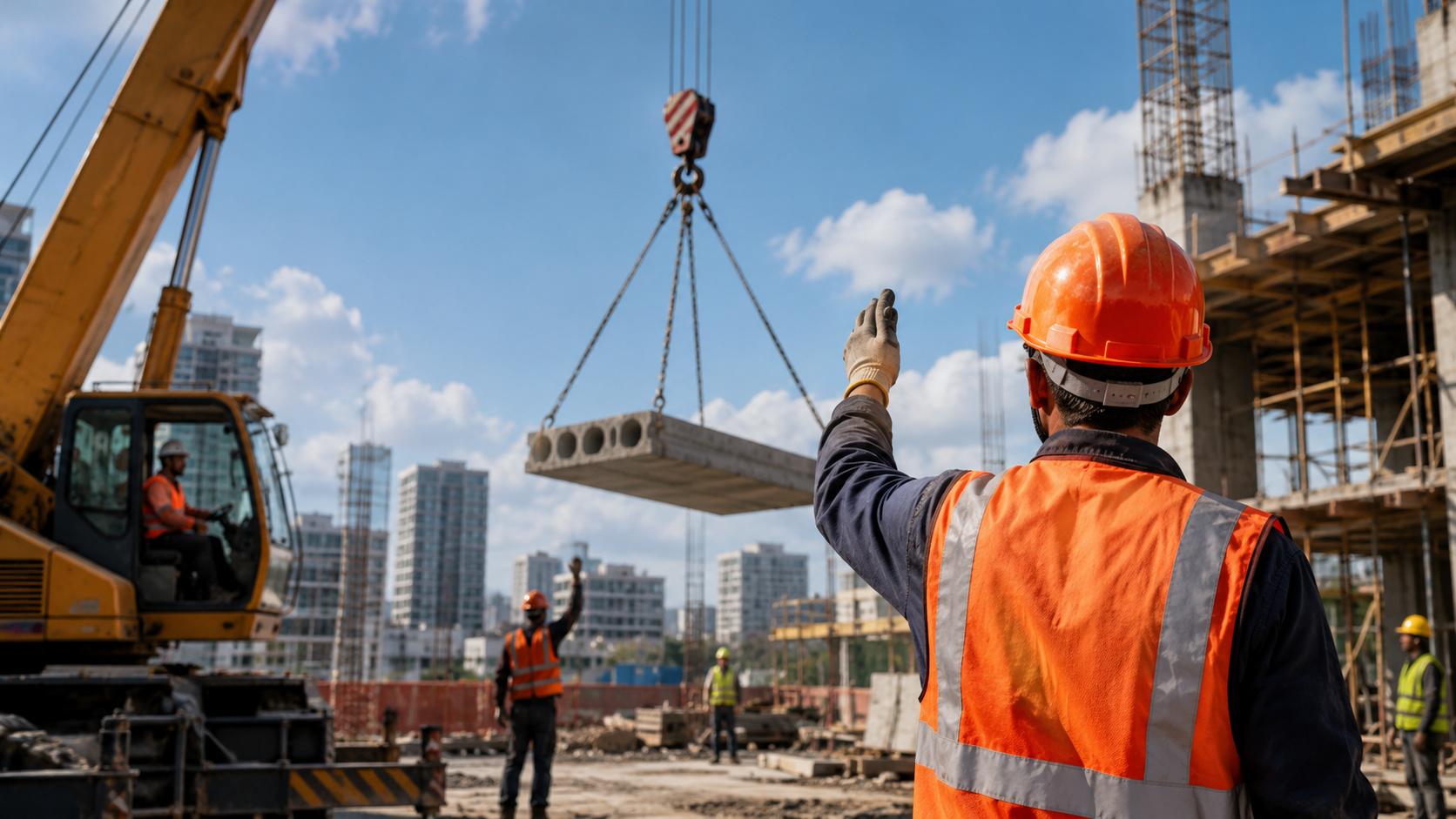
Why can the crane operator only obey the correct signalman on the construction site: among dozens of workers, a hand raised by the wrong person can confuse the maneuver and turn a load of tons into an immediate risk.

-
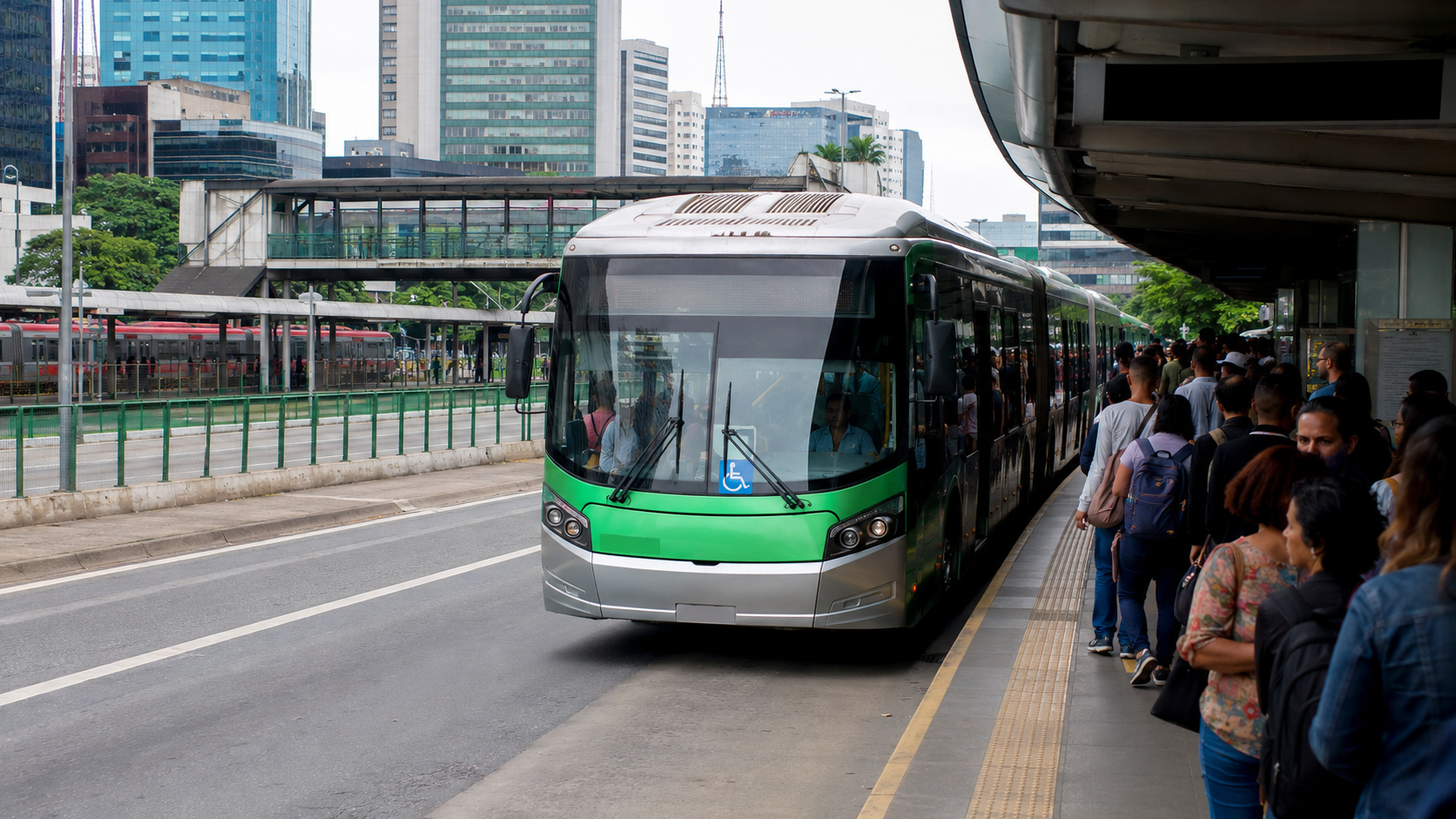
What changes with the new public transportation rules that can reduce pressure on fares and pave the way for zero fare in Brazil?
-
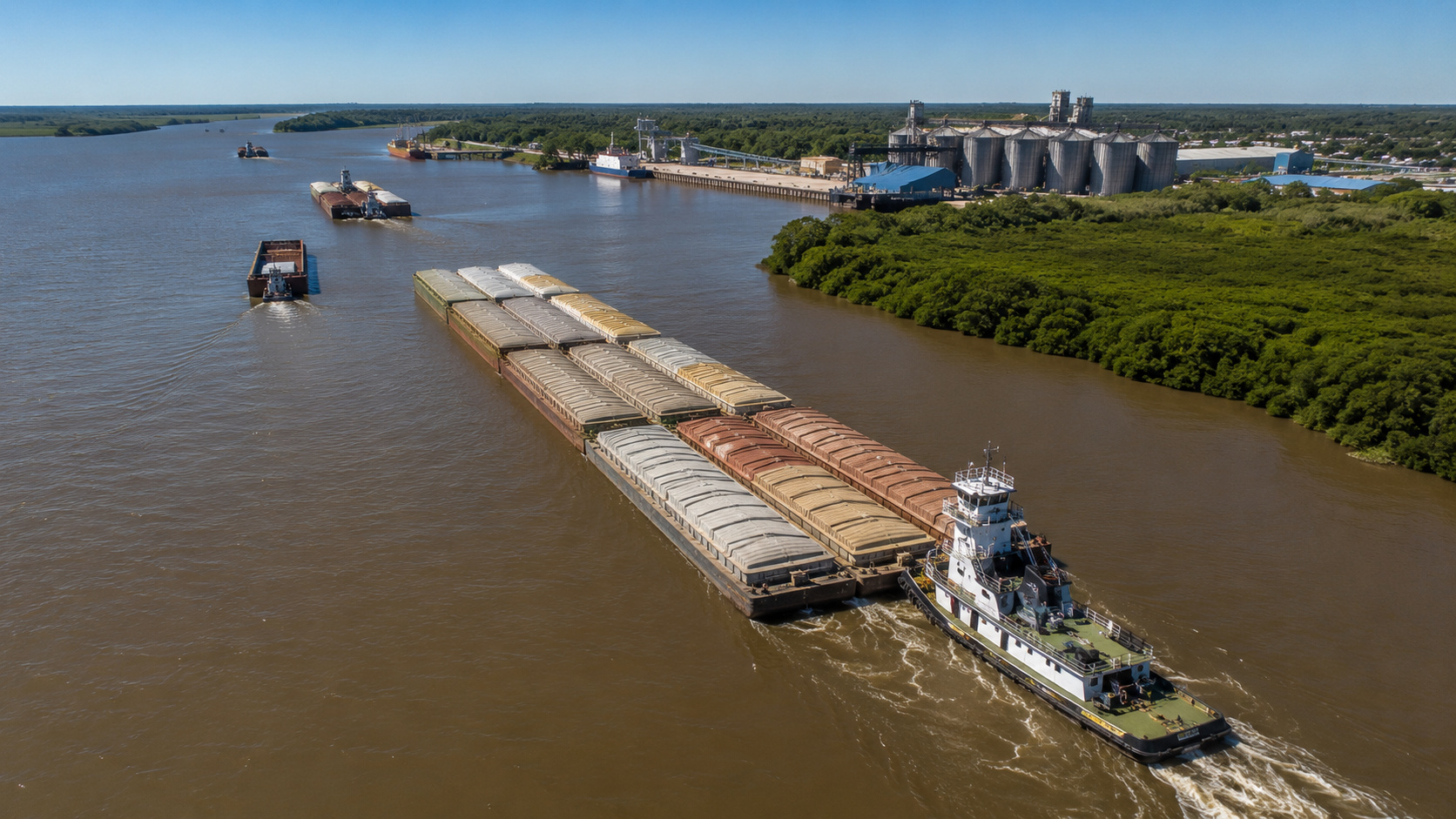
Argentina confirms Belgian giant to lead strategic Paraná River waterway and promises to reduce logistical costs on one of South America’s most important routes
-
MBRF surprises the logistics sector by demonstrating how Artificial Intelligence can directly influence deliveries throughout Brazil by reorganizing distribution routes in seconds, optimizing fleet usage, reducing logistics costs, and speeding up product arrivals even in the face of unforeseen road incidents.
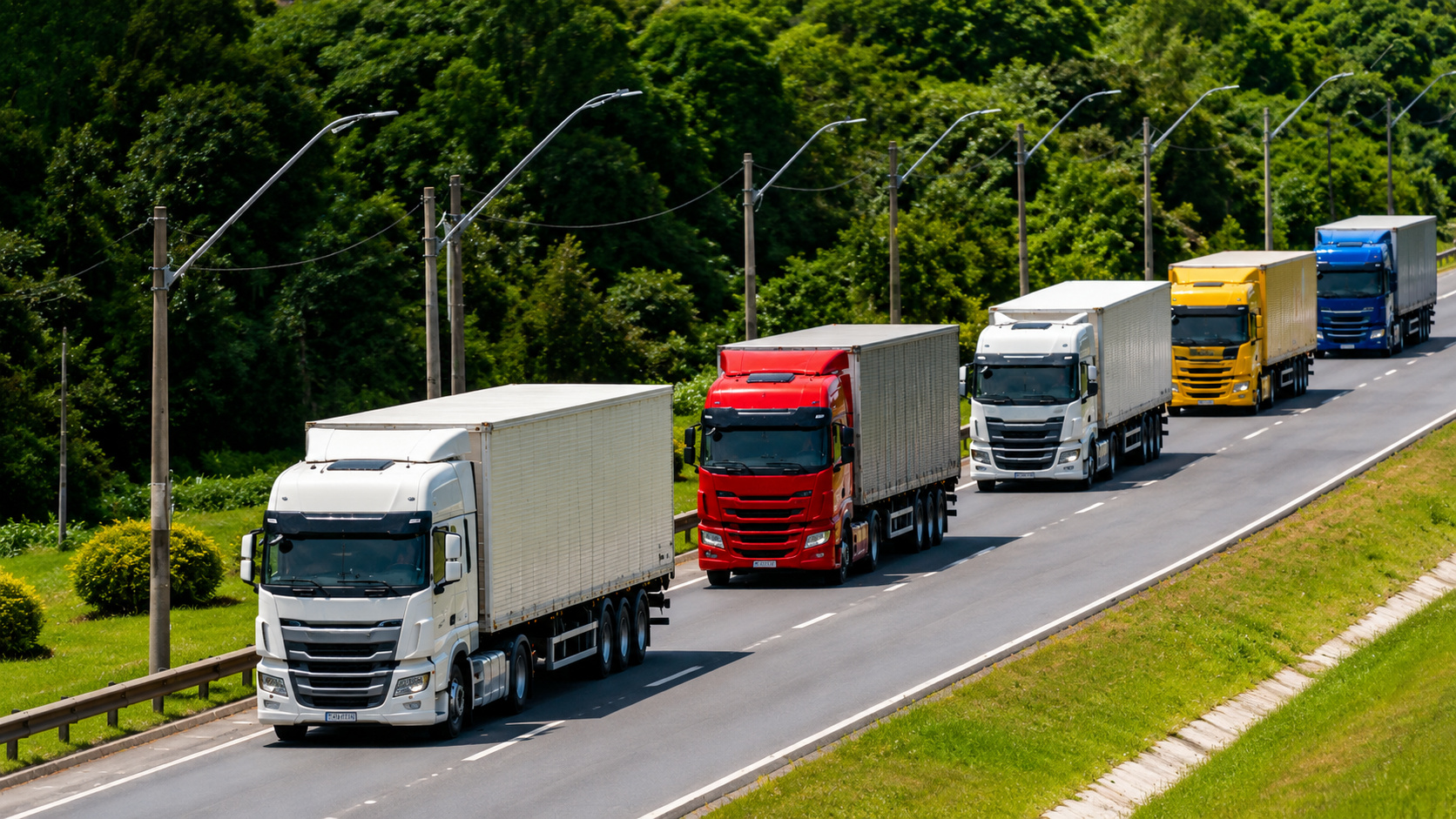
One of the partners is Log-In Logística Intermodal — a company that operates cabotage navigation, port handling, and customized logistics solutions — with which Tora has already been operating cabotage for containers at the ports of Santos and Salvador since the beginning of last year and now at Pecém Port. “Our strategy is to offer customers a door-to-door solution: in addition to cabotage navigation, we also depend on the road modal to collect from the shipper and deliver the cargo to the consignee. Tora provides a service that prioritizes safety, excellence in service, respect for the customer, and is always attuned to new technologies, values shared by our company as well. Without a doubt, it is a partnership that has the potential to be expanded nationally,” states Felipe Gurgel, Customer Service Director at Log-In.
According to him, Log-In serves the main ports along the Brazilian coast and has clients that demand cabotage operations. “This is a promising modal, as the country has over 8,000 kilometers of navigable coastline. It is also more sustainable, as it significantly reduces carbon emissions in long-distance truck transport and is safer due to shorter road segments. Therefore, we need to promote the use of more appropriate modalities for each logistics demand from the customer. In longer distances, such as those close to the coast, for example, maritime transport of cargo between national ports can be more efficient,” adds Gurgel.
At the end of last year, the project of law (PL 4,199/2020), also known as “BR do Mar,” was approved by the Chamber of Deputies, aiming to stimulate transport by the maritime modal. Currently under discussion in the Senate, the proposal is to transform the Brazilian coast into a true transport point for cabotage. Among the goals of the Ministry of Infrastructure, through the PL, is to increase the annual cargo of containers transported from 1.2 million TEUs (movement in 2019) to 2 million TEUs by 2022. It also aims to increase the capacity of the maritime fleet dedicated to cabotage by 40% in the next three years.
Road-Rail Modal Rio-SP
Another multimodal service from Tora, launched in 2020, is a project in partnership with MRS Logística to connect Rio de Janeiro and São Paulo without needing to travel on the Dutra highway. The services offered include collection, unloading, cross-docking, and urban distribution of any type of cargo.
Currently, Tora operates road-rail terminals in Rio de Janeiro (Arará) and São Paulo (Itaquaquecetuba and Suzano). Between July and December of last year, the company invested about R$ 12 million in Itaquaquecetuba. The investment in machinery reaches R$ 8 million.
As Márcio Medina explains, Tora handles the road sections, operates the terminals in Rio and SP, and provides the containers; MRS handles the railway transport. “We offer customers the complete door-to-door service. The advantages are numerous, as the customer contacts only one supplier, has greater ease in managing accounts payable, has insurance coverage for the cargo and container, incurs lower costs in the logistics chain, has greater transport capacity, and enjoys reliability and predictability in collections and deliveries, along with a lesser environmental impact,” emphasizes Medina.
About Tora
Founded in 1972, Tora is one of the largest integrated logistics solutions companies in the country, operating in the segments of road transport in Brazil and Mercosur, multimodal terminals, and bonded warehouses. It also maintains a division for the sale of used vehicles.
The company, with 1,500 direct employees and about 1,000 associate professionals, is headquartered in Contagem (MG). It has 61 branches in 12 Brazilian states and four abroad (two in Argentina, one in Chile, and one in Uruguay). Currently, it serves customers with a fleet of approximately 450 tractor units and 2,000 trailers monitored by modern technological resources.








