Portuguese
  Spanish


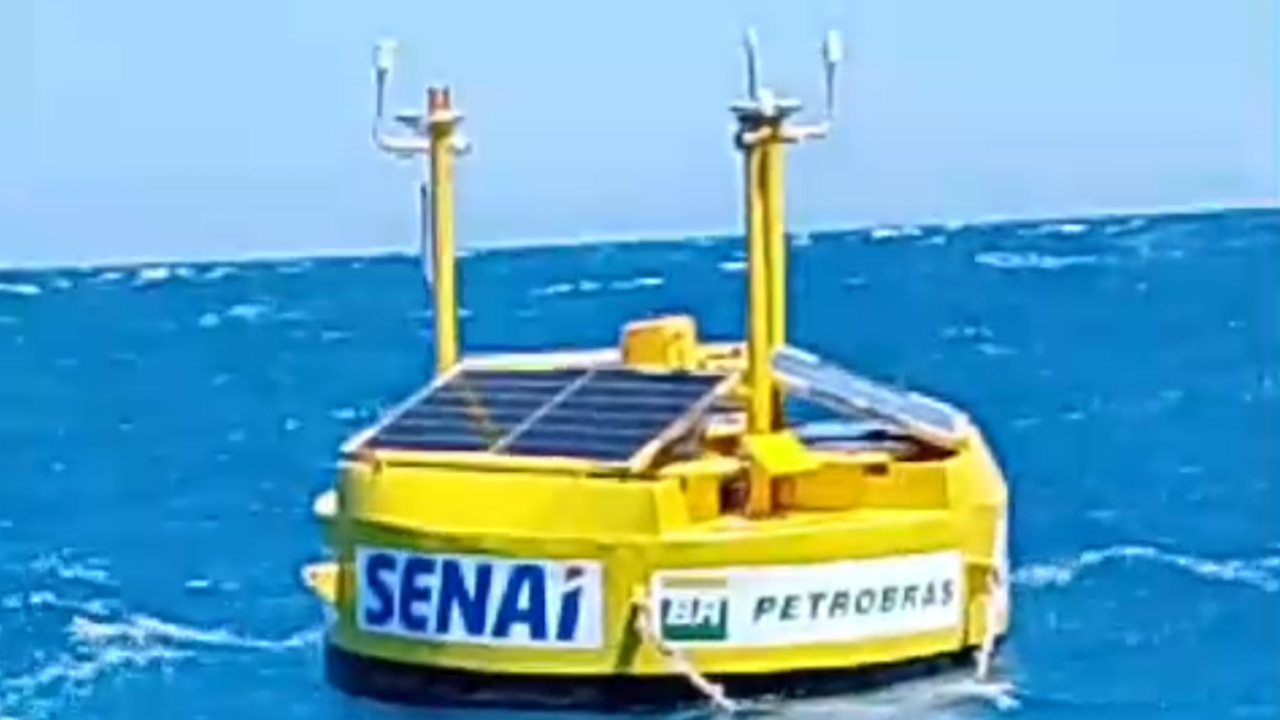

Fishermen from Pedra Grande (RN) Found a Petrobras Buoy Used for Offshore Wind Energy Studies in Traditional Fishing Area. Communities Report Lack of Prior Consultation and Experts Warn of Violation of ILO Convention 169.
A measuring buoy identified with the logos of Petrobras, SENAI, ANP, and BRAVO was found by artisanal fishermen off the coast of Enxu Queimado, in the municipality of Pedra Grande (RN). The equipment, part of an offshore wind energy project, appeared in a traditional fishing area without any prior dialogue or notice to the local communities.
The unexpected presence of the structure caused concern and anger among residents, who claim they were not informed about the nature of the experiment. The case reignites the debate about the right to Free, Prior, and Informed Consultation, outlined in the ILO Convention 169, to which Brazil is a signatory.
What is the Bravo Buoy and How Does It Connect to the Offshore Wind Energy Project
The so-called Remote Offshore Wind Assessment Buoy (BRAVO) is a high-tech device used to measure winds, waves, and other oceanographic parameters essential for the development of offshore wind farms.
-
Brazil filled the Northeast with wind turbines but now faces the side effect of 705 giant blades reaching the end of their lifespan by 2032 just in Rio Grande do Norte, while the world projects 43 million tons of waste by 2050.

-
Brazil has filled the Northeast with wind turbines, but now it faces the side effect of 705 giant blades reaching the end of their useful life by 2032 just in Rio Grande do Norte, while the world projects 43 million tons of waste by 2050.
-
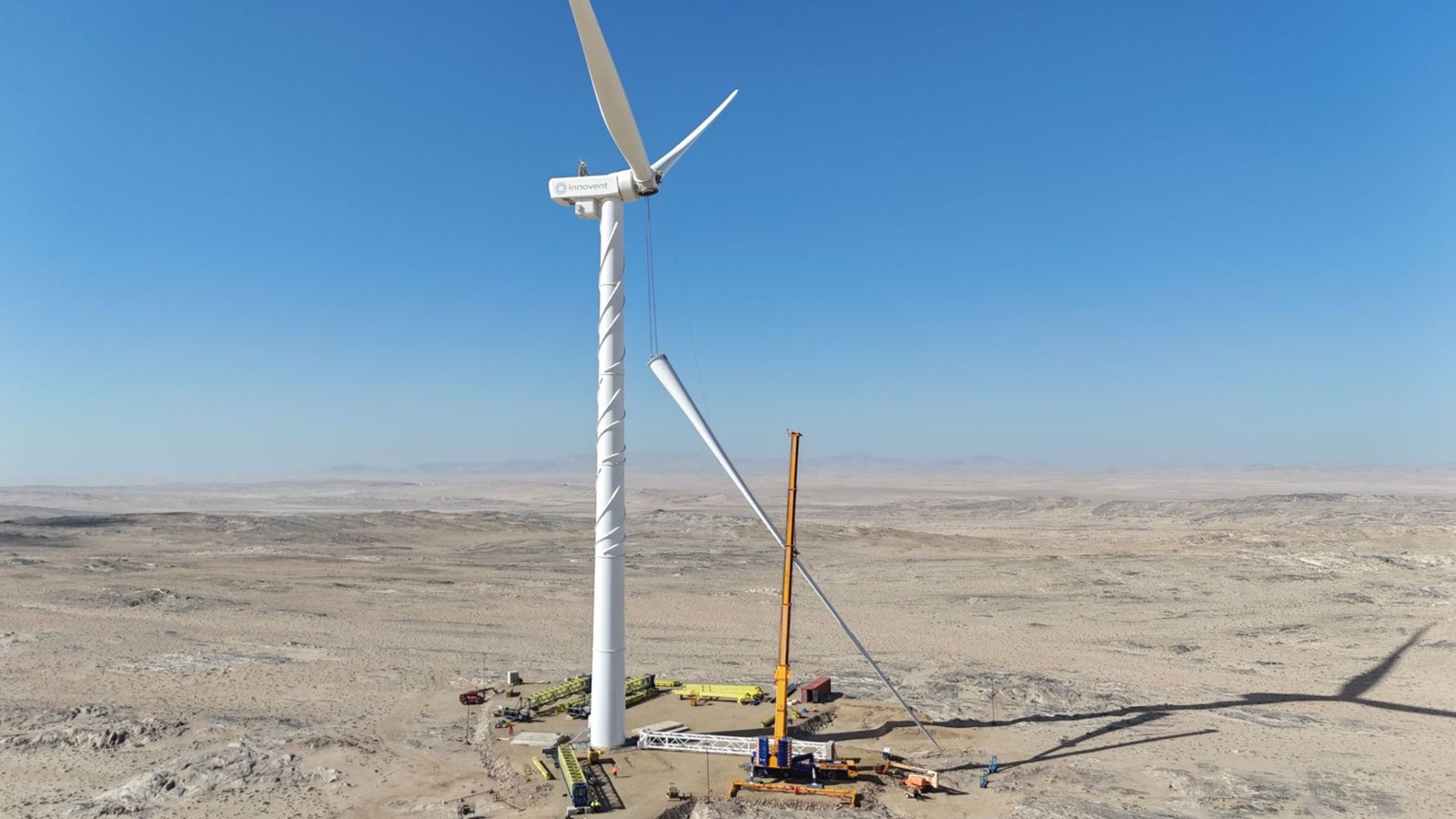
Wind farm in Namibia will have wind turbines assembled without giant cranes and is expected to avoid 200,000 tons of carbon dioxide per year when it becomes operational.

-
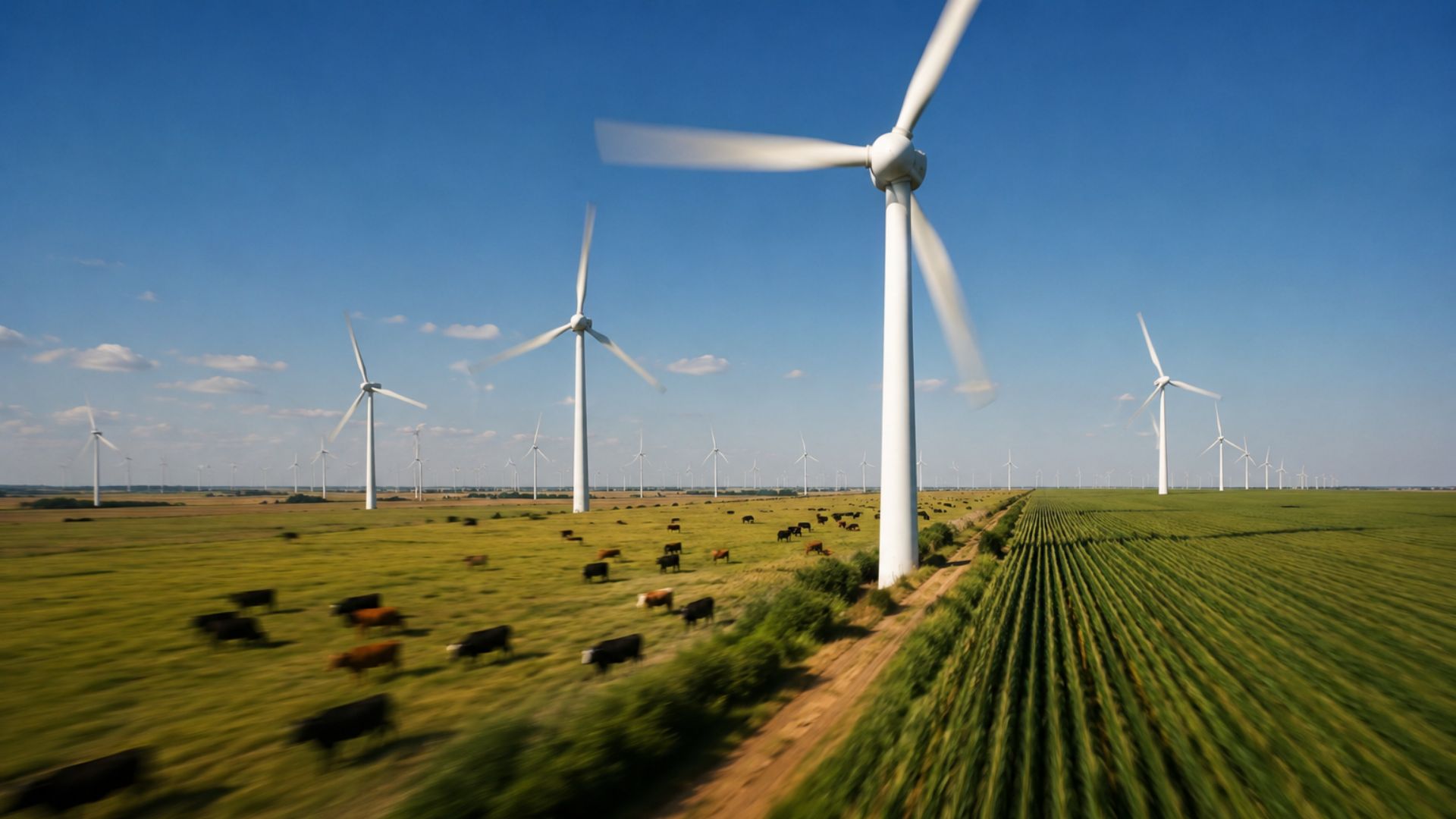
Taller than the Statue of Liberty, thousands of wind turbines are being planted in the middle of U.S. fields, creating two-story farms where corn and soybeans grow below while the wind turns into electricity above.


The project, according to official information from Petrobras, was created in partnership with the SENAI Innovation Institute and received millions in investments via Aneel, as part of the effort to boost the advancement of offshore wind energy in Brazil.
Public reports from the state company reveal that the testing campaign for Bravo 2.0 began about 20 km off the coast of Areia Branca (RN), with the support of the Brazilian Navy and the Areia Branca Saline Terminal. However, the appearance of the buoy in Pedra Grande, a neighboring municipality, indicates a possible uncommunicated expansion of the testing area, now within artisanal fishing territory.
For the communities, the lack of transparency and dialogue represents a serious breach in the process of implementing energy projects in coastal areas.
Communities Report Violations and Demand Respect for Territorial Rights
Local leaders and social organizations consider the episode a continuation of violations of fundamental rights. According to them, the manner in which the equipment was installed not only violates international treaties but also the trust built between public institutions and traditional populations.
Among the main irregularities pointed out are:
- Violation of ILO Convention 169: the lack of prior consultation violates a right guaranteed to traditional communities regarding any project that may affect their territories and ways of life.
- Disregard for traditional knowledge: artisanal fishermen possess detailed knowledge of currents, winds, and maritime behavior, crucial elements for environmental studies. The exclusion of these voices represents a loss of valuable scientific information.
- Lack of transparency: fishermen claim they were not informed about the buoy’s duration, potential environmental impacts, and risks to navigation and fishing.
- Environmental licensing disconnected from reality: although there is authorization from Ibama, community leaders assert that it did not adequately consider the presence of traditional communities in the affected region.
For the residents of Enxu Queimado, the case reflects a recurring pattern: large ventures advance over fishing areas without considering social and cultural impacts.
The Sea as a Territory of Life: Offshore Wind Energy and Just Transition
Brazil is experiencing a strong expansion of investments in offshore wind energy, considered one of the main bets of the global energy transition. However, experts and social movements warn that the transition cannot only be technological — it must also be socially just.
Fishing communities are the first to feel the changes caused by new coastal ventures. For them, the sea is more than a workspace: it is a territory of life, memory, and sustenance. The presence of equipment without consultation threatens this balance, turning the energy modernization process into a source of social tension.
“The sea is our field, our farm. We weren’t called to talk, we just saw the equipment appear,” reported a fisherman from the region. “No one explained what it is, whether it’s safe to fish nearby or if it poses any danger.”
Experts Point Out Failures in the Dialogue and Licensing Process
Researchers and environmental lawyers have also expressed concern about the episode. For them, the lack of prior consultation and effective dialogue is an error that may compromise the credibility of the entire clean energy agenda in the country.
According to environmental lawyer Camila Vasconcelos, an expert in socio-environmental rights, “the environmental licensing of offshore projects must follow international standards of social participation. Brazil, as a signatory of ILO Convention 169, has a legal obligation to conduct consultations before any intervention in traditional territories.”
She adds that the case in Enxu Queimado reveals a structural gap in Brazilian energy policy: “The country is advancing technologically, but has not yet consolidated governance mechanisms that ensure the leadership of affected communities.”
Fishermen Demand Removal of the Buoy and Opening of Transparent Dialogue
In light of the incident, local communities and social organizations have made a series of demands directed at Petrobras, SENAI, and regulatory bodies:
- Immediate public clarifications regarding the scope of the BRAVO project and the reasons for the buoy’s presence in Enxu Queimado.
- Temporary removal of the equipment until all consultation protocols are properly fulfilled.
- Initiation of a Free, Prior, and Informed Consultation process, with accessible language, adequate timelines, and respect for local traditions.
- Action by Ibama and the Federal Public Ministry (MPF) to investigate the irregularities and ensure that the rights of the communities are upheld.
The leaders emphasize that they are not against offshore wind energy, but rather against the unilateral decision-making model that disregards those who inhabit and work in the impacted territories.