Portuguese
  Spanish


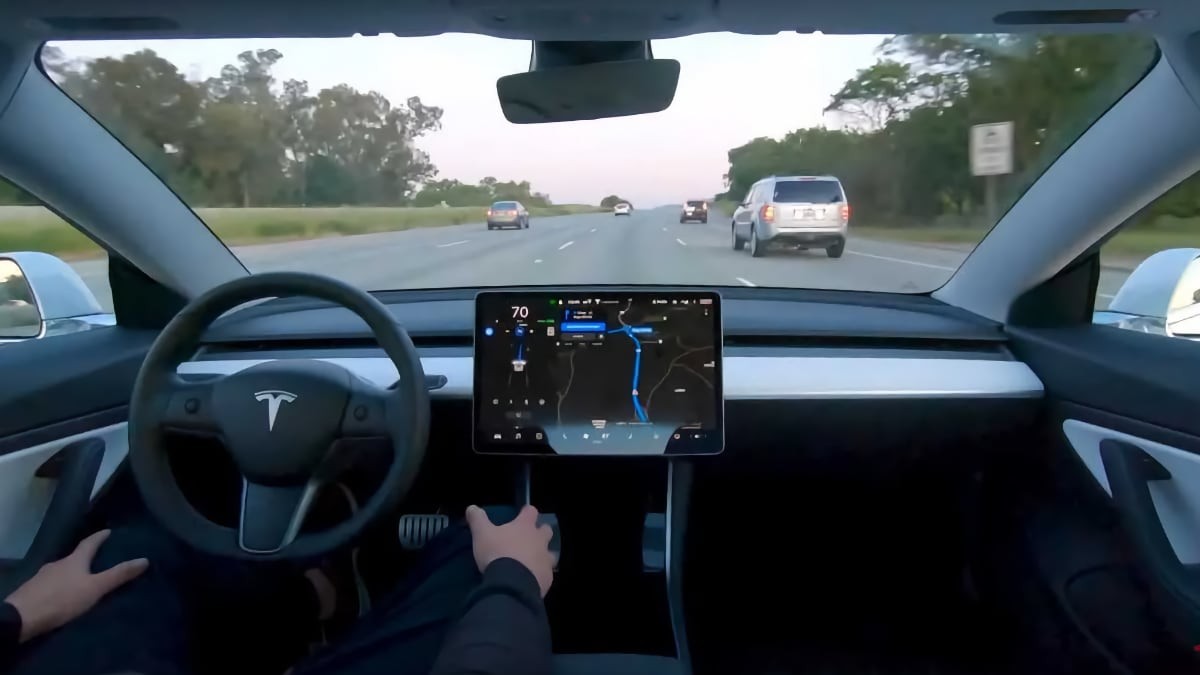

Tesla’s Full Self-Driving (FSD) Resource Set Allows the Car to Essentially Drive Itself in Certain Situations, in Fully Autonomous Driving.
However, to avoid unforeseen circumstances, a safety feature prevents drivers from being taken over by fully autonomous driving, where CEO Elon Musk mentioned that soon drivers will have the option to disable it.
The feature in question is the discomfort in the steering wheel, which requires the driver to keep their hands on the wheel at all times; otherwise, the car prompts them to turn the wheel slightly from time to time to keep them focused.
Learn More About the Option to Disable Fully Autonomous Driving
Recently, a Twitter user suggested (via Teslarati) that “users with over 10,000 miles on the FSD Beta should have the option to turn off the steering wheel,” and Musk agreed, stating that an update (which will likely bring the feature) arrives in January.
-
End of an era in Brazil: beloved sedan by Brazilians is discontinued despite having a 2.0 engine with 151 hp, CVT transmission, 466-liter trunk, and up to 650 km of range.

-
New Law Proposal in Brazil Could Heavily Penalize Drivers: Dangerous Overtaking May Become a Serious Offense with Fines Increased Tenfold and a 12-Month License Suspension; Update on 2026 Progress

-
Electric Revolution: Watts W125 Motorcycle Offers 160 km Range, 90 km/h Speed, and Affordable Price Starting at $3,000
-
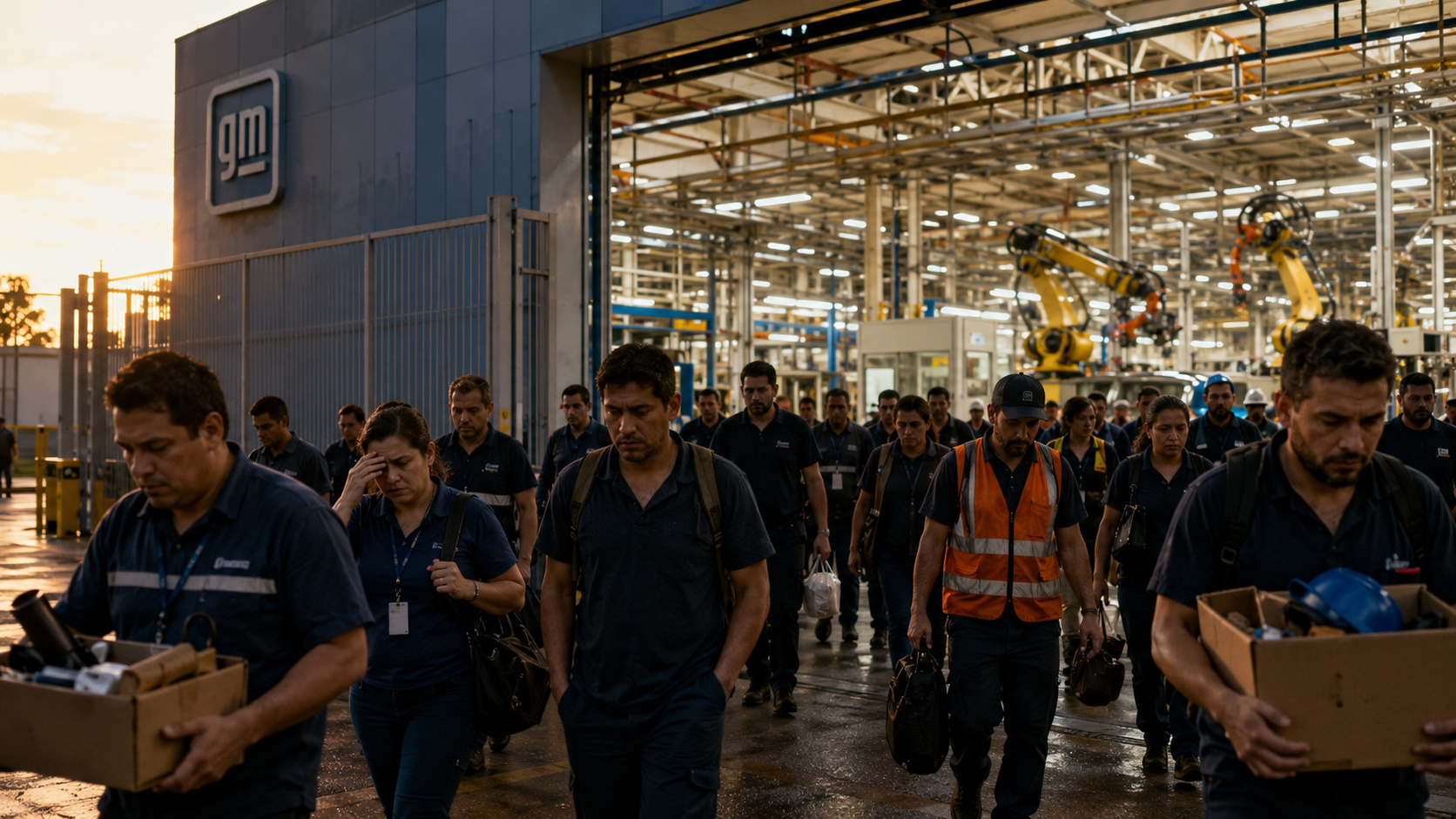
General Motors Replaces Over a Thousand Workers with 50 Cobots at Electric Vehicle Plant, UAW Union Criticizes Move Amid Industry’s Automation Push


With this fully autonomous driving update, Tesla drivers should be able to enable FSD and take their hands off the steering wheel completely while the car drives itself. Some owners expressed enthusiasm for the feature on Twitter, although this may raise further questions about whether FSDs are mature enough to be permitted on public roads.
The Tesla has another way to keep drivers focused – a camera embedded in the cabin that can issue alerts and even apply the brakes if it detects that the driver is not paying attention. However, there are some issues with this approach.
To begin with, not all Tesla vehicles are equipped with cameras in the cockpit, which may mean that owners of those cars will not have the option to disable the steering issues. Furthermore, a Consumer Reports report dated December 2021 (and updated in June 2022) found that Tesla’s camera-based driver monitoring was not an adequate solution to ensure that drivers paid attention to the road.
Learn About the Fully Autonomous Driving System
The Tesla FSD (still called “beta” by Tesla) is a set of features that allows the driver to input a destination into the car’s navigation system and let the car drive itself, although it requires the driver to be attentive and ready to take control at all times.
The FSD was initially offered to a small group of users but has since expanded to drivers meeting Tesla’s “safety score” requirement. However, last November, it became available to all Tesla vehicle owners with compatible hardware.