Portuguese
  Spanish


Separated by a Line on the Ground, Itambé and Pedras de Fogo Share Origins, Names, and Traditions That Resist the Division Between States.
Separated by a line on the ground, Itambé (PE) and Pedras de Fogo (PB) form a curious case on the map of the Northeast. The two towns were once one settlement and share more than just a border: they share origins, names, and even customs.
The name “Itambé” comes from Tupi and means “fire stone” or “sharp stone.” “Pedras de Fogo” is the literal translation. This is due to the presence of flint, stones that produce sparks when rubbed together. This geological detail gave rise to the names and marked the history of both localities.
Originally, the territory where Pedras de Fogo is located belonged to Itambé.
-
12-Year-Old Takes the Wheel After Mother Faints, Prevents Highway Tragedy in Brazil, Impresses Rescuers

-
From Father to Daughters: Aline Leaves Career to Modernize Family’s Four-Decade-Old Artisanal Cachaça Business in Rural Brazil, Expanding Production with Her Sister
-
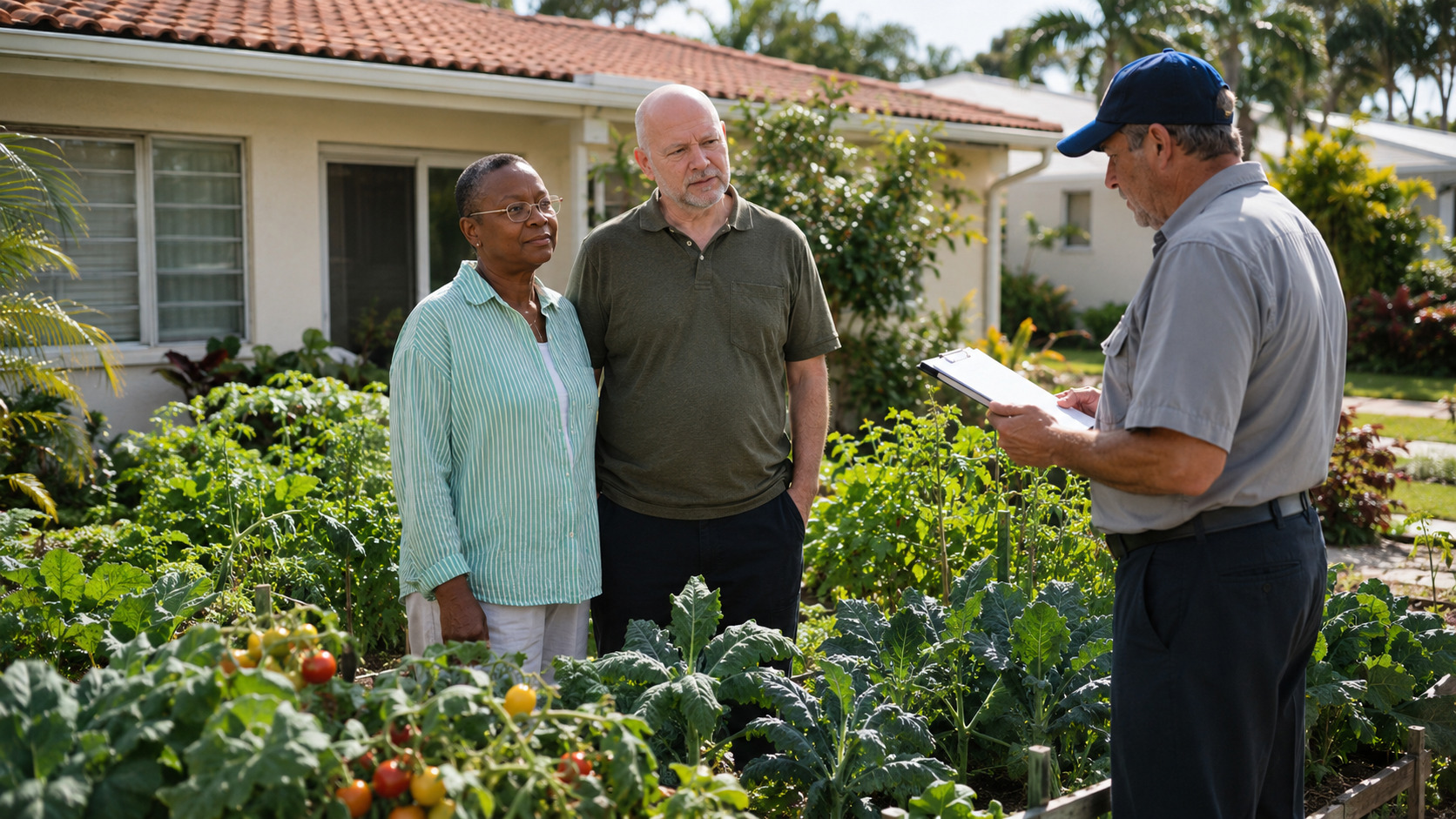
Couple’s 17-Year-Old Home Garden Destroyed by Local Authorities, Threatened with Fines

-
Frustrated by local government inaction, Brazilian villagers crowdfund $800 to build wooden bridge for coffee transport across stream




The chapel of Nossa Senhora do Desterro, built in the 17th century by André Vidal de Negreiros, was the starting point for settlement. Over time, the two became legally separated. Itambé remained in Pernambuco. Pedras de Fogo was annexed to Paraíba.
Culture That Crosses Borders
Despite the political separation, the residents of both maintain strong ties. Customs, festivals, and traditions continue to be shared, as if the border did not exist.
The common thread lies in the daily lives and memories of the population.
The stones that name the cities symbolize more than fire: they represent the strength of their inhabitants. Itambé excels in sugarcane production. Pedras de Fogo, in pineapple cultivation. On both sides of the line, there is work and identity.
Even with different states and distinct legislations, Itambé and Pedras de Fogo remain close. What was once one settlement still pulses as one soul, divided only by cobblestones.