






 Portuguese
  Spanish


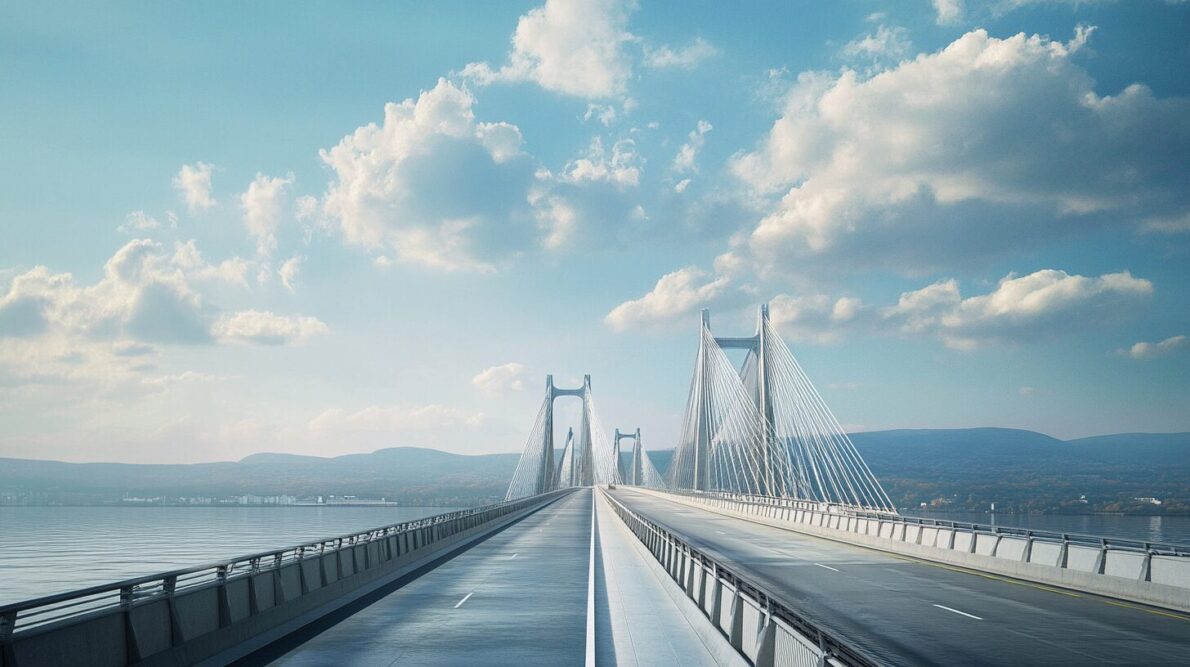

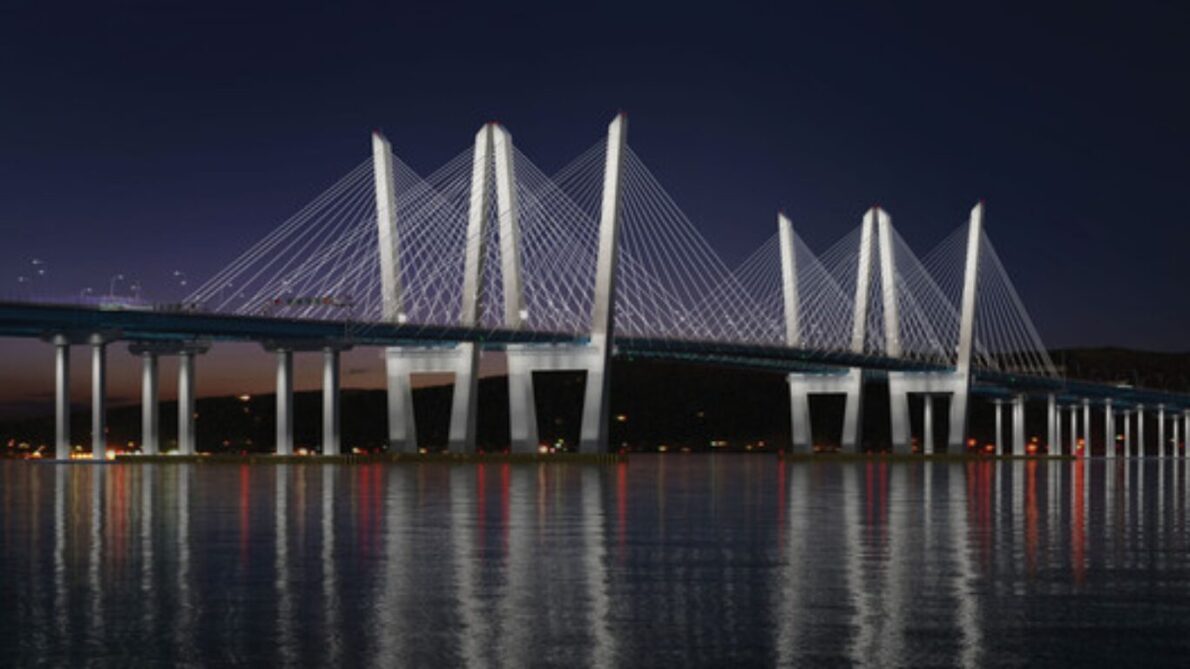
The Iconic Tappan Zee Bridge, an Essential Structure for the New York Region, Was Replaced by a New and Impressive Construction: This New Bridge, with Its Double-Stayed Design, Not Only Meets the Growing Traffic Demands but Also Represents a Milestone in Engineering and Architecture. Despite the Challenges Faced During Its Construction and the Controversies That Arose, the New Bridge Promises to Be a Lasting Symbol of Progress and Connectivity for the Communities of Tarrytown and Nyack
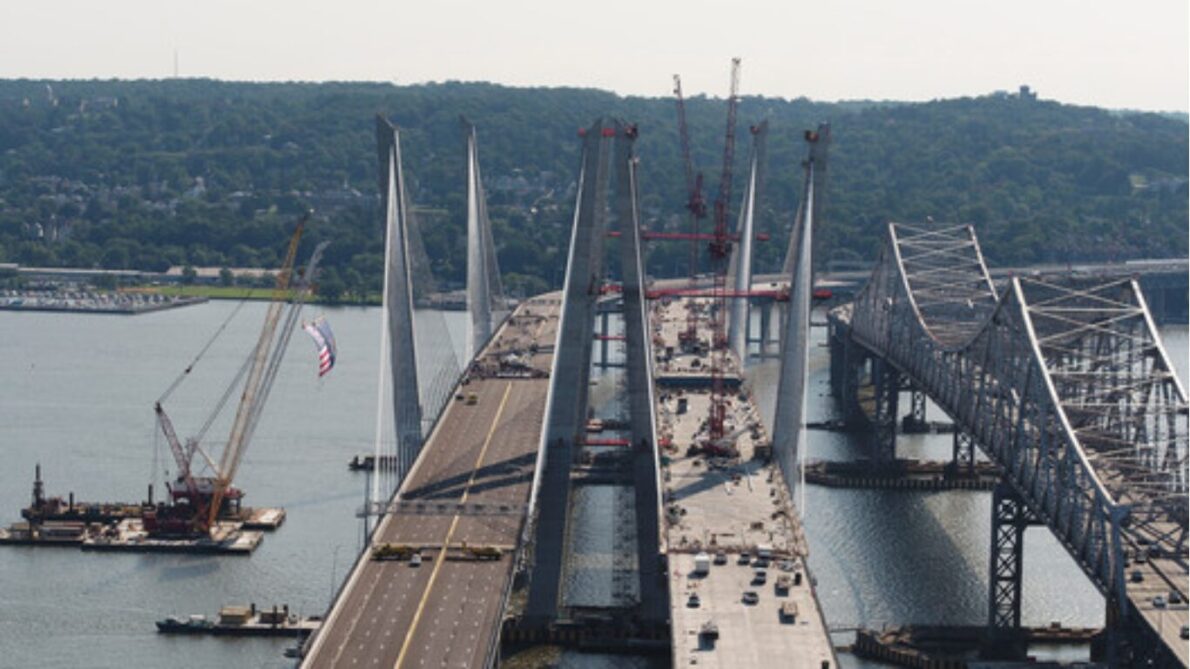
The Replacement of the Old Tappan Zee Bridge with a New Structure Was a Significant Undertaking for the State of New York. The Old Bridge, Inaugurated in 1955, Could No Longer Meet the Exponential Increase in Traffic and Modern Needs. Thus, the Design of the New Bridge Was Planned to Ensure a Safer and More Efficient Crossing Over the Hudson River. With Its Double-Stayed Design, the New Bridge Offers a Much Greater Traffic Capacity and Improved Connectivity Between Tarrytown and Nyack, According to ConstructionTime.
The Construction of the New Bridge Represented a Notable Advancement in Engineering, Reflecting the Commitment to Create an Infrastructure That Would Support Current and Future Traffic Volumes. “When You Look at the New Bridge, It’s Hard Not to Be Impressed by the Magnitude and Modernity of the Structure. It’s Like Seeing a Piece of the Future Materializing in the Present!“
Sustainability and Accessibility
One of the Most Notable Additions of the New Tappan Zee Bridge Is the Inclusion of a Shared Path for Bicycles and Pedestrians. This Feature Not Only Promotes Sustainability but Also Improves Accessibility, Allowing More People to Use the Bridge Safely and Conveniently. With This Innovation, the Bridge Aligns with Modern Urban Trends, Encouraging Eco-Friendly and Inclusive Transportation Alternatives.
-
Goodbye to old tiles: renovation technique without construction transforms bathrooms in a few hours, eliminates debris, and reduces costs with coverings using special paints, high-resistance adhesives, and modern finishes that completely renew the space.

-
Goodbye to the traditional clay brick: Indian startup transforms burnt straw into a carbon-negative brick that costs half, insulates better, and even removes CO2 from the air.

-
A Japanese governor single-handedly stalled the construction of the world’s fastest train for nine years, and only now has he agreed to allow a tunnel excavated at a depth of 1,400 meters.

-
A 180-meter ship with a deck the size of a football field was christened to carry 25,000 tons of giant energy modules around the world.



The Path for Bicycles and Pedestrians Is a Testament to the Commitment of the Bridge’s Engineering and Planning to Provide Multifunctional Infrastructure. “It’s Great to See a Bridge That Thinks Not Only of Cars but Also of Those Who Prefer to Get Around by Bicycle or on Foot. Without a Doubt, It’s a Big Step for Accessibility in the Region.“
Challenges and Controversies
During the Construction Process of the New Tappan Zee Bridge, There Were Several Challenges and Controversies, Including Issues Related to Structural Integrity. Some Critics Raised Concerns About the Structure’s Safety, Leading to Independent Investigations. However, These Analyses Concluded That the Bridge Did Not Present an Immediate Risk of Collapse, and the Project Proceeded as Planned.
In Addition to Technical Challenges, the Construction Faced Delays and Unforeseen Issues That Influenced the Original Timeline. Despite This, the Bridge Was Completed Within the Adjusted Budget, Highlighting the Effectiveness and Resilience of the Project.
Conclusion and Impact on the Region
The Demolition of the Original Structure of the Bridge Marked the End of an Era for the New York Region. The New Tappan Zee Bridge Not Only Represents a Significant Advancement in Terms of Engineering and Design but Also Offers a Modern Solution to the Transportation Needs of the Region. “It’s Impressive to Think That the New Bridge Now Stands Majestically Over the Hudson River, Representing a Landmark of Innovation and Progress.”
Therefore, the New Tappan Zee Bridge Is More Than Just a Transportation Infrastructure; It Is a Symbol of Evolution and Connectivity for the New York Region. With Its Successful Construction, It Promises to Continue Serving as a Crucial Point in the Transportation Network and a Lasting Testimony of Modern Engineering.


