Portuguese
  Spanish



Chinese Manufacturer Yadea Innovates With Autonomous Technology, Production in the Manaus Free Trade Zone And Affordable Prices in The National Market
During the Interlagos Festival in São Paulo, the Chinese giant Yadea presented its first autonomous electric scooter, which balances itself and can move without a rider, with commands sent via mobile phone or computer, according to the site Olhar Digital.
The technology is still in the testing phase and currently allows only small maneuvers (such as going forward or backward). An intelligent gyroscope ensures the vehicle’s balance, even without a driver. Tests are being conducted in China, Thailand, and Mexico. There is still no forecast for commercial launch.
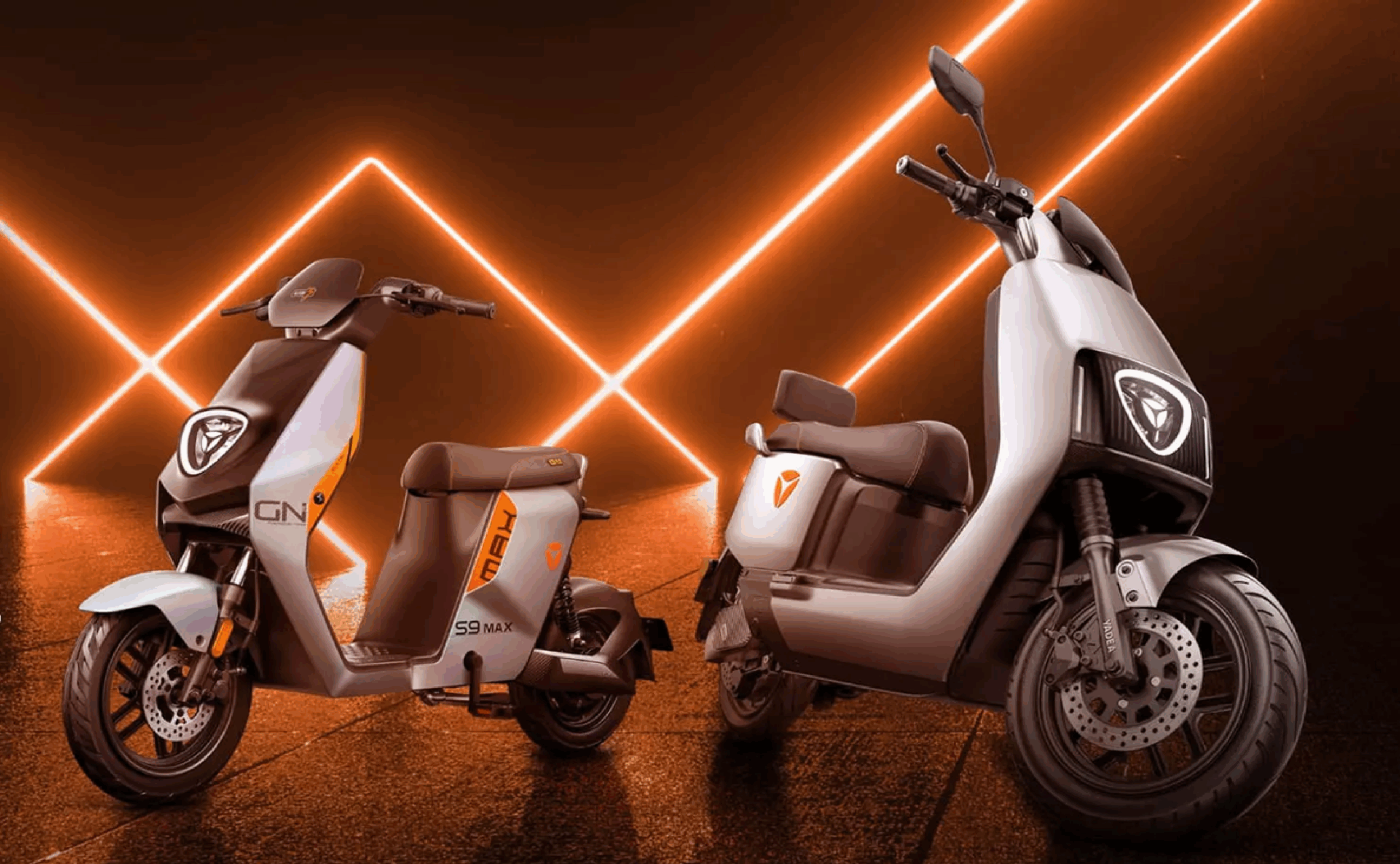
Scooter Models Coming to Brazil: Keeness and Owin
While the autonomous scooter is being tested, two new electric models from Yadea already have a date to land in Brazil:
-
1983 Chevrolet Runs Over 100,000 km Without Gasoline, Powered by Wood Chips, Reaches 125 km/h in Airport Test

-
Workshop Converts Giant Tractor Tire Tricycle into a Three-Wheel Drive Hybrid with 36,000-Watt Electric Motor Capable of Climbing Hills

-
Sales of Brazil’s Cheapest Electric Car Halted Before First Deliveries: E-Motors Suspends Emova Easy Due to Import Tax Increase and Rising Freight Costs

-
Nissan Discontinues Qashqai SUV Amid Cost-Cutting, Chinese Competition, and Product Line Review


Keeness – Sport Electric Motorcycle
- Power: 11 kW
- Range: up to 129 km
- Top Speed: 100 km/h
- Price: R$ 28,900
- Launch: August 2025
Highlight: energy regeneration system during braking.
Owin – Retro Scooter Without License Required
- Design inspired by Vespa
- Range: up to 71 km
- Speed: ideal for urban centers
- Price: R$ 13,900
- Launch: End of June 2025
Smart unlocking via Bluetooth, app, or remote control. No driver’s license or registration required, ideal for urban commuting.


Brazilian Production and Expansion Plans
Yadea has already started the production of motorcycles and accessories in the Manaus Free Trade Zone and plans to open more than 300 stores in Brazil over the next three years.
With over 50,000 sales points worldwide, the company is betting high on Brazil as a strategic market for electric mobility.