






 Portuguese
  Spanish
  4 min of reading
  0 comments


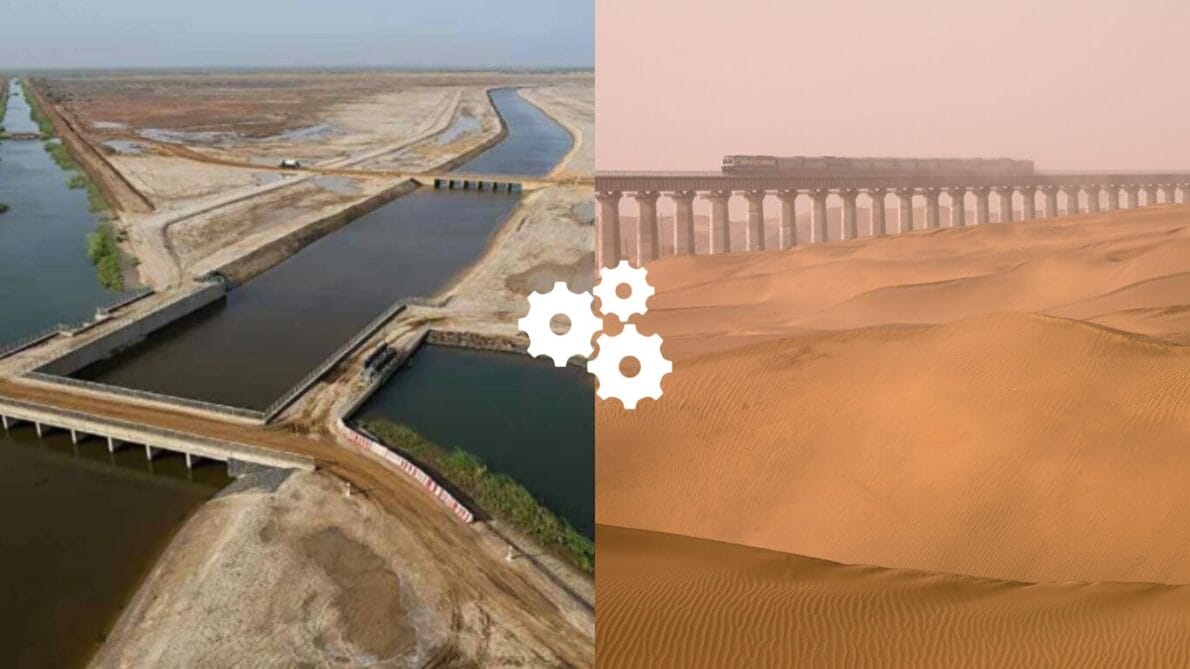
Extreme Challenges And Innovative Solutions: Discover The Mega Constructions In The Desert Shaping The Future Of The Planet!
Amidst the endless dunes and the relentless heat of the deserts, civil engineering is breaking barriers and redefining what is possible. From railroads crossing seas of sand to green farms emerging in barren lands, these mega constructions demonstrate how technology and engineering are turning the impossible into reality. Let’s explore some of these extraordinary projects shaping the future of desert regions, according to constructiontime.
Railway In The Taklamakan Desert: A Landmark In China
The construction of the world’s first railway to cross the Taklamakan Desert in China is a remarkable feat. Spanning 825 km and with trains reaching speeds of up to 120 km/h, this project has overcome extreme challenges such as shifting sand and sandstorms. “Imagine trying to build a railway on top of shifting sand! It’s like trying to set up a house of cards in the middle of a tornado,” jokes one of the engineers involved. This railway not only connects remote regions but also boosts the local economy and improves the quality of life for its inhabitants.
Agriculture In The Sahara: The Tiana Farm
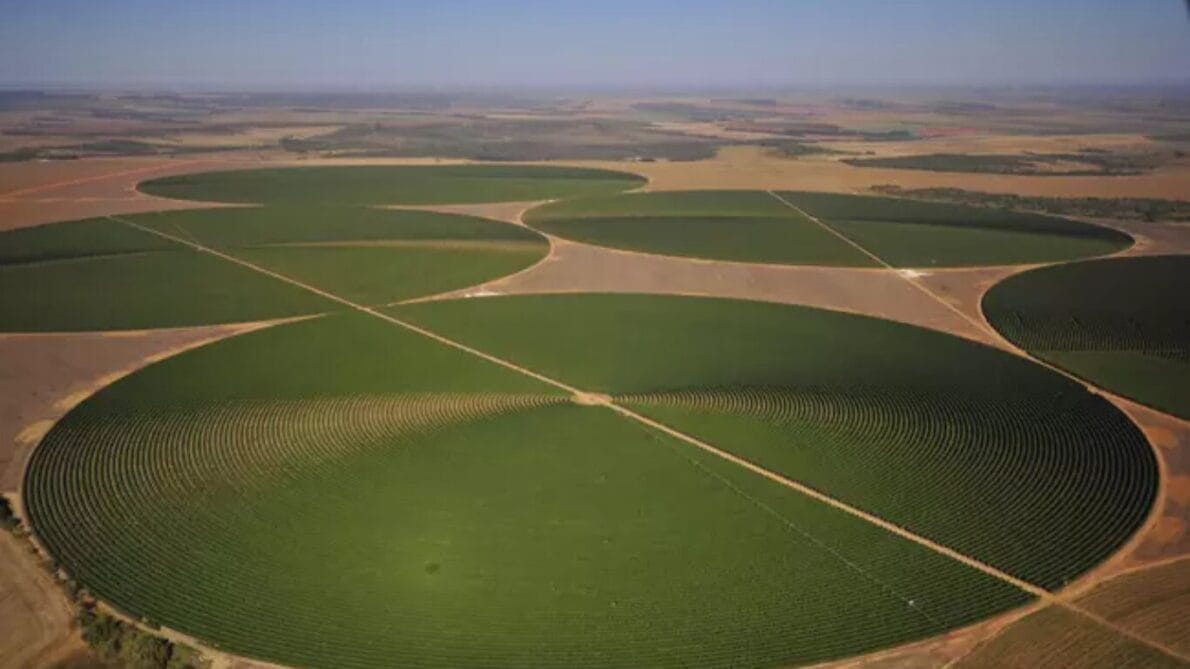
In the heart of the Sahara Desert, the Tiana Farm is revolutionizing agriculture with the use of advanced technology. Utilizing sprinkler irrigation and a system of buried pipes, this farm cultivates grass in an area of 6,000 hectares. This project demonstrates how innovation can combat drought and promote agricultural development in arid regions. “It’s like planting a forest in the middle of nowhere,” says one of the farmers. The Tiana Farm not only feeds local livestock but also serves as a model of sustainability and innovation for other desert regions.
-
Bolivian Female Construction Workers Form Association to Combat Discrimination and 38% Pay Gap in the Industry

-
Near Amsterdam, residents buy land and discover they must also build streets, manage drainage, handle waste, and grow food on half their plot.
-
Brazil’s WEG to Open New Factory in China by 2027, Expanding Production of Large Rotating Electric Machines and Low to Medium Voltage Motors in Rugao

-
Chinese Shipyard Secures $1 Billion in Orders for Low-Carbon Container Ships Amid Global Fleet Renewal Efforts


Water Infrastructure In Pakistan: Irrigation Canal
In Pakistan, a 499 km canal undergoes three phases of development to irrigate over 700,000 acres. This project represents a significant investment in water infrastructure, vital for a region facing water scarcity. “Without water, there is no life, and without infrastructure, there is no progress,” emphasizes one of the engineers responsible. This canal not only sustains agriculture but also promotes economic development and stability in the region.
Fast Connections In The United Arab Emirates
A new 1,200 km railway is being built to connect the United Arab Emirates to the Saudi border and the Indian Ocean. With trains reaching speeds of up to 200 km/h for passengers, this line promises to facilitate transportation and transfers for the regional economy. “Imagine traveling from one end of the desert to the other in just a few hours,” comments an eager passenger. This project symbolizes the union of innovation, technology, and determination in overcoming desert challenges.
Renewable Energy In Kuwait: Shakaya Project
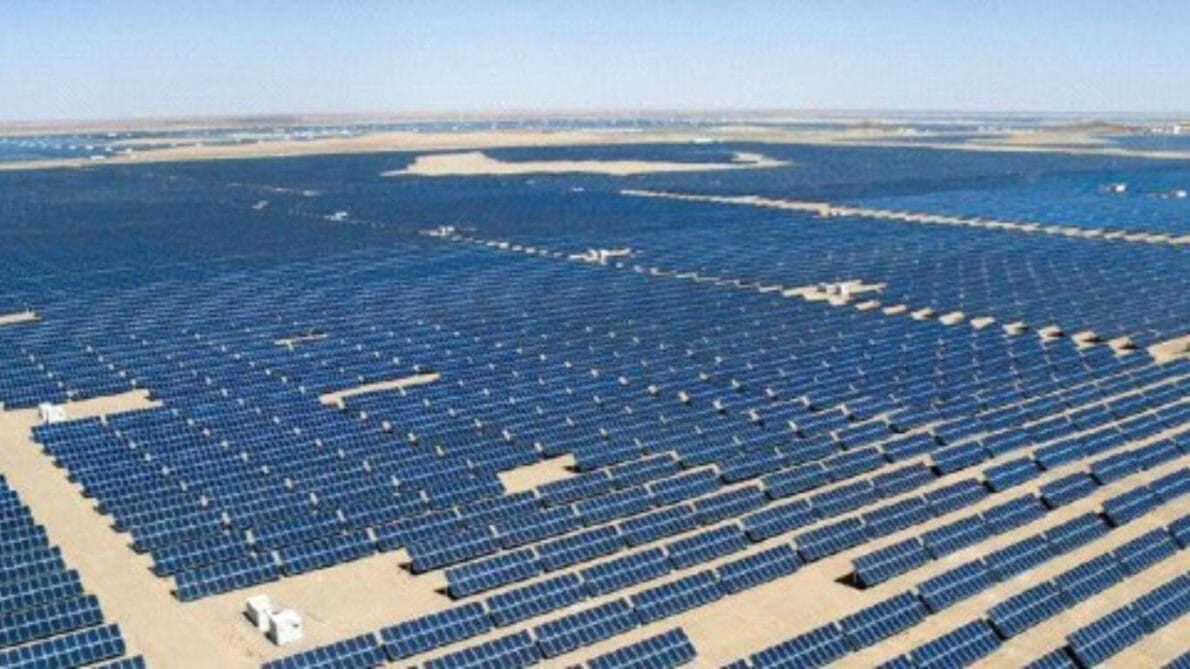
The renewable energy Shakaya project in Kuwait occupies 250 hectares and generates 50 megawatts of electricity from solar power. This project is a concrete proof that deserts, with their abundance of sunlight, can be transformed into sources of clean and sustainable energy. “The sunlight here is so strong that it would be a waste not to harness it,” comments one of the project’s technicians. The Shakaya not only contributes to reducing carbon emissions but also reinforces Kuwait’s energy independence.
The Future Of Construction In Extreme Environments
These innovative constructions demonstrate how engineering and technology can transform deserts into areas of development. From improving quality of life to creating new economic opportunities, these projects are opening doors to a more prosperous future in arid regions. The perseverance and hard work of engineers and workers are fundamental to the success of these endeavors, inspiring a continuous quest for innovative solutions.
International Cooperation: Key To Success
International cooperation plays a crucial role in the development of these ambitious projects. Partnerships between governments, companies, and local communities are essential to overcome challenges and maximize the benefits of mega constructions in deserts. “Together, we can transform even the most inhospitable environments into oases of progress,” concludes a representative from the construction team.
These examples of mega constructions in the desert illustrate the incredible capacity of humanity to adapt and innovate in the face of adversity. With advanced technology, strategic planning, and global collaboration, deserts are becoming fertile grounds for development and prosperity.





Be the first to react!