Portuguese
  Spanish


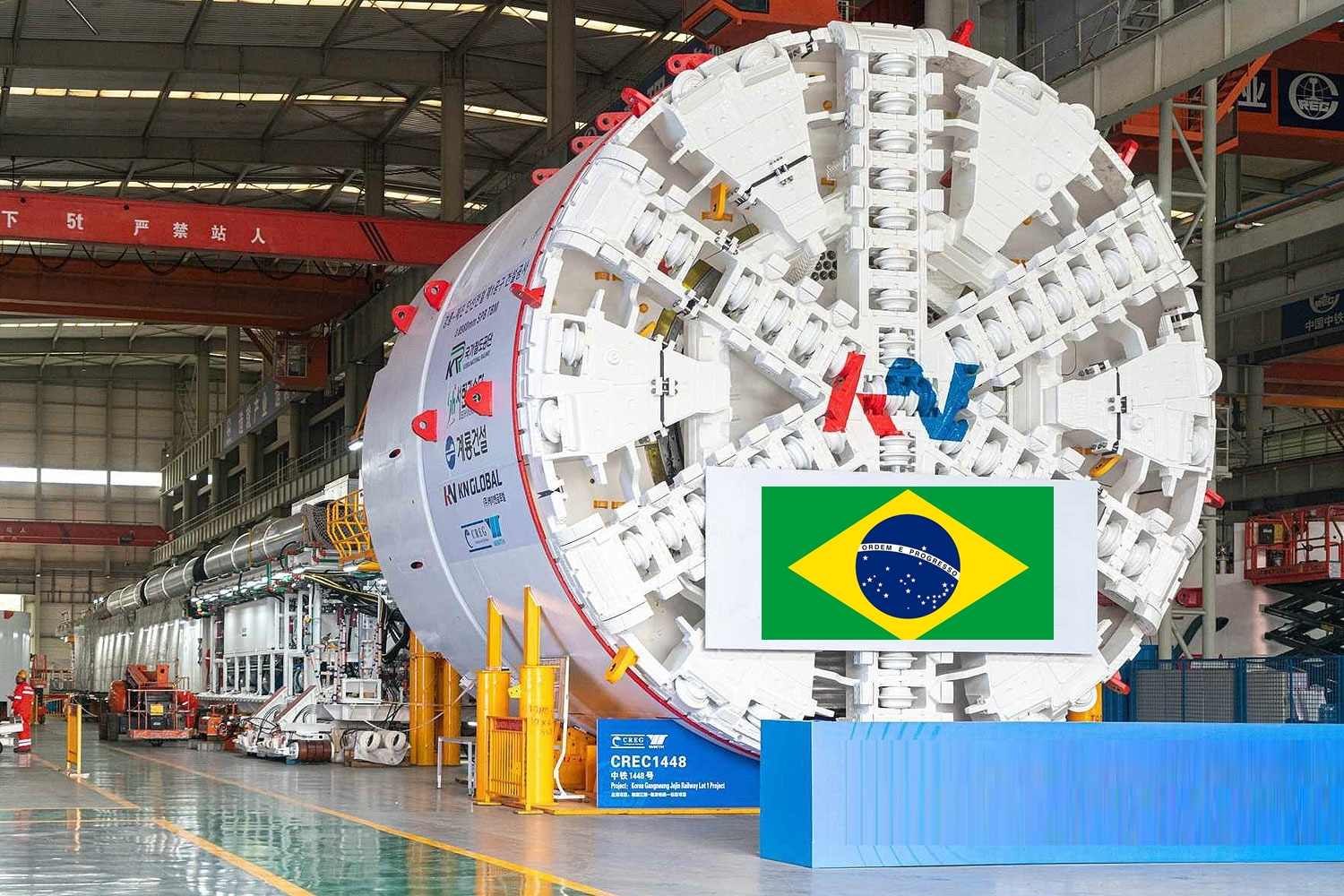


The City Of São Paulo Prepares To Welcome One Of The Largest Underground Engineering Projects In The Country. The Line 19-Celeste Will Transform Mobility Between Guarulhos And Downtown The Capital, And To Make This Possible Three Colossal Tunnel-Boring Machines—Known As Tatuzões—Will Be Responsible For Opening 17.6 Kilometers Of Tunnels Below The Metropolis.
The Construction Of The Line 19-Celeste Emerges As One Of The Biggest Challenges Of Underground Engineering In Brazil. The Layout Foresees 17.6 Kilometers Of Tunnels, Connecting Guarulhos To Downtown São Paulo, And Will Feature Three Large Tunnel-Boring Machines, Known As “Tatuzões”.
These Machines Impress With Their Size. The Maximum Diameter Reaches 10.66 Meters And The Internal Diameter Reaches 9.5 Meters.
During Excavation, The Tunnels Will Receive A Lining Of Precast Concrete Rings, With A Thickness Of 40 Centimeters, Reinforced With Steel And Fibers.
-
Brazilian Researcher Develops Protein Supplement from Tilapia Waste, Combining Innovation and Sustainability with Economic Potential

-
Women in São Paulo Unknowingly Tracked by Coin-Sized Tags Hidden in Cars and Belongings, Raising Stalking Concerns
-
Near a $750 million AI data center in Brazil, a resident’s well runs dry, leaving her unable to afford the $25,000 needed for repairs.

-
16-Year-Old from Brazil’s Sertão Wins Young Scientist Award for AI Predicting Rainfall with 94.5% Accuracy to Aid Farmers


Types Of Tunnel-Boring Machines And Applied Methods
The Project Will Adopt Two Models Of Tunnel-Boring Machines. The Slurry Type Serves Areas With Sandy Soils And High Water Table. The Dual Mode Model Combines EPB And Slurry Technologies, Allowing It To Operate In Mixed And Rocky Soils. This Flexibility Ensures Greater Adaptation To Geological Conditions Along The Route.
The Machines Will Operate At Strategic Points. The First Will Be Installed At Jardim Julieta Station And Will Excavate 5.7 Kilometers To Bosque Maia, Exiting At VSE-1, In The José Calixto Machado Neighborhood, Within Lot 1.
The Second Will Also Start From Jardim Julieta, But Will Proceed In The Opposite Direction, Advancing 5.2 Kilometers To Vila Maria Station, Where It Will Be Dismantled, In Lot 2. The Third Tunnel-Boring Machine Will Start At Vila Maria And Proceed 5.5 Kilometers To Bixiga, Being Removed At VSE-18, In Lot 3.
Safety And Technical Solutions
The Advancement Of The Tunnel-Boring Machines Requires Meticulous Work. Before The Arrival Of Each Machine, The Bottom Slabs Need To Be Completed.
This Care Ensures Precision In Critical Sections, Such As At Cerealista, São Bento, And Anhangabaú Stations, Where The Sandy Soil And High Water Table Increase Risks.
To Enable Movement, Engineers Have Provided For Metal Profiles Embedded In The Slabs, Lubricated With Grease. Additionally, The Intermediate Shafts—Except VSE-1 And VSE-18—Will Be Filled With Special Material. This Will Allow The Tunnel-Boring Machines To Pass Through These Points Without Stopping.
After Passage, The Concrete Segments In These Locations Will Be Demolished.
This Solution Demonstrates How The Project Combines Sophistication And Safety. The Cutting-Edge Engineering Applied In Line 19-Celeste Not Only Meets Technical Challenges But Also Reinforces The Strategic Importance Of The Project For Mobility In The Metropolitan Area Of São Paulo.