Portuguese
  Spanish


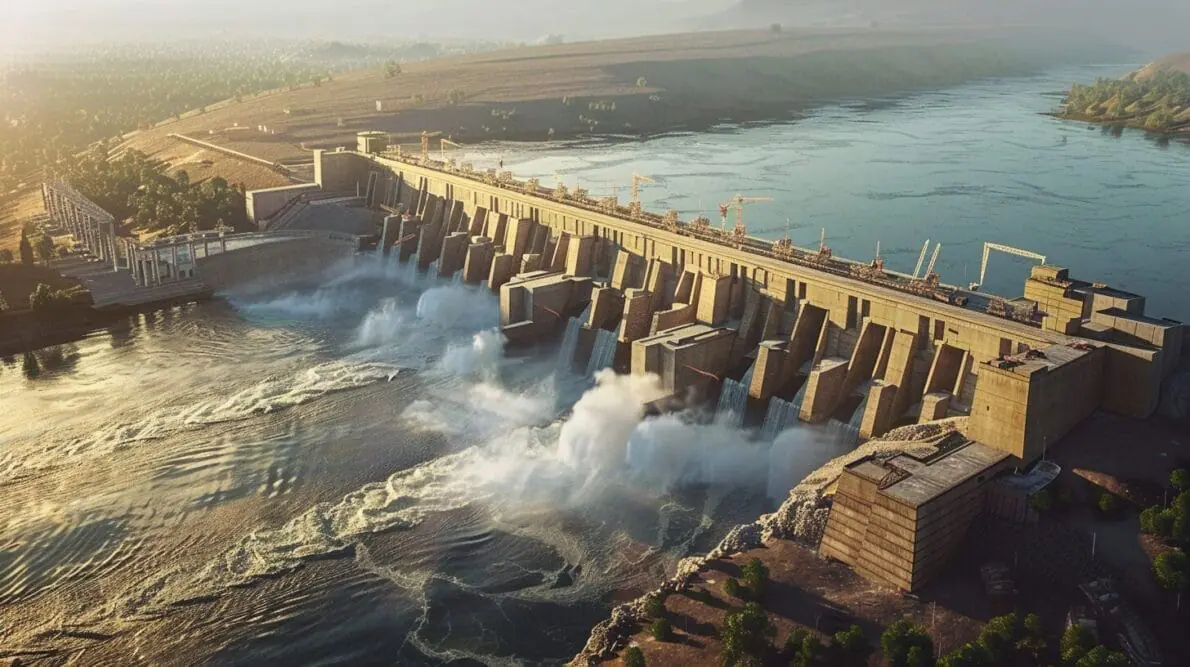

The Construction Of Africa’s Largest Hydroelectric Power Plant Promises To Transform Energy Production In The Region, But Also Generates Significant Tensions!
The Grand Ethiopian Renaissance Dam (GERD) is an ambitious project aimed at transforming the energy landscape of Africa. Located on the Blue Nile, the hydroelectric power plant is intended to double Ethiopia’s energy production. However, this technological innovation brings a considerable geopolitical impact, especially for Egypt and Sudan, which are heavily reliant on the waters of the Nile River for their basic needs, according to BBC.
The Colossal Ethiopian Hydroelectric Project
The GERD, which began construction over 12 years ago, is the largest hydroelectric dam in Africa. Situated 30 kilometers south of the border with Sudan, it spans over one kilometer in length and 145 meters in height. The reservoir behind this gigantic dam covers an area equivalent to the size of Greater London, representing an investment of US$ 5 billion.
For Ethiopia, the dam is a crucial development landmark. With 60% of its population currently lacking access to electricity, the GERD promises to provide energy not only for Ethiopians but also for neighboring countries such as Sudan, South Sudan, Kenya, Djibouti, and Eritrea. The dam has the potential to transform the region’s economy by offering a constant supply of energy that can boost industrial growth and improve the quality of life for the population.
-
U.S. Dismisses Brazilian Foreign Ministry’s Military Risk Warning as “Absurd,” Cites Brazilian Criminal Gangs Operating in the U.S. Since May 2026

-
Ukraine War Impacts Brazilian Fuel Supply: Russian Diesel Imports Drop 65% in June, Brazil Turns to US and India Amid Market Concerns

-
Chinese Nuclear Submarine Launches Simulated Warhead Missile in Pacific, Heightening Regional Tensions Amid Naval Drills with Russia Near Qingdao; New Zealand and Papua New Guinea Warn of Persistent Chinese Military Presence
-
Ayatollah Ali Khamenei’s Funeral Draws 15 to 20 Million in Tehran, Calls for Revenge Against Trump After Joint Israel-U.S. Attack



Egypt and Sudan’s Concerns About The Dam
Despite the benefits promised by the GERD, the project has generated serious concerns in Egypt and Sudan. Egypt, with a population of around 107 million people, relies almost exclusively on the Nile River for its freshwater supply. This resource is vital for human consumption, agriculture, and the operation of the Aswan High Dam. Sudan, with 48 million inhabitants, also heavily depends on the waters of the Nile.
Both countries fear that the dam could restrict water flow, affecting their irrigation capacities and energy production. Egypt, in particular, argues that a reduction of just 2% of the Nile’s water could result in the loss of about 81,000 hectares of irrigated land, significantly impacting its agricultural production. Additionally, low water levels could hinder transportation on the river, which is essential for the Egyptian economy.
Mohammed Basheer from the University of Toronto emphasizes that Egypt’s primary concern is how the GERD will be operated in the long term, especially during dry periods. Ethiopia filled the dam in just three years, while Egypt had suggested a period of 12 to 21 years to minimize downstream impacts.
Possibility Of Agreement And Future Prospects
Since the construction of the GERD began in 2011, tensions between Egypt, Sudan, and Ethiopia have escalated. Historical treaties from 1929 and 1959 granted Egypt and Sudan rights over almost all the Nile’s water, allowing them to veto upstream projects. However, Ethiopia does not recognize these treaties and began construction of the dam during the Arab Spring, a period of political turmoil in Egypt.
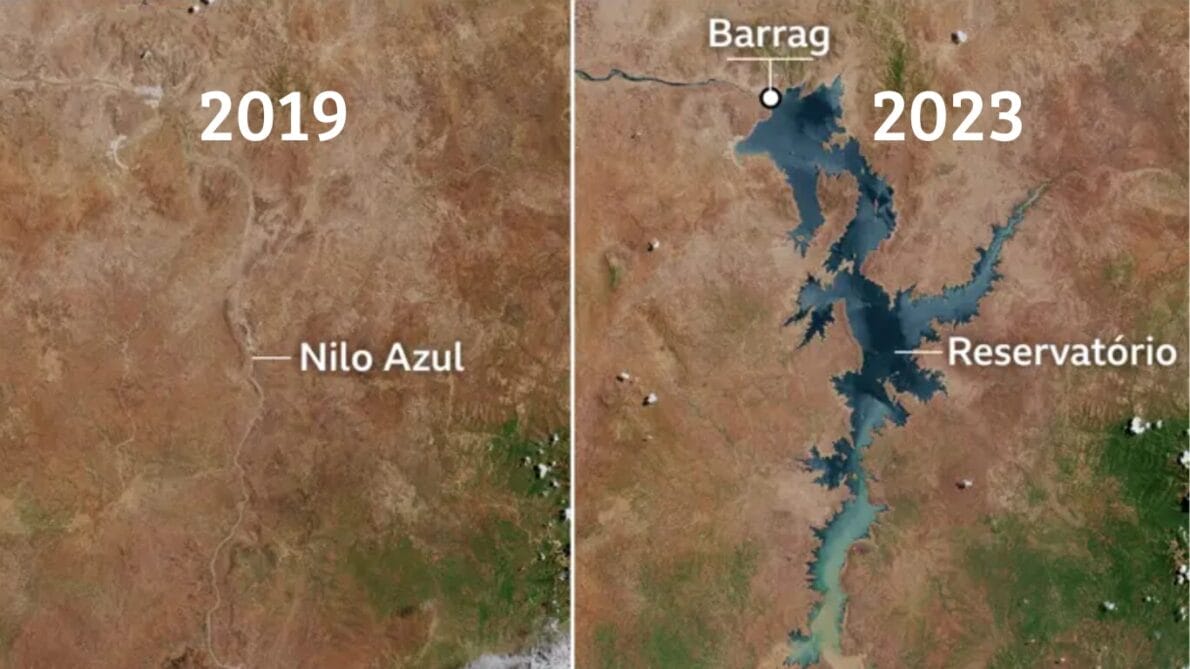
Although a new treaty was signed in 2015, negotiations over the management of Nile waters have repeatedly failed. In 2019, the International Crisis Group warned of the possibility of armed conflict. The United States attempted to mediate an agreement, but unsuccessfully. Conversations have recently resumed, just before Ethiopia announced the completion of the dam’s filling.
The search for a balanced agreement is crucial to avoid future conflicts and ensure that all involved countries can benefit from the Nile’s waters. Collaboration and negotiation are essential to transform the GERD into a symbol of regional progress rather than a point of discord.
The Great Ethiopian Hydroelectric Power Plant
The Grand Ethiopian Renaissance Dam represents a significant advance for energy production in Africa, but it also highlights the geopolitical challenges that accompany large infrastructure projects. Ethiopia sees the GERD as a development opportunity and improvement of life for its population, while Egypt and Sudan fear the consequences for their water needs. The future of the negotiations will be decisive for the stability and sustainable development of the region.