





 Portuguese
  English
  Spanish
 2 min of reading
  0 comments


With 18 Tons and Almost Six Stories Tall When Assembled, Two Screw-Shaped Pumps Will Strengthen Sabesp’s System and Drive Sewage from Greater São Paulo Toward the Decontamination of the Tietê River
Two mechanical pumps weighing 18 tons, with a height comparable to a six-story building, will be crucial in the new stage of decontaminating the Tietê River. Manufactured in the shape of “giant screws,” they were transported by Sabesp between Guarulhos and Suzano in the early hours of this Thursday, the 23rd, and will be integrated into the sewage system of the São Paulo Metropolitan Area.
High-Capacity Structures
These pieces of equipment will be part of one of the Sewage Lift Stations (EEEs) of the company, responsible for pumping household waste to the Wastewater Treatment Station (ETE) in Suzano.
Each pump has a diameter of 2.7 meters and will be capable of moving 1,500 liters of sewage per second — equivalent to 41 Olympic-sized swimming pools per day.
-
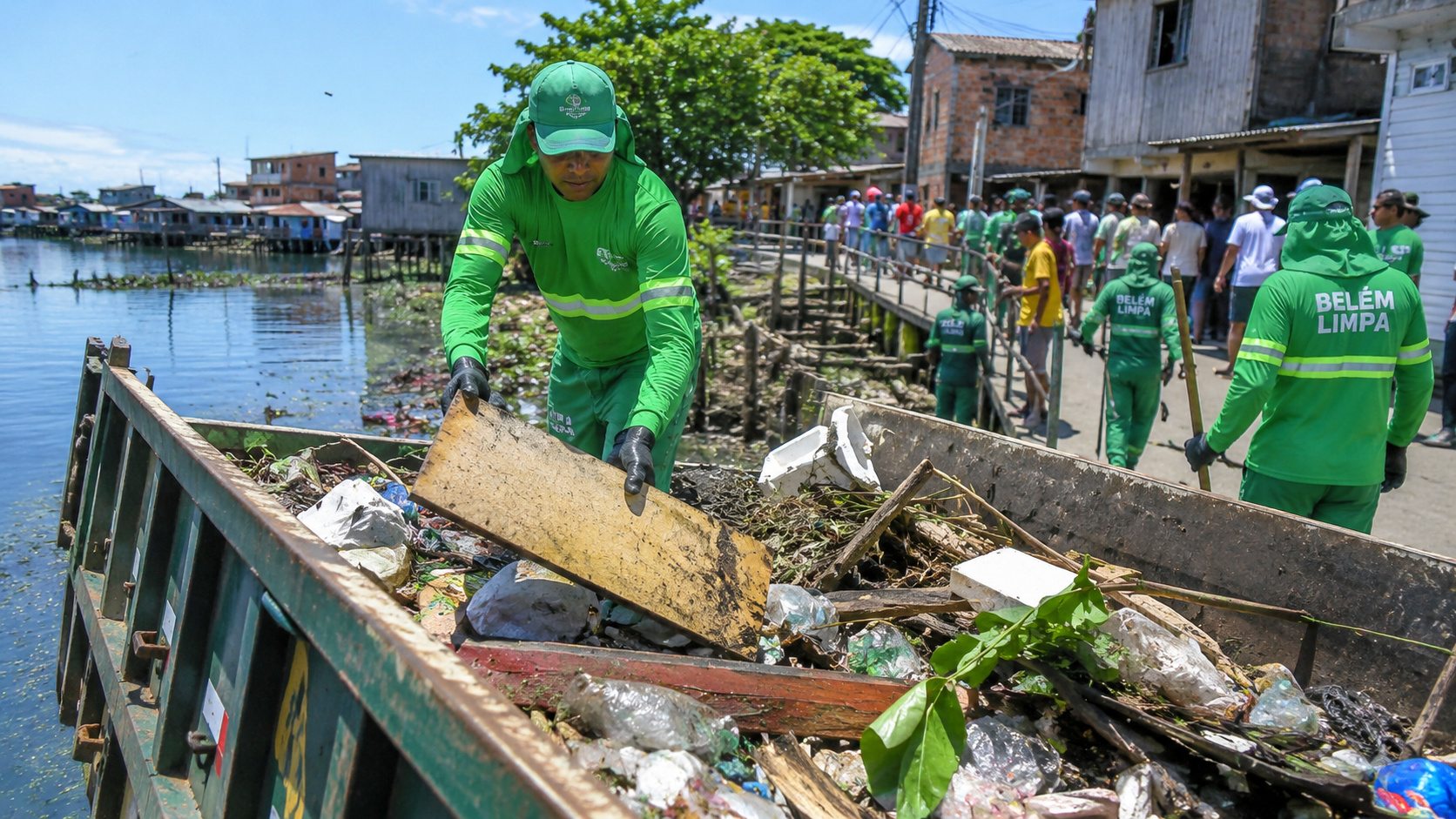
More than 10 tons of garbage are removed from Vila da Barca during a revitalization operation in Belém, in an initiative that combines urban cleaning, structural recovery, and environmental improvements to transform one of the most well-known areas of the capital of Pará.

-
Study by Brazilian scientists identifies microplastics and persistent pollutants in deep areas of the national ocean, increasing global concern about invisible waste that persists for decades in the marine environment and threatens strategic species of Atlantic biodiversity.
-
Understand how whey protein residue ceases to be an environmental problem, gains innovative industrial use, and helps reduce CO2 emissions with technology applied to sustainable food production and intelligent reuse on a global scale.
-
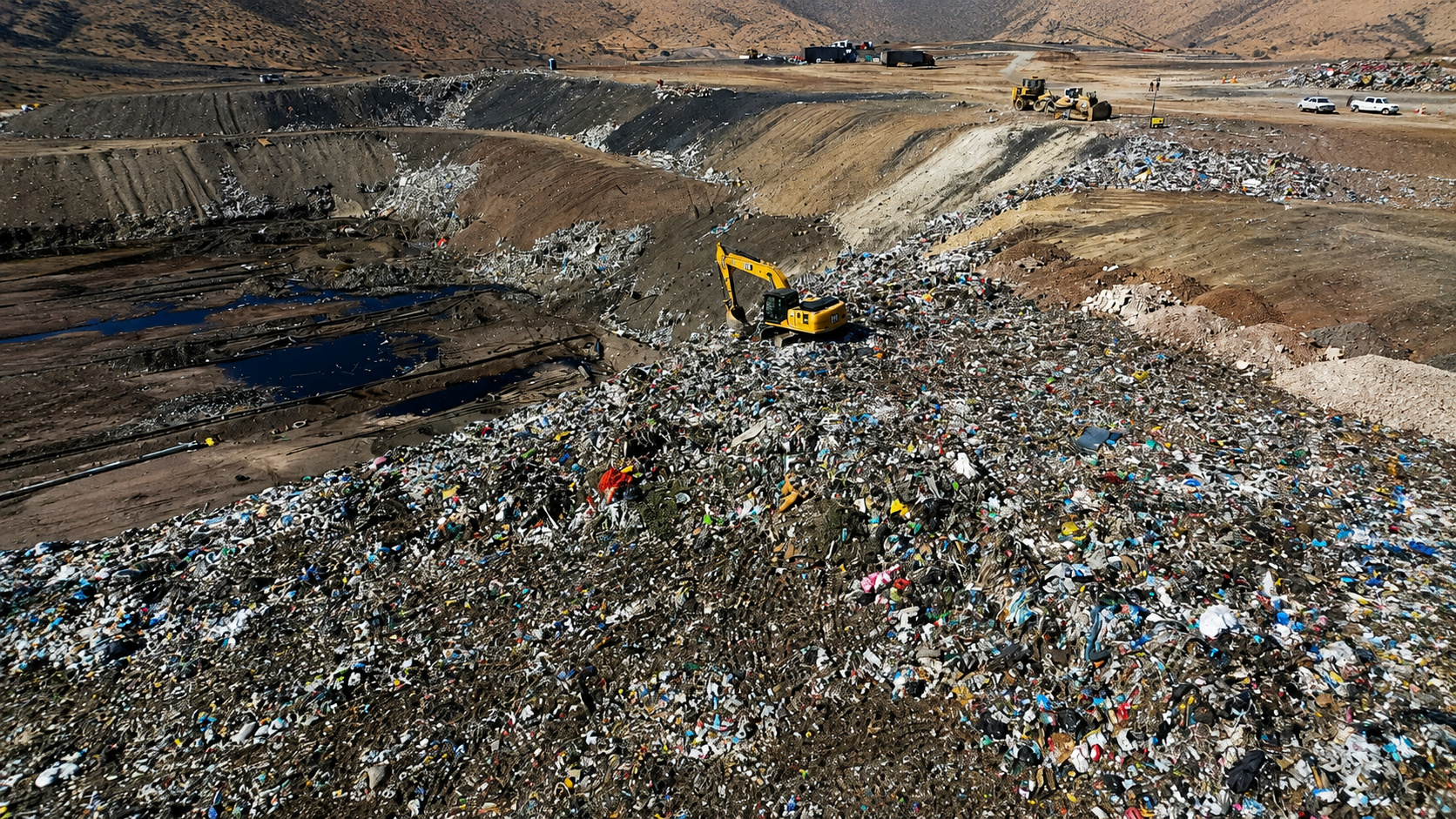
Landfill in Chile becomes the “mountain of garbage” that emits the most methane on the planet and frightens residents with a strong smell, flies, and global alert


The pumps will operate continuously, always tilted. Rotating without interruption, they pull the sewage from below and carry it to the top, where the material is directed for final treatment.
This process is essential because the terrain of Greater São Paulo has significant elevation changes, requiring strength to transport sewage uphill.
How the System Works
The system operates in several stages. First, sewage from homes is collected by the so-called branches, small pipes that carry waste to collector networks located in the streets.
Then, it goes to the trunk collectors, installed near streams and rivers, which prevents sewage from flowing directly into water bodies.
Next, the material is carried by interceptors — large pipes over two meters in diameter — to the lift stations.
In these intermediate structures, the screw pumps come into play, moving the sewage vertically until it reaches Sabesp’s main treatment network.
Decontamination of the Tietê River: Operation Expected by the End of the Year
The two pumps will be installed in a well 14 meters deep, inside the new lift station.
When the system becomes operational, expected by the end of this year, the ETE in Suzano will start treating sewage from about 285,000 homes in 90 neighborhoods — benefiting approximately 850,000 people.
Additionally, small isolated stations will be deactivated. According to Sabesp, this should reduce operational costs and allow for more efficient control, accelerating the progress of the Tietê decontamination program.
With information from Terra.







-

2 people reacted to this.