





 Portuguese
  English
  Spanish
 3 min of reading
  0 comments


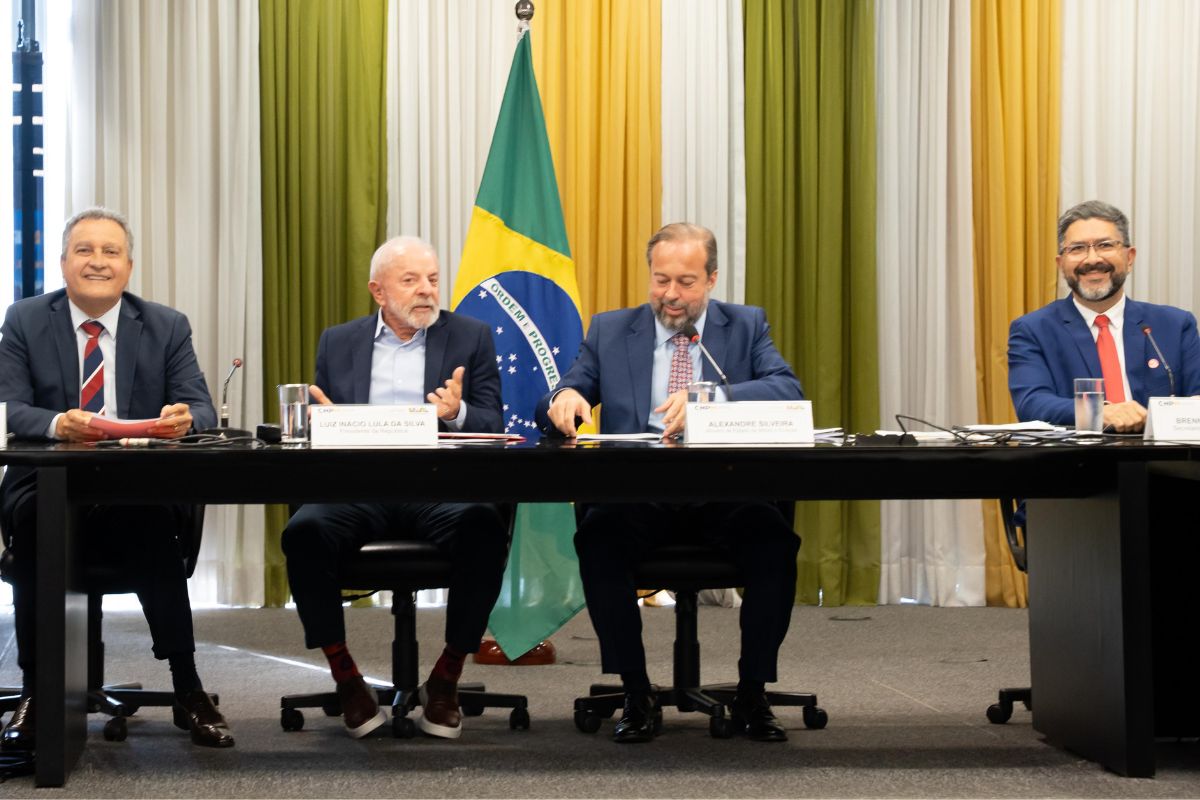
The Brazilian Geological Service Participated In The First Meeting Of The National Council Of Mineral Policy, Reinforcing Actions On Governance, Sustainability And Innovation In The Mineral Sector
The creation of the National Council of Mineral Policy marks a new chapter in the governance structure of the Brazilian mineral sector, according to a report published
On the last day of October 16, the collegiate brought together 18 state ministers and strategic representatives at the Ministry of Mines and Energy (MME), in Brasília.
Among the participants was the interim president of the Brazilian Geological Service (SGB), Sabrina Góis, the only non-ministerial representative on the council.
-
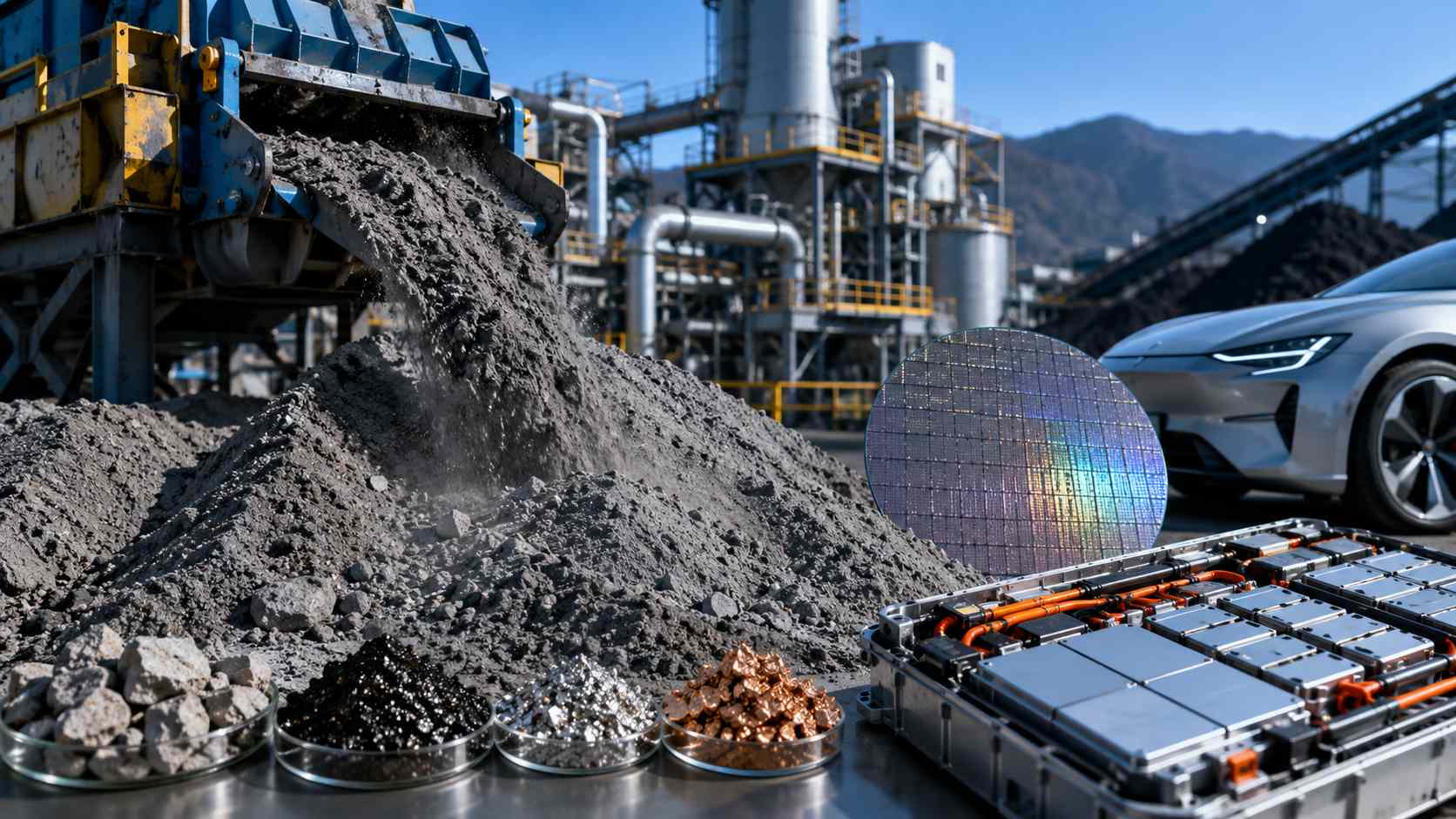
China wants to transform coal waste into a source of critical metals and use industrial ash to extract germanium, lithium, gallium, and aluminum used in batteries, chips, and electric vehicles.

-
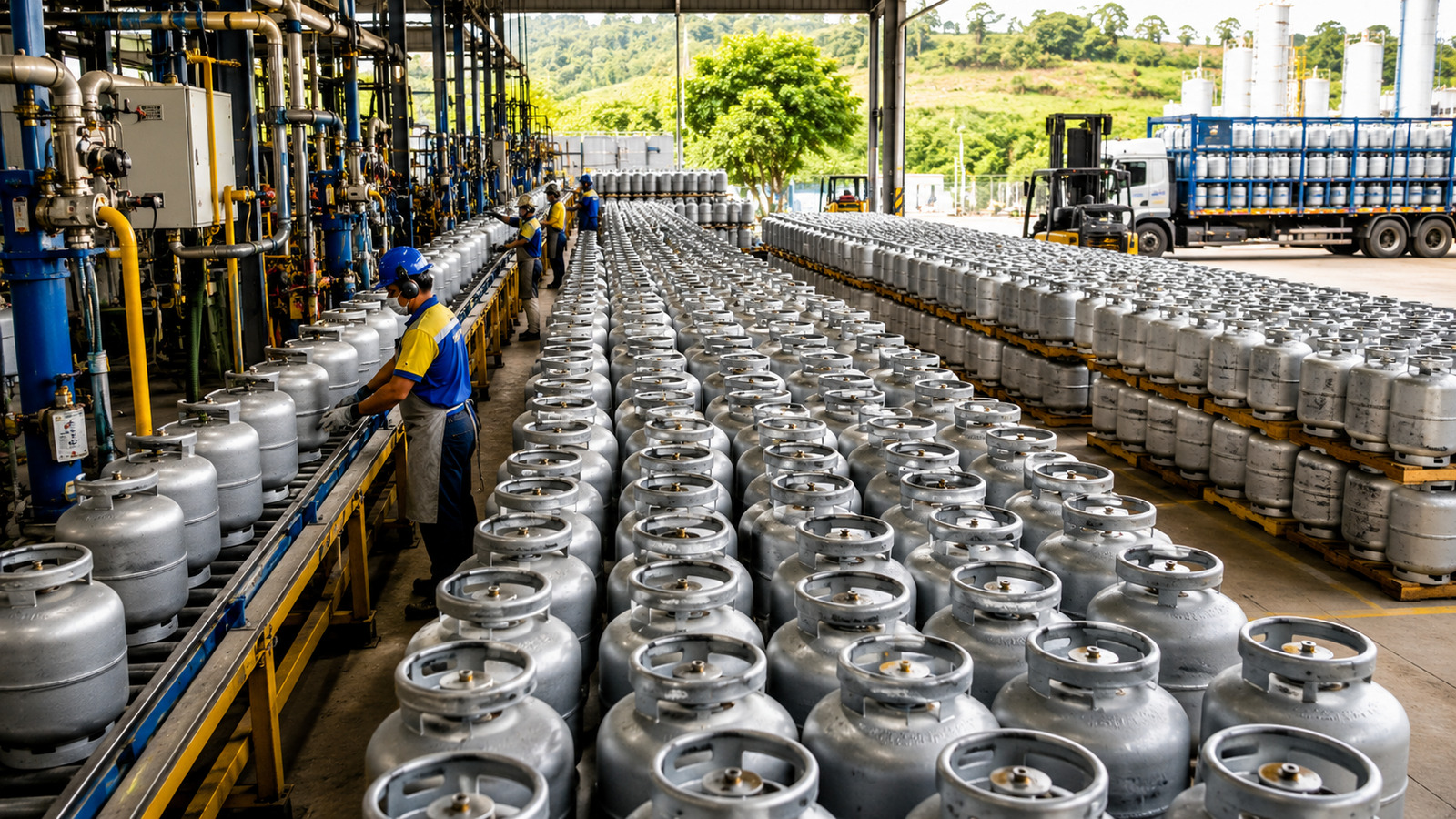
How does Brazil manage to deliver 13 gas cylinders per second?

-
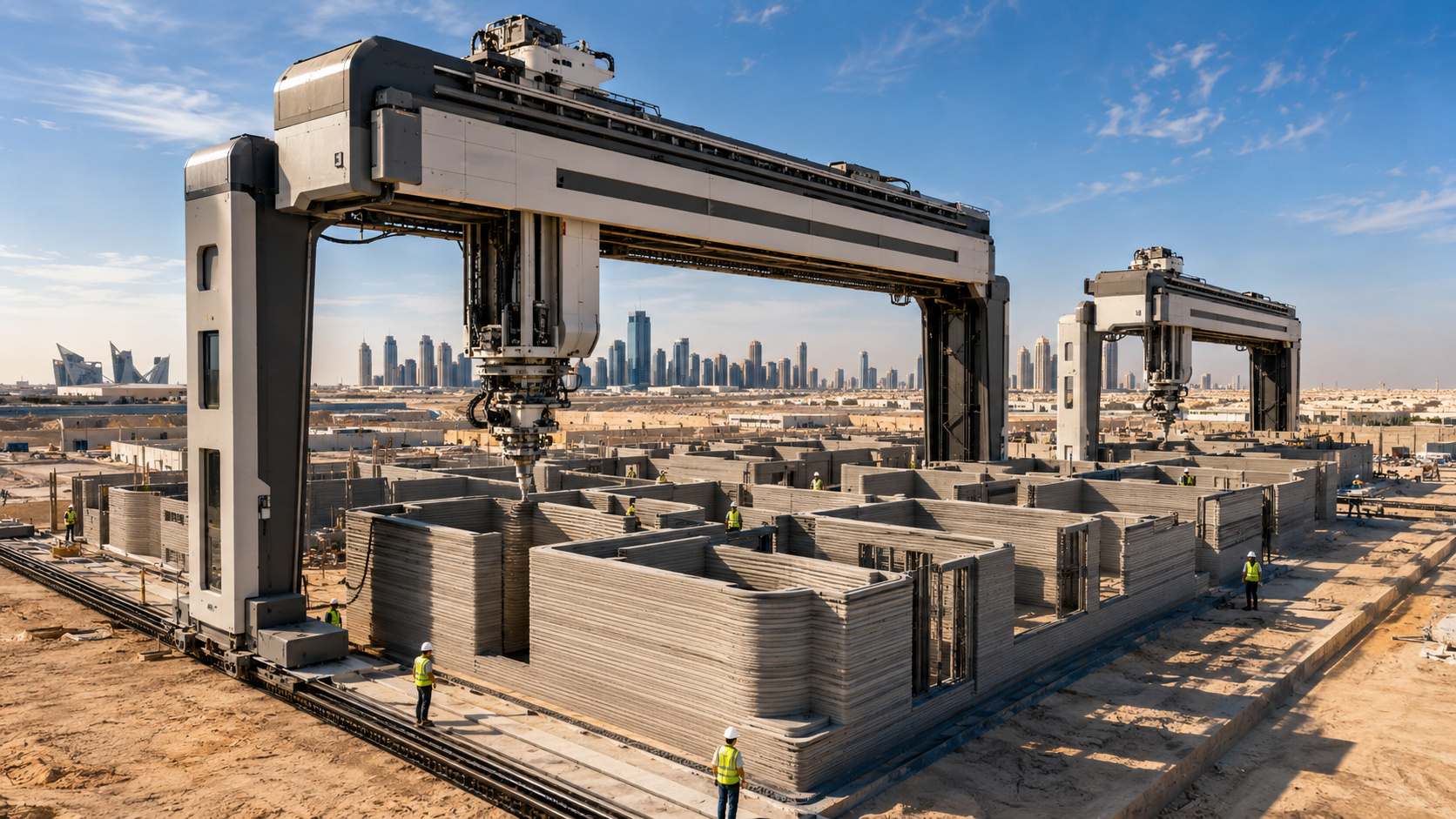
While school construction still relies on months of traditional masonry, in Qatar two 50-meter 3D printers will build entire schools in concrete with machines the size of a construction site.
-
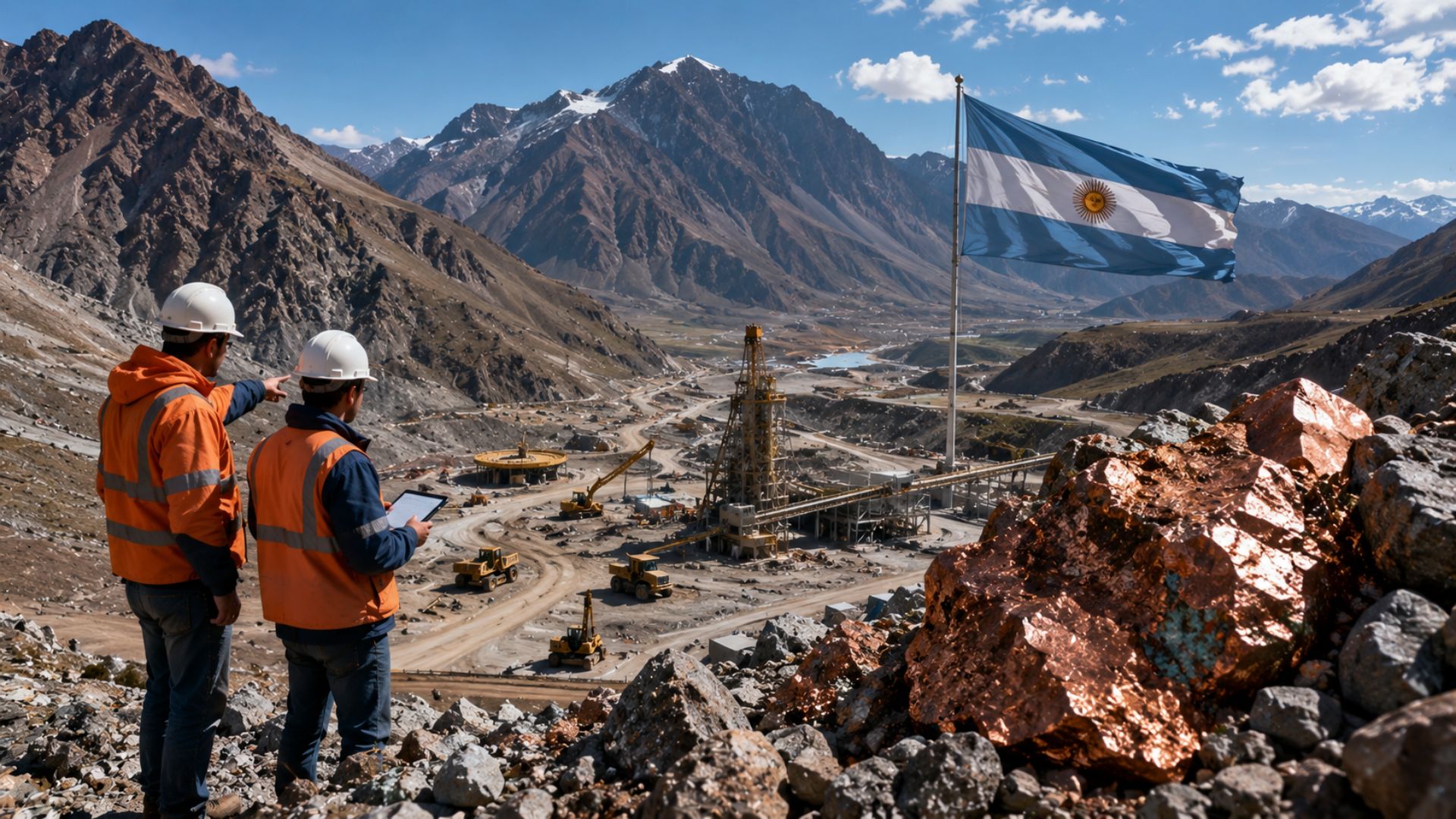
Without producing a single ton of copper today, Argentina wants to become one of the ten largest producers of the metal in the world by 2035, betting on the Andes deposits and billion-dollar incentives from the Milei government to unlock projects that have been stalled for decades.

Chaired by Minister Alexandre Silveira and with the presence of President Luiz Inácio Lula da Silva, the meeting focused on defining public policies aimed at sustainability, competitiveness and strengthening national mining.
During the meeting, Lula emphasized that only 30% of Brazilian territory is mapped on a 1:100,000 scale, a reference considered suitable for attracting investments.
The president highlighted that better understanding the country’s wealth is essential for promoting sustainable and technically structured development.
Public Governance And Mineral Sustainability In Brazil
By joining the National Council of Mineral Policy, the SGB reinforces its commitment to sustainable mining based on technical knowledge.
Sabrina Góis emphasized that the agency’s presence in the CNPM symbolizes the SGB’s engagement with public policies aimed at the responsible growth of mining.
She highlighted the institution’s role in generating essential geological data, including about the Blue Amazon, a strategic area for the country.
The SGB is part of the working group on Supervisory Fees and Sectoral Charges, responsible for proposing adjustments to mineral legislation. Three other groups were created:
- GT of Critical and Strategic Minerals, which aims to promote the productive chain of these minerals;
- GT of Sustainable Development in Mining, dedicated to social and environmental responsibility;
- GT of Diagnostic Study on Mining Supervision, which analyzes the actions of the National Mining Agency and cooperation between federative entities
Geological Mapping And Critical Minerals For Energy Transition
The recent initiatives of the SGB reinforce its contribution to the National Council of Mineral Policy and the formulation of policies for the sector.
Among the highlighted actions is the resumption, after ten years, of aerial geophysical surveys, a fundamental technique for mapping the subsoil.
The first flights, conducted in Tocantins, cover 20 municipalities and will allow the identification of new mineral deposits with high-precision data.
In addition, the SGB launched PlanGeo 2026–2035, which defines the priority projects for the next decade.
The plan includes 145 strategic areas, prioritizing minerals such as lithium, copper, rare earths, graphite, tin, and phosphate, essential for energy transition and food security.
Mineral Development And Strengthening Of National Public Policy
Based on the guidelines approved by the National Council of Mineral Policy, the Federal Government structured the National Mining Plan (PNM-2050) and the Sector Goals and Actions Plan.
Both aim to balance economic development with environmental responsibility.
The active presence of the SGB ensures the technical and scientific application of these guidelines, consolidating the institution as a reference in geosciences and as a link between geological knowledge and the formulation of public policies.
The joint work between ministries, the SGB, and the MME reinforces the need for accurate data and solid planning to expand the geological mapping of the country, stimulating investments and ensuring that national mining advances with innovation and sustainability under the strategic perspective of the National Council of Mineral Policy.








Be the first to react!