Portuguese
  Spanish


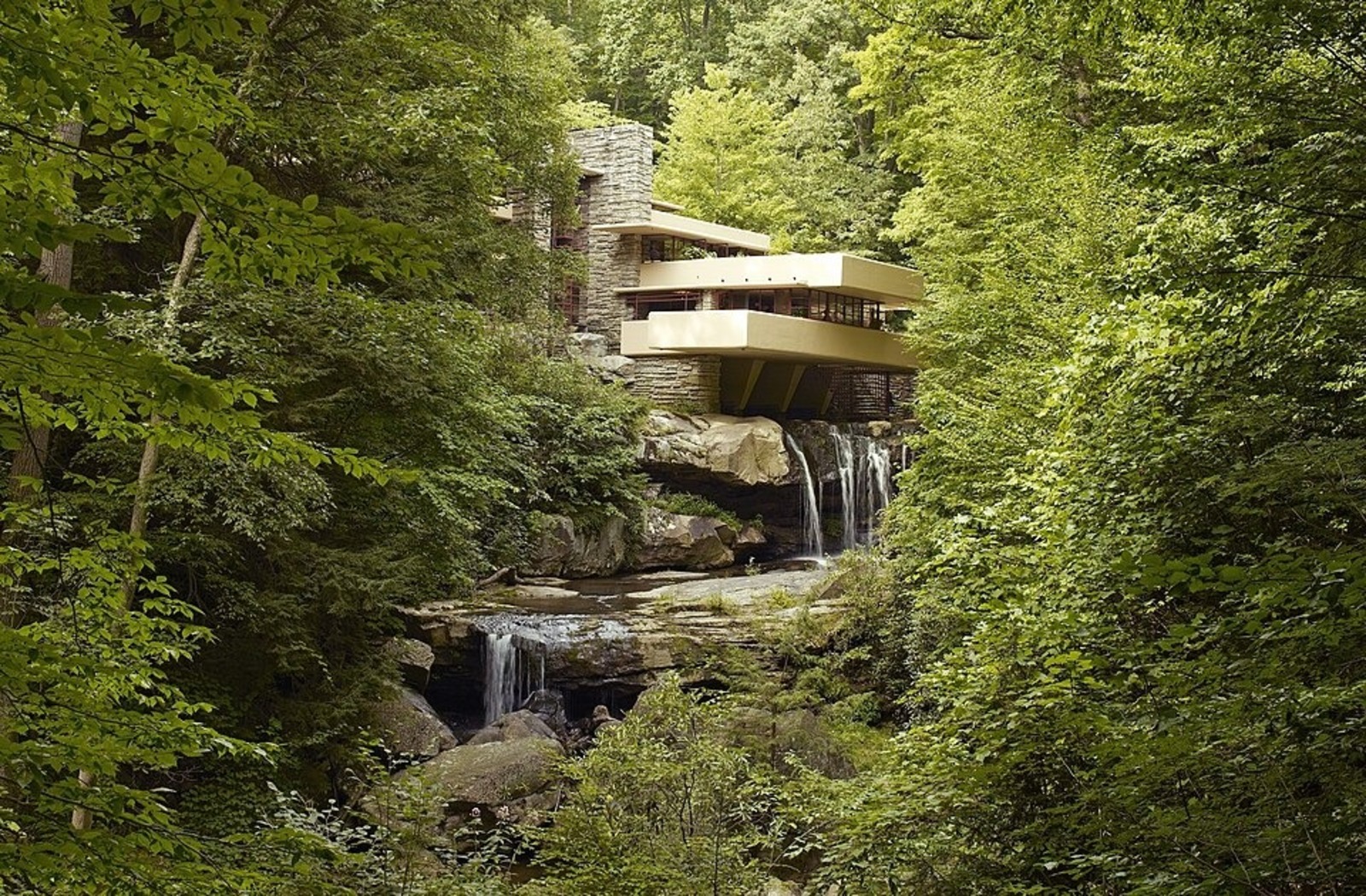


Designed By Frank Lloyd Wright Over A Waterfall, Fallingwater Continues To Charm 140 Thousand Visitors A Year And Is Now Facing A New Phase Of Million-Dollar Renovations To Preserve Its Structure And UNESCO World Heritage Status
Considered “the greatest architectural masterpiece” of all time, Fallingwater is one of the most remarkable creations of American architect Frank Lloyd Wright. Located southeast of Pittsburgh, in the United States, the residence surprises because it was not built next to the Bear Run waterfall, but literally over it.
Today, the property is a historic landmark in the U.S. and operates as a museum, welcoming thousands of visitors every year.
Its integration with nature and organic style have made it a symbol of Wright’s genius and the boldness of modern architecture.
-
Brazilian Airport to Receive $2.8 Million Investment, Completion Expected Within a Year

-
UN Warns of AI’s Environmental Impact and Calls for Greater Corporate Transparency

-
Former Atacadão Employee Turns Online Cake-Baking Lessons into a Confectionery Brand with Factory, Store, Delivery, and Nearly $400,000 in Revenue
-
Brazilian Startup Sells Nearly 9 Million Surprise Bags of Near-Expiry Food, Prevents Thousands of Tons of Waste, Aiming for $42 Million Revenue by 2026




A Project That Grew From A Disagreement
According to the BBC, in a report from 2017, the project arose from a commission made by businessman Edgar J. Kaufmann and his wife, Liliane.
The couple wanted a house with a view of the waterfall. Wright, however, defied the request and proposed something much more radical: to raise the structure directly above the flowing water.
It was the 1930s, marked by the Great Depression, and Wright was already known for his undeniable talent and provocative personality.
At times, the architect even threatened to give up the project because the client disagreed with his ideas. After lengthy discussions, construction finally began.
Technical Challenges And Natural Charm
The boldness of the design brought difficulties. Part of the construction began to sag, and leakage problems arose soon after the work started.
Even so, Liliane came to admire the outcome, which was completely different from traditional houses.
In a letter to Wright, she wrote that from her window she saw “a tree with bare intertwined branches“, considering it “a more than satisfactory substitute for curtains“.
This description perfectly reflected the spirit of the work: harmony between the natural and the human, between stone, wood, and flowing water.
Recognition And Million-Dollar Restoration Of Fallingwater
Completed in 1938, Fallingwater gained immediate fame. In the same year, it appeared on the cover of Time magazine, which rated it as “the most beautiful work” of the architect. Valued at 155 thousand dollars at the time, Wright received 8 thousand for the creation.
Decades later, the structure faced serious structural risks. To prevent collapse, more than 11 million dollars were invested in an extensive restoration process that ensured its preservation.
Currently, Fallingwater is undergoing a new important restoration process that extends until 2026.
The Sad Fate And Legacy Of Fallingwater
The history of the residence has also been marked by tragedies. In 1952, Liliane Kaufmann committed suicide in the house, and three years later her husband died.
The couple’s son, Edgar Jr., inherited the property and shared it with architect Paul Mayén, who designed the visitor center and gift shop in the early 1980s.
Later, Edgar Jr. donated the property to the Western Pennsylvania Conservancy, which has since kept alive the work that united art, nature, and boldness — a house literally built over the eternal sound of a waterfall.
With information from Aventuras na História.