






 Portuguese
  Spanish
  4 min of reading
  0 comments



Construction Industry Advances With Works, Investments, and Heated Demand, But Struggles With Labor Shortages, Pressured Salaries, Recurring Delays, and an Urgent Need to Migrate to Technology and Industrialized Systems
The construction industry returned to consistent growth in 2024 and maintained this pace in 2025, driven by public works, the resumption of housing credit, and pent-up real estate demand. The scenario, at first glance, is one of heating and sector expansion.
However, behind the positive numbers, the construction industry faces a structural problem that threatens this growth: a lack of labor. The sector is experiencing a worker blackout, with direct impacts on deadlines, costs, and the traditional production model, creating unprecedented pressure for change.
Strong Growth Exposes an Old Bottleneck
The construction industry recorded growth above expectations in 2024, with a significant increase in the volume of works and investments. Under normal conditions, this scenario would indicate full execution capacity and expansion.
-
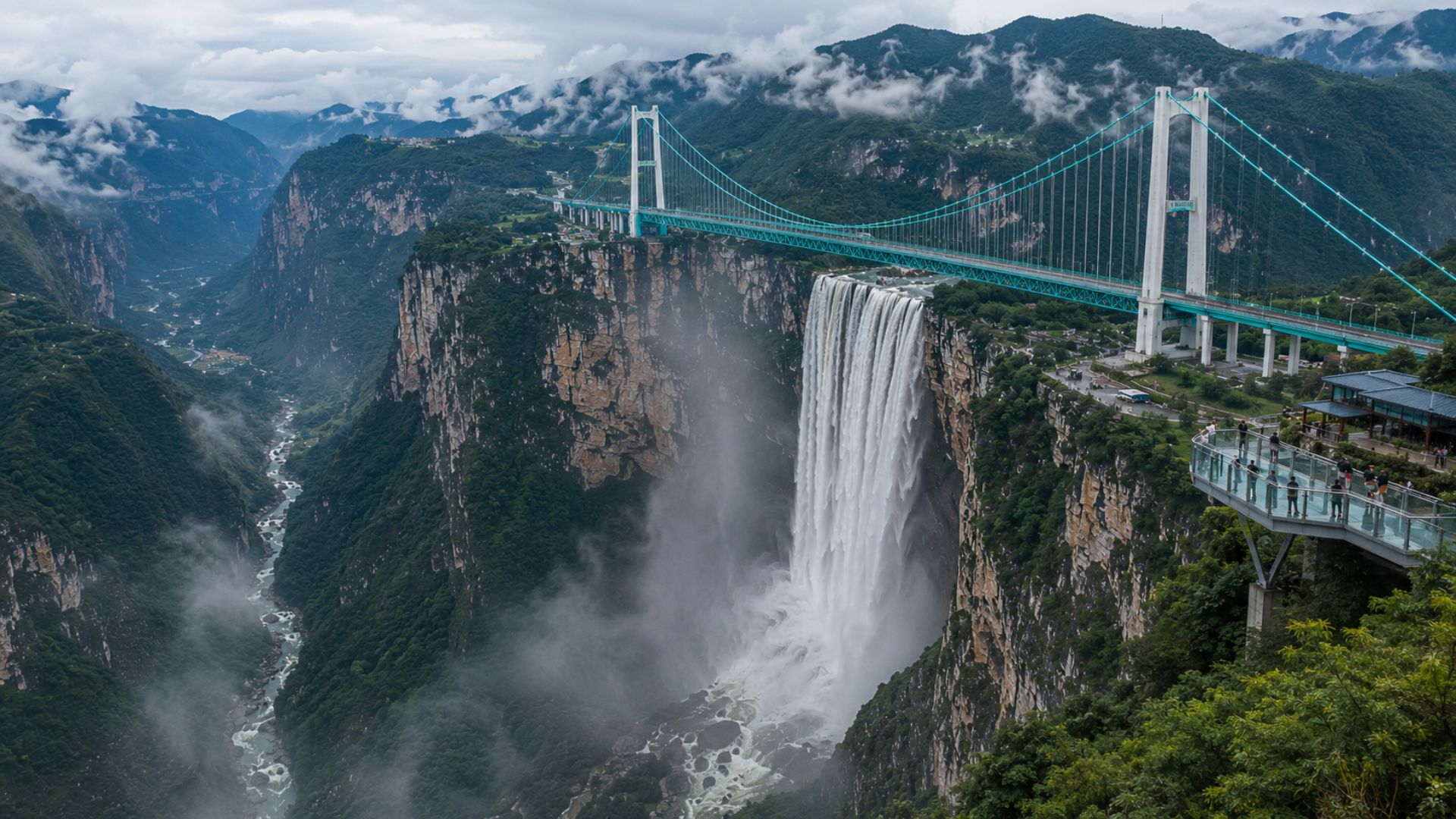
During the construction of the world’s highest bridge, the Huajiang Bridge in China, engineers discovered a giant aquifer and turned what would have been a serious problem into a 625-meter artificial waterfall, an engineering feat that no one had planned.

-
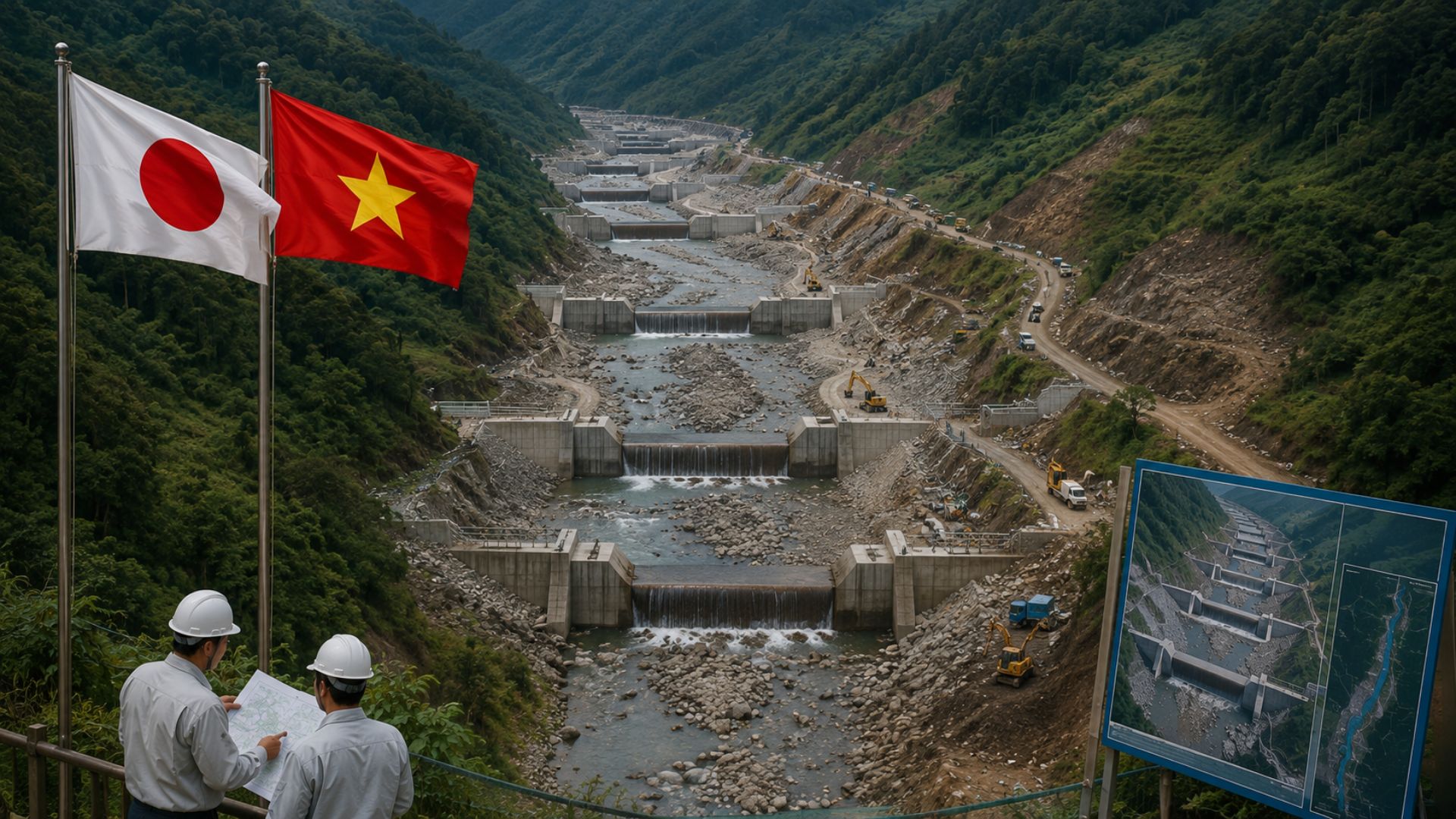
The river rose 15 meters overnight and devastated a village in Vietnam in 2025, and Japan responded with dams that hold back mud and stones, training 15,000 people for evacuation, and a sewage station for 1 million residents.
-
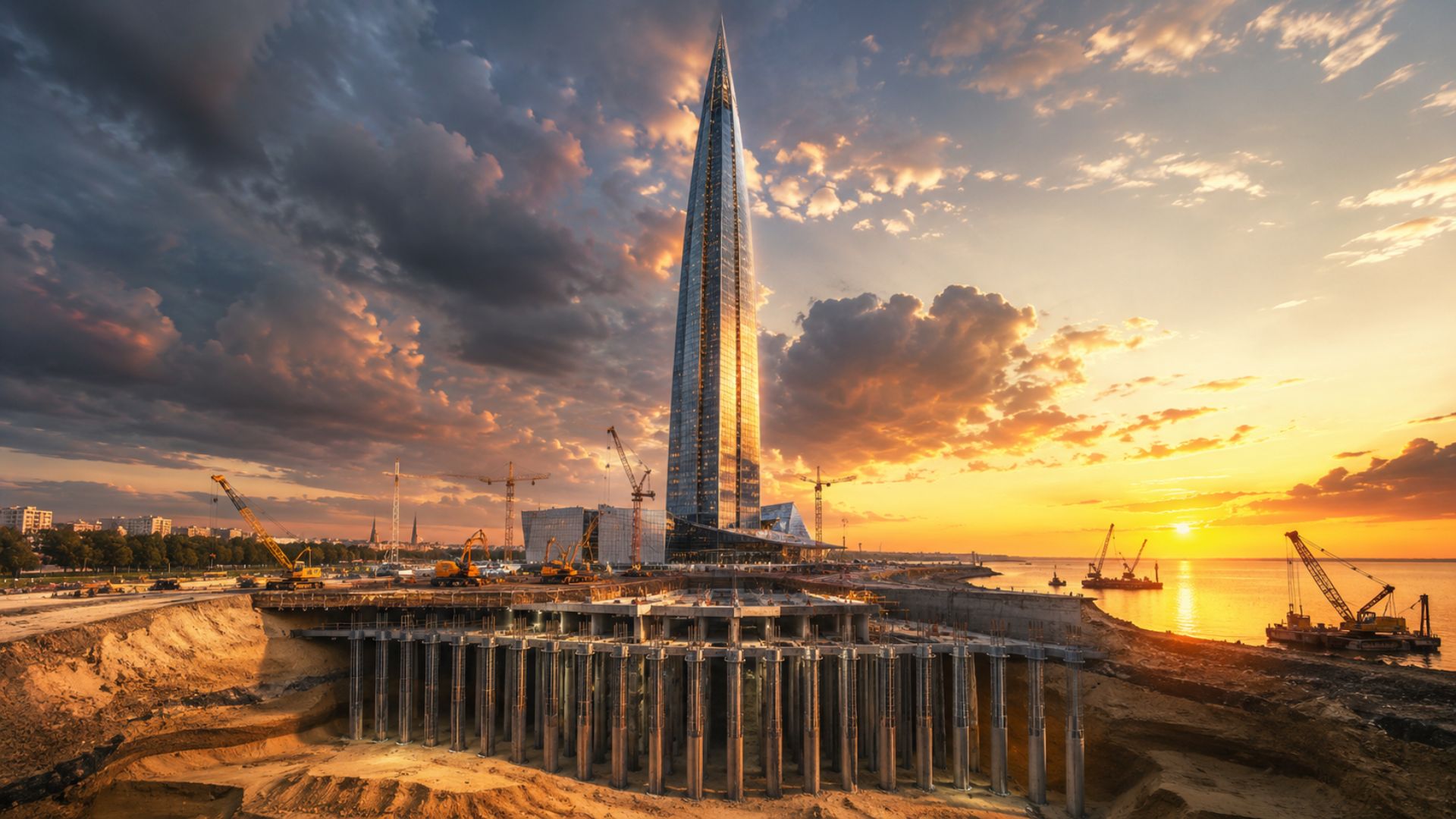
Russia erected the tallest building in Europe on ground as soft as quicksand, on the edge of the Gulf of Finland, with 264 piles of 25 meters, 30 thousand tons of steel, and 16,500 glass panels curved one by one in Saint Petersburg.
-
A mother of four sought a safer family environment, watched tutorials on the internet, built a 325 m² house with her family, and learned foundation, walls, plumbing, and electrical work without any professional experience.


The problem is that there are more works than people to execute them. Even with high demand, companies report an increasing difficulty in filling operational vacancies, especially in the final phases of construction, such as finishing and installations.
The End of the Model Based on Abundant Labor
For decades, the Brazilian construction industry relied on a labor-intensive model, with low qualifications, reduced salaries, and little innovation. This system functioned while there was a large pool of workers available.
This stock has disappeared. Economic crises, stoppages of major works, falling incomes, and instability pushed millions of professionals away from the sector, who did not return when the market began to heat up.
Pressured Salaries and Delayed Works


With the scarcity of workers, the market rule has prevailed. Labor has become more expensive and unstable. The cost of labor has become one of the main pressure factors on construction budgets, even exceeding the variation in materials at various times.
The result appears quickly: recurring delays, high turnover on job sites, bidding for professionals among companies, and projects that fail to materialize due to economic unviability.
Construction Industry Loses Out to Apps

The construction industry now competes directly with the app economy. For many workers, driving or delivering seems more attractive than facing heavy labor, physical risks, and hostile environments on job sites.
In addition to immediate income, apps offer something that traditional construction rarely guarantees: a sense of control over one’s own time. This generational shift has drastically reduced young people’s interest in the sector.
Aging Exacerbates the Labor Crisis
Another critical factor is the aging of workers in the construction industry. The average age is rising rapidly, while the influx of young workers is declining. This creates two simultaneous problems: physical limitations for heavy tasks and the loss of practical knowledge accumulated over decades.
Without new apprentices, fundamental techniques stop being transmitted, increasing errors, rework, and waste.
Technology and Industrialization Are No Longer Options
In light of this scenario, the construction industry is forced to change. Putting more people on site no longer solves the issue. The solution lies in producing more with fewer people, reducing manual labor, and transferring stages to controlled environments.
Industrialized construction transforms the job site into an assembly location, accelerates timelines, reduces waste, and decreases dependence on manual labor. In many cases, the construction time decreases significantly.
Digitalization Redefines the Way of Building
Industrialization is accompanied by digitalization. Comprehensive planning before execution, reduced errors on-site, and less rework become the norm. Technology allows for getting more done with fewer people, exactly what the sector needs to survive.
This new model requires workers with project reading skills, technical knowledge, and some digital literacy, which reinforces the need for practical, targeted qualification.
Immigration and Women Help Alleviate the Short Term
To address the immediate problem, the construction industry has started to absorb more immigrant workers, who find in the sector a quick and formal entry into the job market. At the same time, female participation is increasing, especially in more mechanized and organized environments.
Companies report quality gains, organization, and reduced conflicts with more diverse teams, something made feasible precisely by industrialization.
A Sector Forced to Reinvent Itself
The scarcity of labor is not temporary. The model of infinite labor is over. The population is aging, young people have different expectations, and heavy labor has lost its attractiveness.
The construction industry that will thrive in the coming years will be one based on technology, efficient processes, industrialization, and practical qualification. Sustainability ceases to be just a discourse and becomes a direct consequence of a more rational, productive, and predictable sector.
And you, have you practically felt the effects of the labor shortage in the construction industry, or do you believe the sector still resists this transformation?







-

-

-

-

-

-

11 people reacted to this.