Portuguese
  Spanish


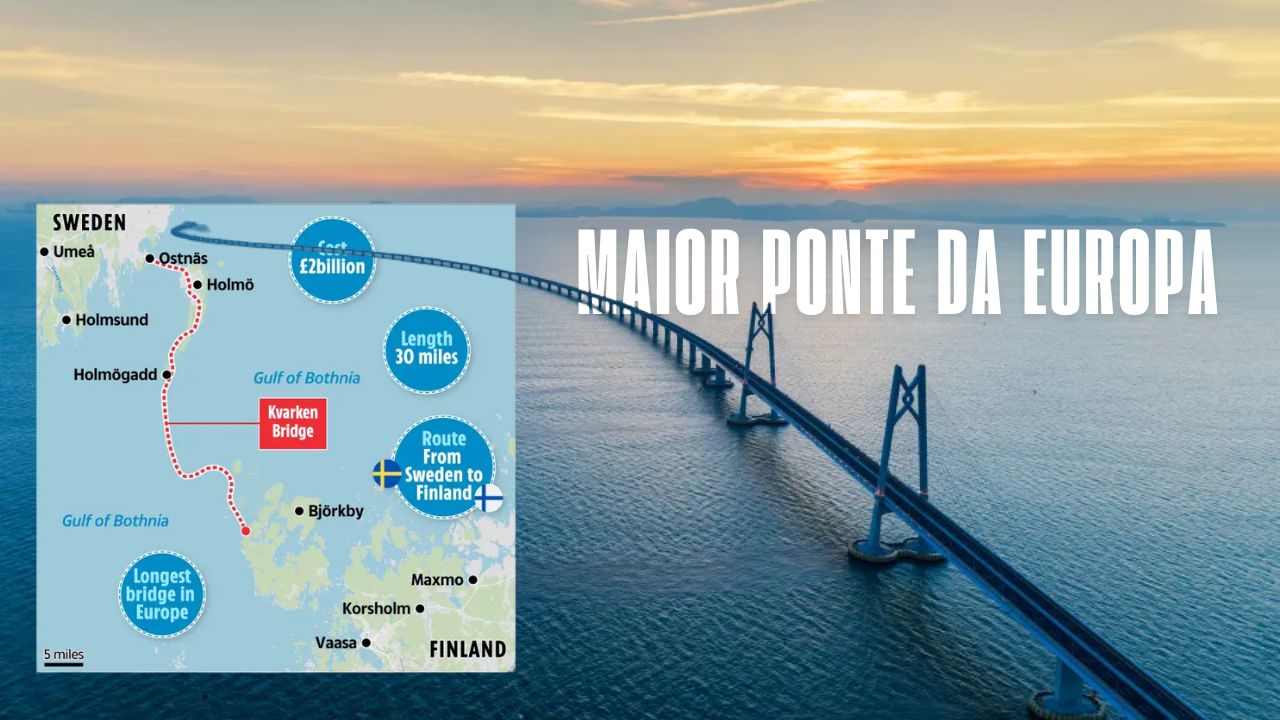


Finland Is Moving Forward With Ambitious Plans For The Construction Of Europe’s Largest Bridge. The 48 Km Kvarken Bridge Promises To Connect The Finnish City Of Vaasa To The Swedish City Of Umeå, Creating A New Transport Axis Over The Gulf Of Bothnia.
The construction of the project arises as a response to the need to strengthen transportation infrastructure in Northern Europe, especially in light of the growing geopolitical tension with Russia.
The Finnish government has already expressed support for the initiative, but international investments are still needed to make the project viable.
Kvarken Bridge: The Connection Between Finland And Sweden
Currently, the only direct connection between the cities of Vaasa and Umeå is by ferry, a journey that can take up to four hours. For drivers, the trip requires a long detour to the north, making the journey slow and inefficient.
-
Santa Catarina Launches $1.4 Billion, 145-Kilometer Highway Project with Six Lanes and Speeds Up to 120 km/h

-
Couple Transforms 1913 School into 370 m² Home with Four Bedrooms After $175,000 Purchase and Three Years of Renovation

-
Bamboo Houses Built in 7 Days for the Price of a Smartphone: 26 Survived Intact in Myanmar’s 7.7 Earthquake
-
Prefabricated Home Assembled in Days Offers Cleaner, More Efficient Construction with Factory-Made Panels, Requires Technical Design to Prevent Moisture Issues





With the construction of the Kvarken Bridge, the travel time between the countries would be drastically reduced, improving the transport of people and goods. The project plans for three large sections interconnected by islands in the region, along with an elevated structure to allow the passage of large vessels.
The project would strengthen the relationship between Finland and Sweden, as well as boost the economy of the region, making travel faster and safer.
The Cost And Challenges Of Construction
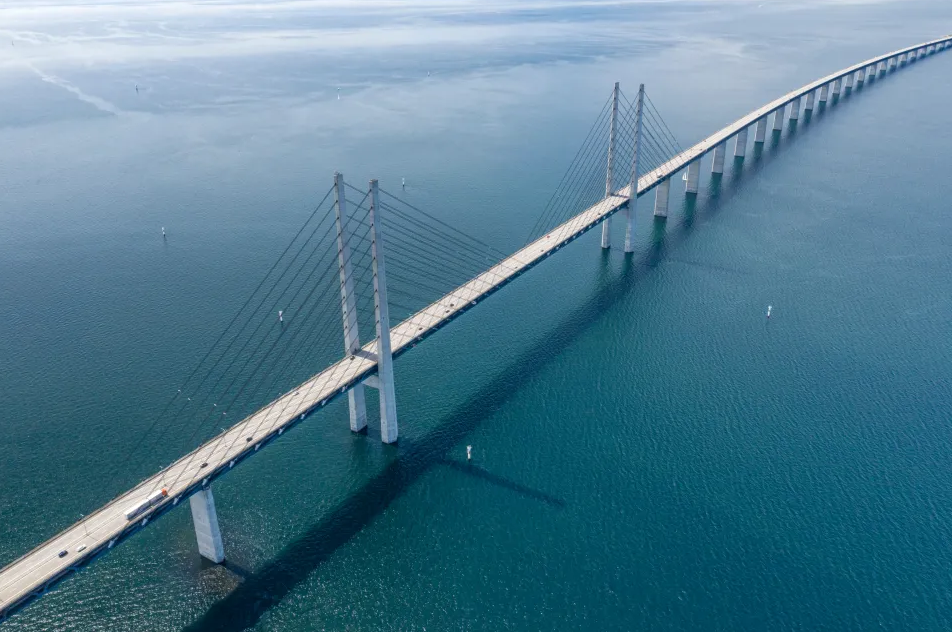
The construction of the Kvarken Bridge will require an estimated investment of € 2 billion (around R$ 10.8 billion). The project will be partially funded by the governments of Finland and Sweden, but international resources still need to be secured to make the project viable.
In addition to the high cost, the project faces significant technical challenges. As the bridge will be built over open sea, the structure will need to withstand severe weather conditions and ensure the safety of vessels transiting the region.
Another point of analysis for the construction is the environmental impact. Studies have already been commissioned to assess the project’s feasibility and determine any possible effects on the local ecosystem.
Other Connections Under Study To Integrate Northern Europe
In addition to the Kvarken Bridge, other infrastructure projects are being evaluated to better connect Northern Europe. Among them, the following stand out:
- Connection via Denmark: a plan to connect Helsinki and Stockholm through a series of bridges and highways, passing through the Åland archipelago and reaching Copenhagen via the Øresund Bridge.
- Helsinki-Tallinn Underwater Tunnel: a mega railway tunnel of nearly 100 km, which would connect Finland to Estonia, becoming the world’s largest underwater railway tunnel.
The construction of the underwater tunnel, however, faces financial difficulties. Despite support from the European Union, the estimated cost is € 20 billion, which makes its viability still uncertain.