






 Portuguese
  Spanish



How The Construction Of The Newton Navarro Bridge Transformed Traffic And Boosted Development In Rio Grande Do Norte
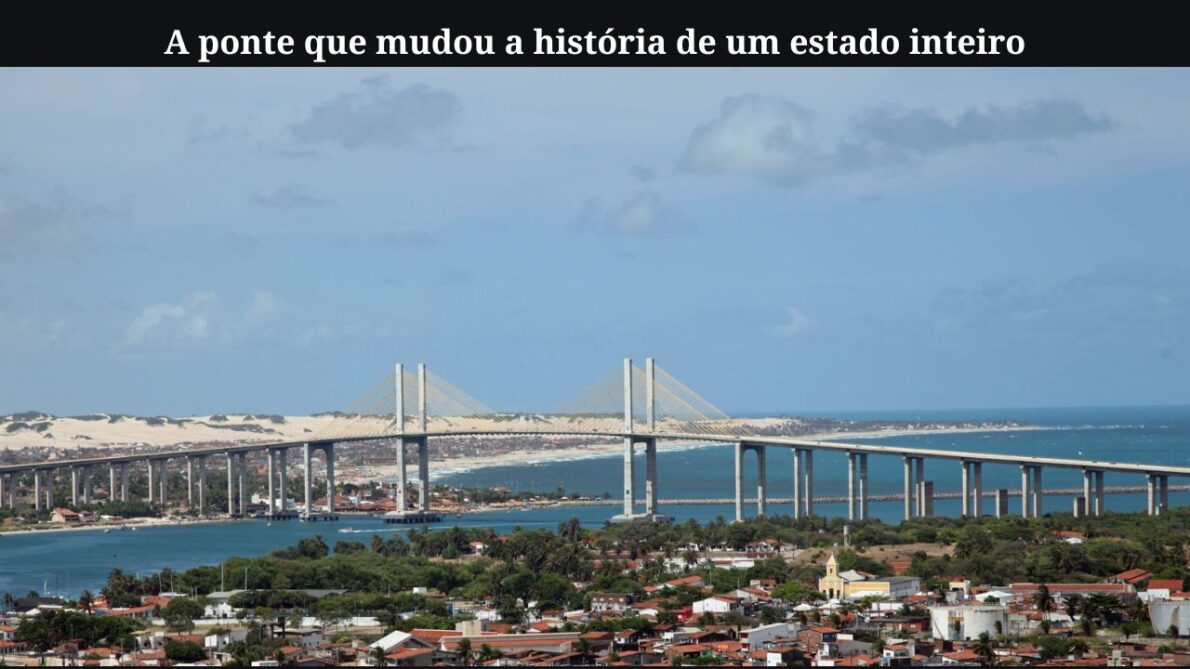
Have you ever imagined a grand construction that could unclog the traffic of an entire city and still become a postcard? The construction of the Newton Navarro Bridge not only made this possible but also changed the history of Natal, in Rio Grande do Norte.
The construction of the Newton Navarro Bridge arose from the urgent need to unblock traffic on the Igapó Bridge, improving access to São Gonçalo do Amarante International Airport and the developments in the northern region. With approximately 1.8 km in length, the cable-stayed bridge connects the northern zone to the eastern zone of Natal, crossing the majestic Potengi River.
Named in honor of the potiguar artist Newton Navarro — a playwright, poet, draftsman, and painter who portrayed in his works the neighborhoods of Redinha, Ribeira, and local fishermen — the bridge has become a symbol of progress and culture for the city.
-
China to Drill 90 Kilometers Under the Sea to Connect Two Cities Currently Linked Only by Ferry

-
18 m² Home Built in Two Days by Teto Volunteers Provides Shelter from Insects and Cold for Resident in Brazilian Community; 43 Delivered in 2026

-
$134.7 Million Project in São Paulo Installs Over 5 Kilometers of Pipes, Creates New Underwater Crossing to Boost Water Supply for Over 450,000 People

-
At 61, Former Homeless Wheelchair User Receives Key to Container Home in Brazil, Declares Independence



Construction Of The Newton Navarro Bridge
The journey to the construction of the bridge was not easy. Since 1992, the population had been clamoring for a solution to the chaotic traffic, but technical difficulties and the lack of companies willing to face the challenge delayed the project. Considered by many as an impossible feat, the bridge only began to be built in 2003, after years of stagnation and bureaucracy.
Monumental Challenges
Designed by Italian engineer Mário de Miranda, the construction faced monumental challenges, such as the installation of 500 meters supported by steel cables attached to two central blocks and the implementation of pillars over 140 meters tall. In total, 144 steel cables and about 63,000 cubic meters of concrete were used, with 70% of it pre-stressed.
The inauguration on November 16, 2007 was celebrated with great festivity, marking the beginning of a new era for Natal. The Newton Navarro Bridge not only facilitated traffic, with a capacity for 60,000 vehicles per day, but also boosted the economic and tourist development of the region. Real estate values skyrocketed, especially near beaches like Redinha.
Newton Navarro Bridge Is More Than An Engineering Feat


However, the bridge also faced post-construction challenges. Collisions into its pillars highlighted the need for safety devices, leading to the installation of protective structures known as “dolphins” in 2018, following notifications from the Public Ministry.
The construction of the Newton Navarro Bridge is more than an engineering feat; it is a testament to the perseverance and fighting spirit of the potiguar people. Despite the obstacles and tragedies associated with it in the following years, the bridge remains a symbol of progress and hope, connecting people and opportunities.
And you, do you believe that large infrastructure projects like the Newton Navarro Bridge are essential for the development of cities or should investments be directed to other areas? Share your opinion in the comments!




Sou baiana e já tinha ido no RN há 20 anos, nesses últimos anos já fui 3 vezes, fiquei impressionada com o crescimento do estado
O melhor projeto para desafogar seria de Aldo Tinoco, o prefeito da época do projeto!
Pois está ponte foi feita só pra turista passear sobre ela e não para navio de grande porte!
A melhor opção e mais viável , seria a construção entre a Ponte de Igapó e o porto da Marinha!
Aí sim; seria a melhor e menos gasto, pois está que foi feita , foi só pra encher os bolsos de políticos corruptos!
Este ponte só tem fluxo para um lado e no meio do rio, teria mais opções para esquerda e direita
Infelizmente a construção da ponte não respeitou os limites de navegação, desta forma, o Porto de Natal passou a sofrer sua decadência. Hoje sem as defesas dos pilares, aprofundamento do canal e principalmente, pela altura de 55m, o Porto não recebe grandes navios de passageiros, de carga granel e tem sua operação limitada somente durante o dia. O governo do Estado e culpado por esta dificuldade operacional do Porto de Natal. Bonita porém geradora de prejuízos.