Portuguese
  Spanish


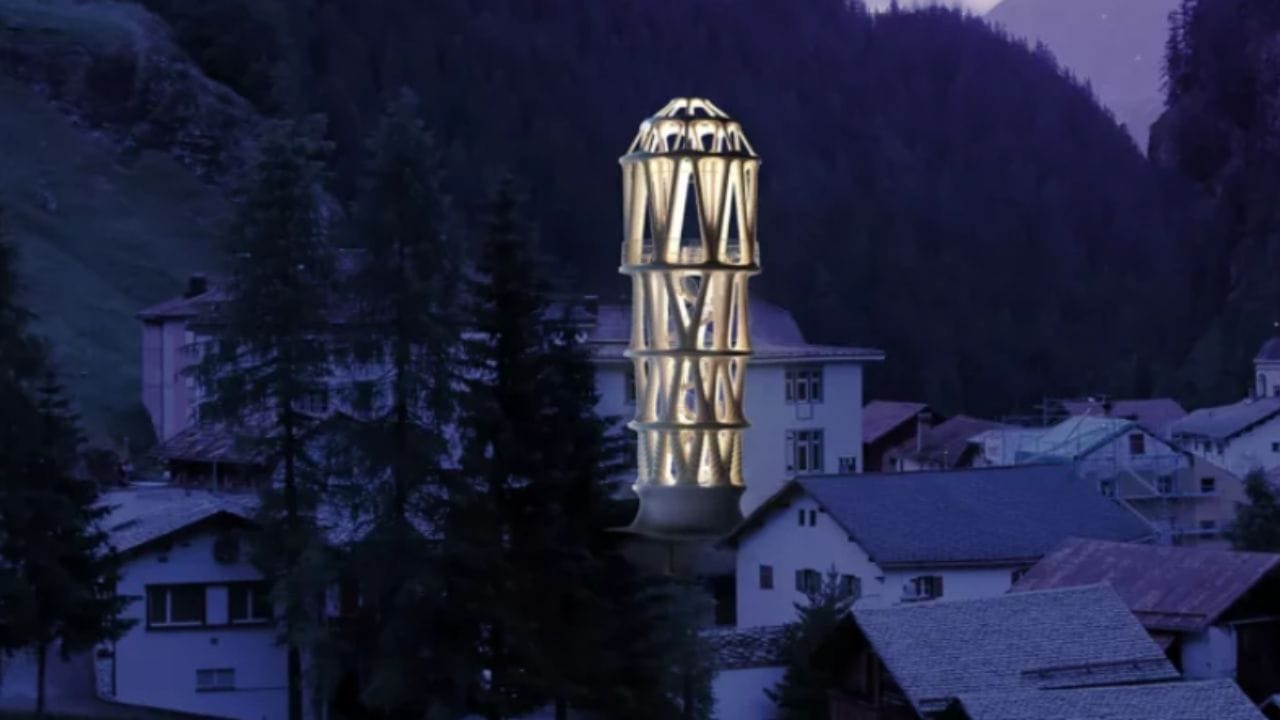

Located in Switzerland, the Tor Alva is 30 meters tall, took five months to build, and demonstrates the potential of 3D printing in construction.
The construction world is witnessing a significant advance. The Tor Alva, the tallest 3D printed building on the planet, has been completed in Switzerland. With an impressive height of 30 meters, the structure took about five months to be erected. Soon, the site will be open for visits and various events.
A Milestone in 3D Construction in Switzerland
The imposing building is located in the small village of Mulegns, in the Swiss Alps. The current population of the area is approximately 11 inhabitants. Now, these residents have a new and remarkable attraction: the Tor Alva, which means “White Tower”.
The building was created by researchers from ETH Zurich. They collaborated with the cultural foundation Fundaziun Origen. The main objective of the project was to demonstrate the vast possibilities and technical capabilities of 3D printing in the construction sector.
-
U.S. City Builds Tiny Home Village on Water Company Land to House 136 Homeless People: Inside the Social Housing Units

-
Woman Turns Shipping Container into Home, Embraces Rural Life to Cut Monthly Expenses to Just Over $330
-
France Revamps 530 Social Housing Units with Large Balconies and Glass Facades Without Demolishing Existing Buildings

-
Facing high rent, couple transforms parents’ garage into a fully functional apartment, creating a complete home at a fraction of the market cost.




Construction Details: Cutting-Edge Technology in Action
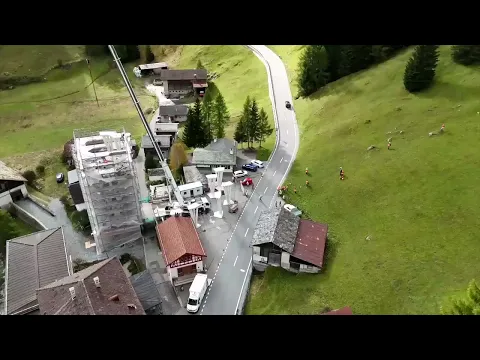

The construction of the Tor Alva required over 900 hours of printing. This period amounts to about five months of continuous work. It is noteworthy that only two machines were involved in the entire production and building process.
First, the 3D printer created a special mixture, similar to concrete, depositing it in layers. Then, a second machine, a specialized robot, inserted steel pieces. These pieces served as crucial reinforcement for the structure. The steel was carefully fitted into the columns like rings, every 26 centimeters in height. The use of these steel bars allows for the construction of columns with complex geometries. Such shapes would be considerably difficult to produce using traditional concrete alone.
A Look Inside the Concrete Giant
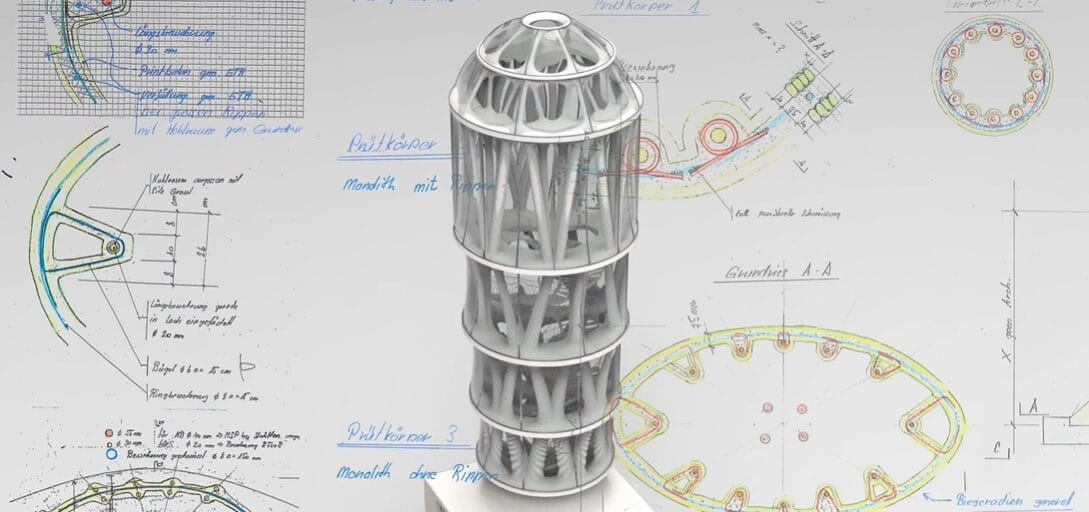
The final result is a 30-meter tall building. Its structure consists of 32 distinct columns made of white concrete. These columns extend vertically over four floors. At the top, the columns elegantly narrow, forming a dome. The interior of the Tor Alva includes stairs that give access to all floors. Additionally, there is a dedicated space for presentations located at the top of the tower. The total capacity is for 32 visitors simultaneously.