Portuguese
  Spanish


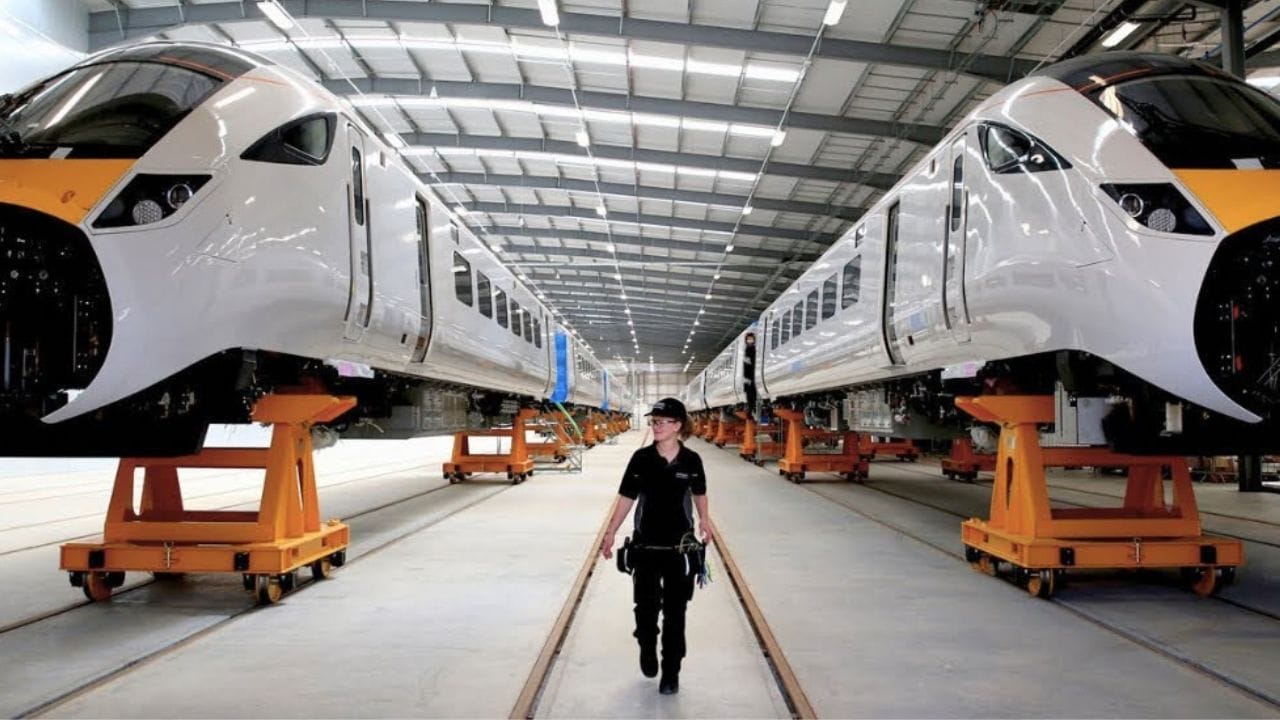

The Ambitious HS2 Railway Project in Great Britain, Initially Budgeted at £31 Billion and Now Estimated at £106 Billion, Faces a Series of Challenges, Including Delays, Design Changes, Protests and Criticism Questioning Its Future Viability.
The construction of High-Speed Rail 2 (HS2), one of the largest infrastructure initiatives in Great Britain, is at a critical crossroads. The project, which promised to revolutionize the country’s transport network by connecting London to Birmingham and extending north to Leeds and Manchester, now faces an uncertain future.
Initially expected to drastically reduce travel times and boost the economy through the creation of tens of thousands of jobs, HS2 represented a landmark in railway development. With trains expected to travel at speeds of up to 360 km/h along a 530 km network, the project was not just a matter of transport but a symbol of progress and innovation.
Escalation of Costs and Challenges
The initial budget of £31 billion has grown to an estimated £106 billion due to a combination of delays, constant design changes, and cost overruns. These challenges, along with environmental and community protests, have transformed what was once a vision of efficiency and connectivity into a matter of national controversy. The project has been classified as “unachievable” in its current form, raising doubts about the investment already made and the cost-benefit of its continuation.
-
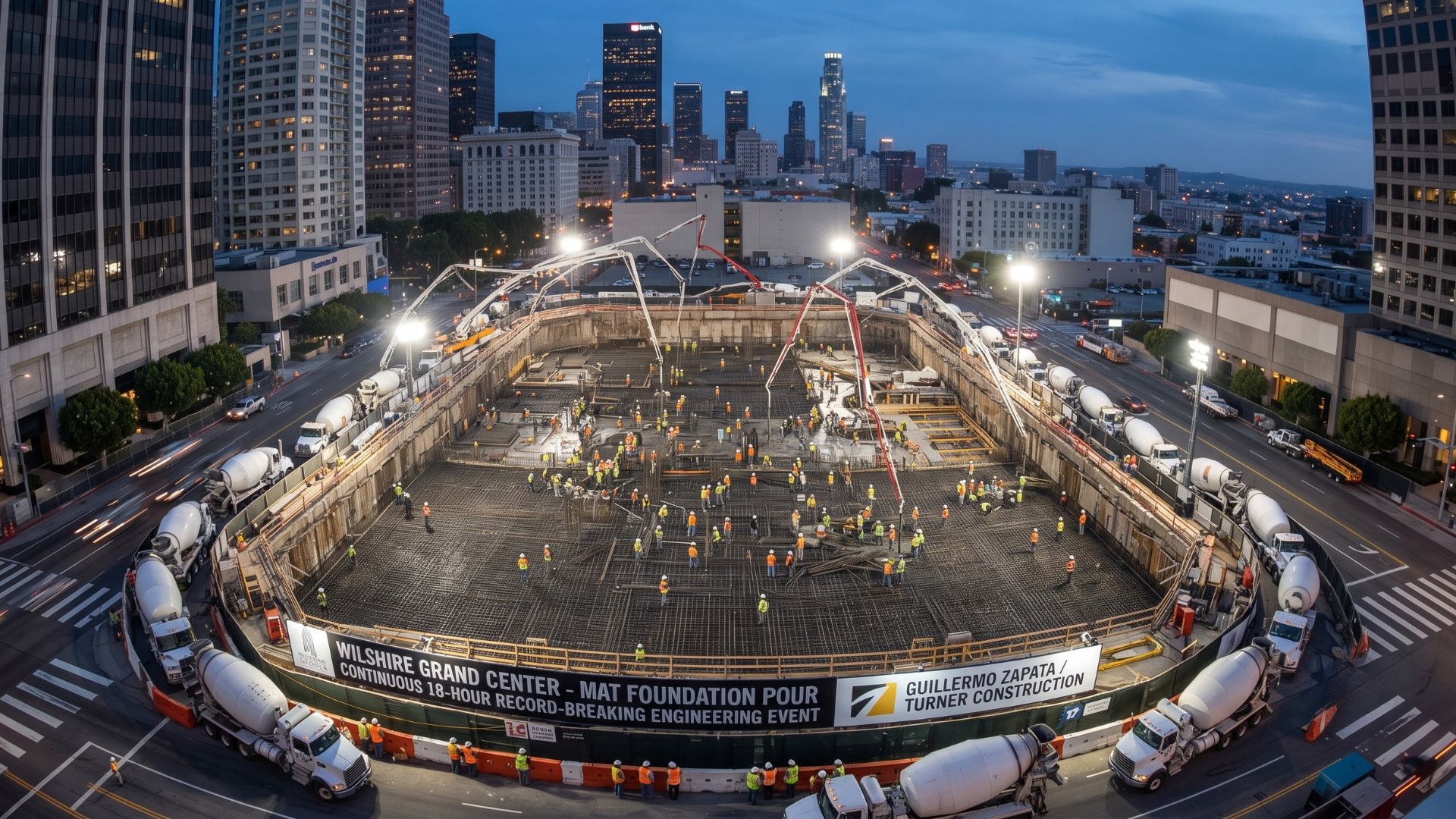
More than 2,100 trucks transported 16,200 cubic meters of concrete without interruption to create the foundation of the tallest skyscraper in the western United States and break a world record.

-
The man who started in construction with his own house founded a company in 1957, went through a banking crisis in 1987, and ended up connected to 16,500 houses in Houston.

-
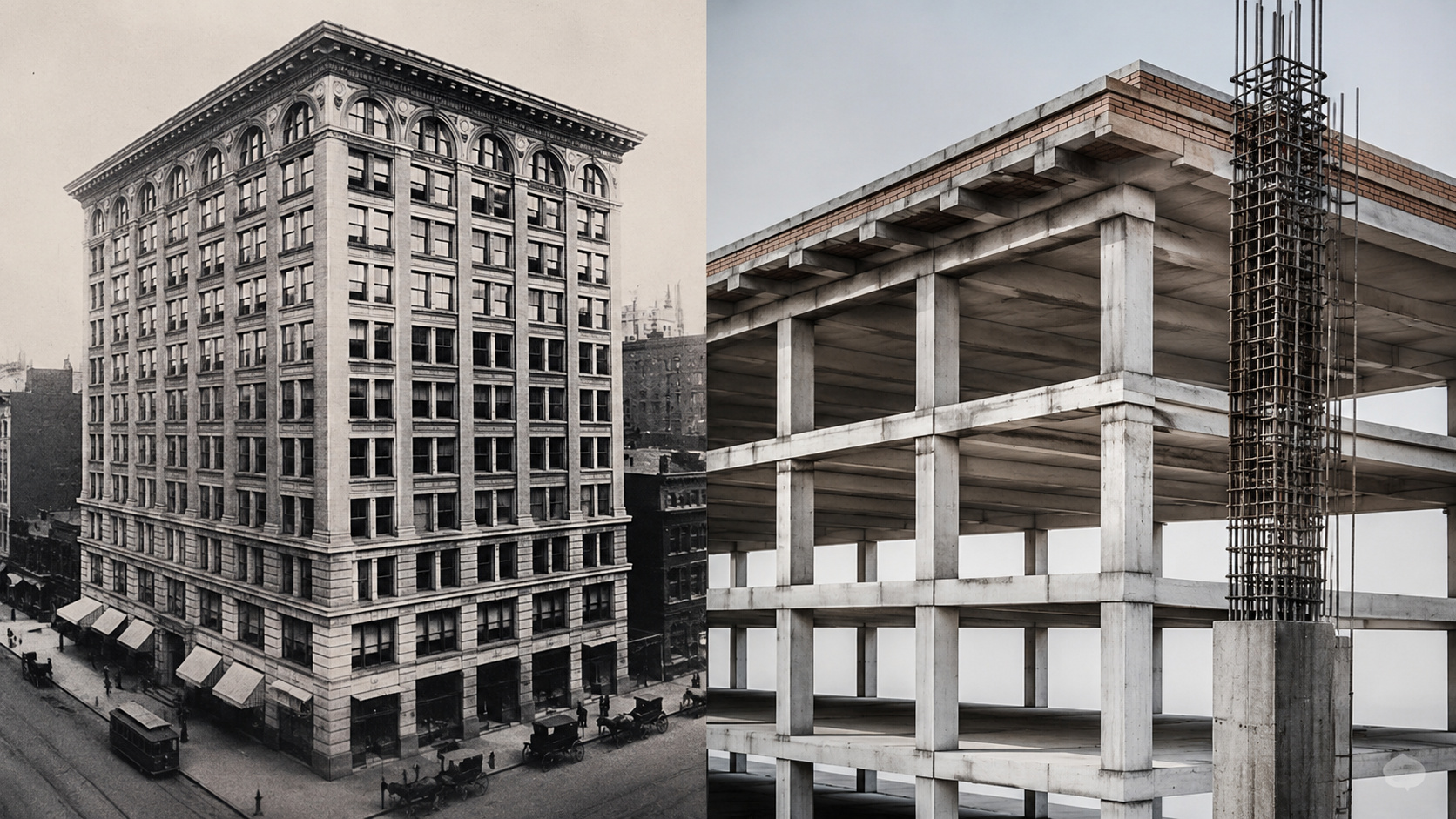
Builders challenged experts, erected a 16-story building using only reinforced concrete when the known limit was six floors, and proved that skyscrapers would never be the same again.
-
Up to 60 concrete mixer trucks pour 380 m³ of concrete onto the “big slab” of Niemeyer’s first work in Amazonas, in a decisive stage of the construction of the monumental oca that will mark the Parque Encontro das Águas in Manaus.



Progresses and Obstacles
Despite the challenges, some progress has been made. The demolition of structures at the Euston station, the start of construction at Old Oak Common, and progress on the Chiltern tunnels are testaments to the ongoing efforts. However, the shift in focus for some sections of the project, such as the postponement of work at Euston station and prioritization of services between Birmingham and Old Oak Common, reflects the need to adapt to inflationary pressures and design revisions.


Economic, Environmental Impact and Uncertainties
HS2 was designed not only to alleviate overcrowding on existing lines but also to stimulate economic development outside London, encouraging businesses to establish themselves in the Midlands and North. Additionally, it is expected to contribute to CO2 emission reductions, aligning with the UK’s carbon neutrality goals by 2050.
Currently, the government and stakeholders are facing tough decisions on how to proceed. With rumors of total or partial cancellation and discussions about cost reductions through slower and less comprehensive services, the final fate of HS2 remains uncertain. The ongoing politicization of the project and intense debates reflect the complexities of realizing an undertaking of this magnitude in the current context.
Initially seen as a transformative project, HS2 now serves as a case study on the challenges of large infrastructure projects. Amid promises of economic and technological advancement and the reality of cost overruns and delays, the future of HS2 remains an open question, with significant implications for the transport network and the economy of the UK.