Portuguese
  Spanish


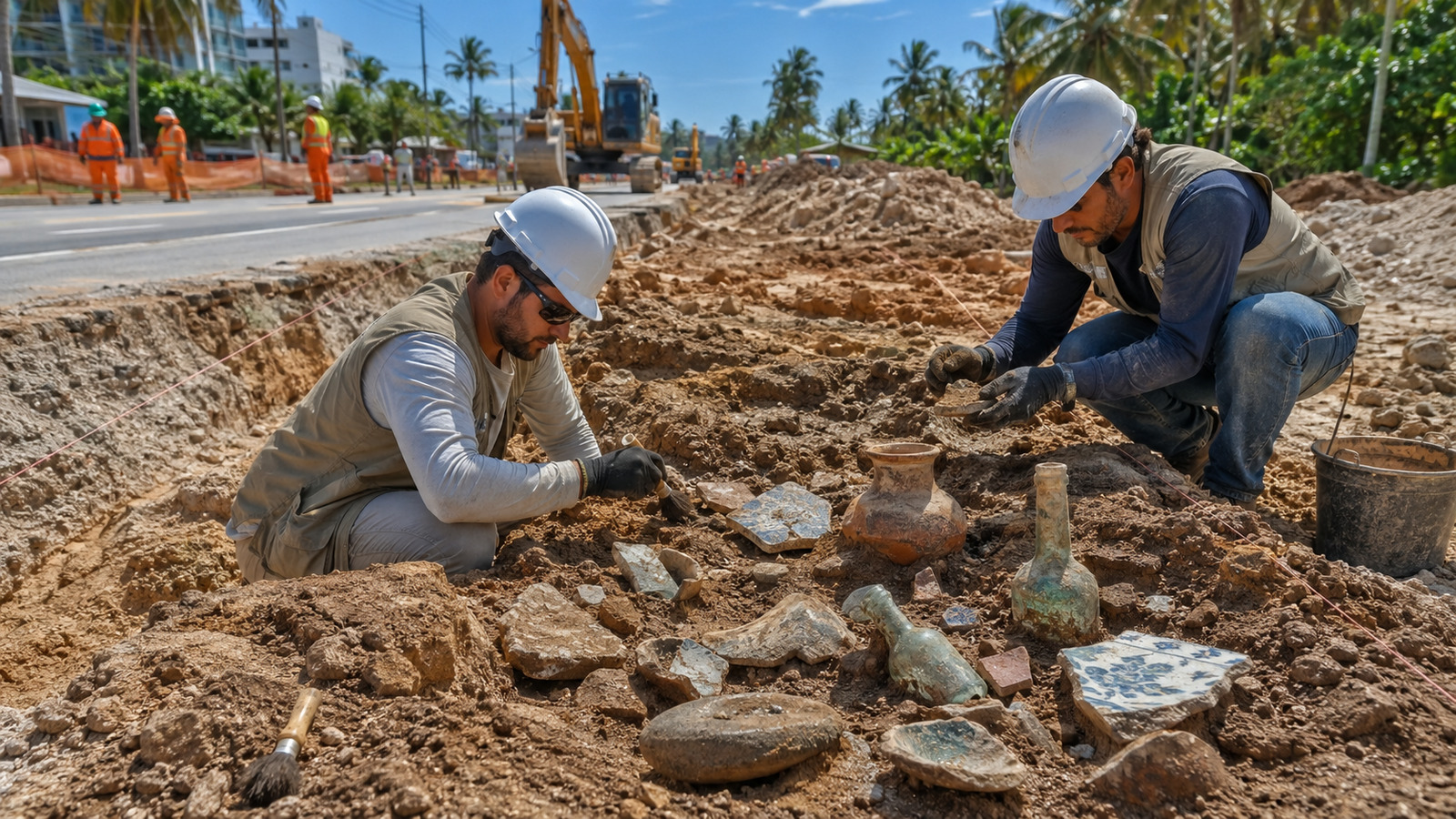


Works on AL-102 North, in Maceió, revealed more than 500 archaeological pieces, including ceramic fragments, stone artifacts, bottles, and crockery, with technical monitoring and activation of Iphan for new findings
More than 500 archaeological pieces were found during the works on the AL-102 North highway, in the section that crosses the Riacho Doce neighborhood, in Maceió, in a finding disclosed on March 24. The findings include traces of ancient occupations, ceramic fragments, stone artifacts, and historical materials linked to different periods of human presence in the region.
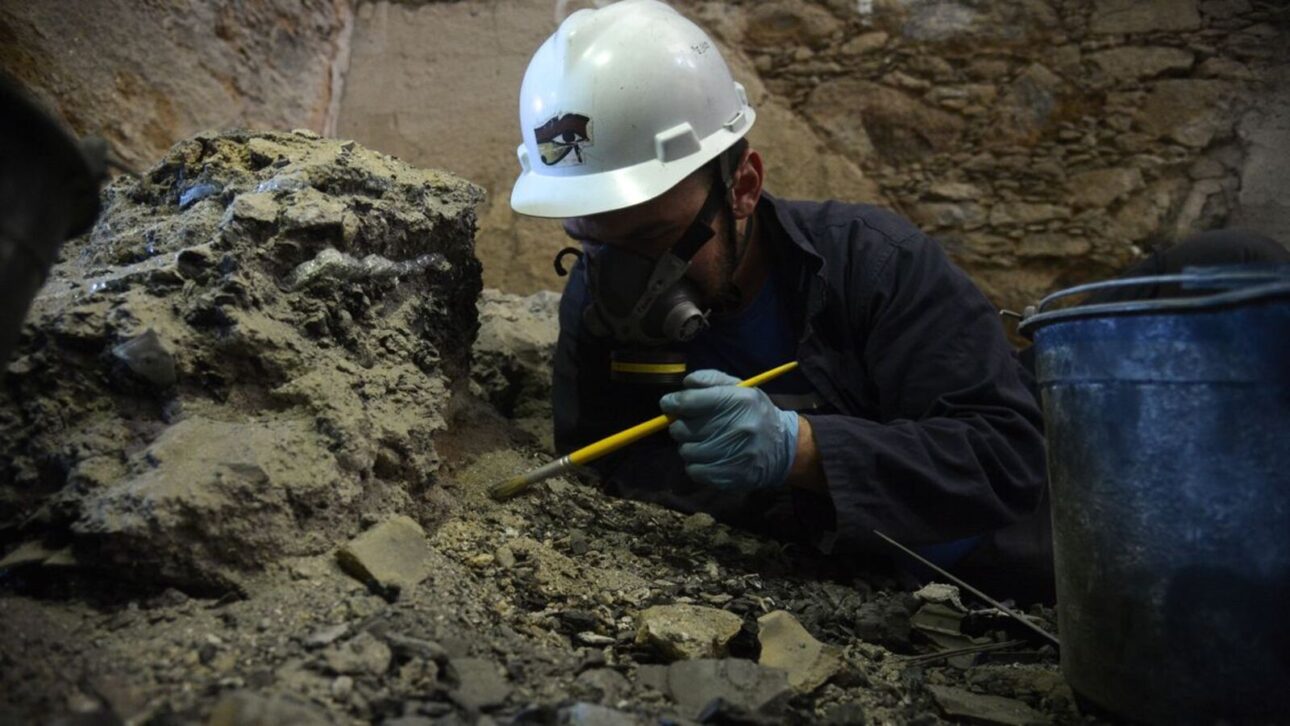
Construction has archaeological monitoring
According to the Alagoas Department of Transport and Urban Development, the construction of the highway includes an Archaeological Monitoring Program.
The materials found by the workers are sent to a custody and research institution responsible for the care and study of the pieces.
-
Hurricane Katrina: Engineering Failures by U.S. Army Corps Led to 80% of New Orleans Flooding

-
Hisense Unveils 615-Liter PureView Fridge with Transparent Door, Smart Display, Voice Control, and UV Purification to Compete with LG and Samsung

-
Are Cleaning Staff in Large Buildings Becoming Obsolete? Autonomous Robots Now Clean Airports, Hospitals, and Shopping Centers for Hours, as Companies Invest in Automating Repetitive Tasks

-
Xiaomi Launches Compact Photo Printer with Bluetooth, Extra Black Ink, and Augmented Reality Photo Printing




The informed forecast is that the work on the highway will continue until July.


Pieces indicate ancient occupations in the region
So far, an archaeological site with traces of ancient occupations has been identified. Among the materials are ceramic fragments and stone artifacts produced by native groups in the pre-colonial and colonial periods.
Ceramic and glass bottles were also found, as well as fragments of English crockery from the 18th and 19th centuries, indicating the passage of different social groups through the area over time.

New findings interrupt the work
The department informed that whenever a new archaeological site is located, the works are immediately interrupted and the National Institute of Historical and Artistic Heritage is activated.
The agency advises the population not to remove archaeological materials found in the construction area. Communication can be made to the technical team by phone (81) 99637-0820 or via the website multicastarqueologia.com.
This article was prepared based on information from the Alagoas Department of Transport and Urban Development, with data, numbers, and guidelines preserved as per the consulted material.