Portuguese
  Spanish



Aneel Applies Tariff Flags According to the Cost of Electricity Production
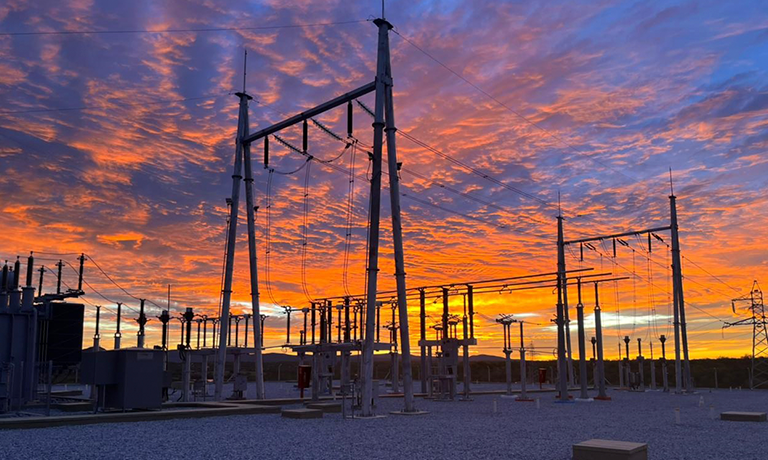
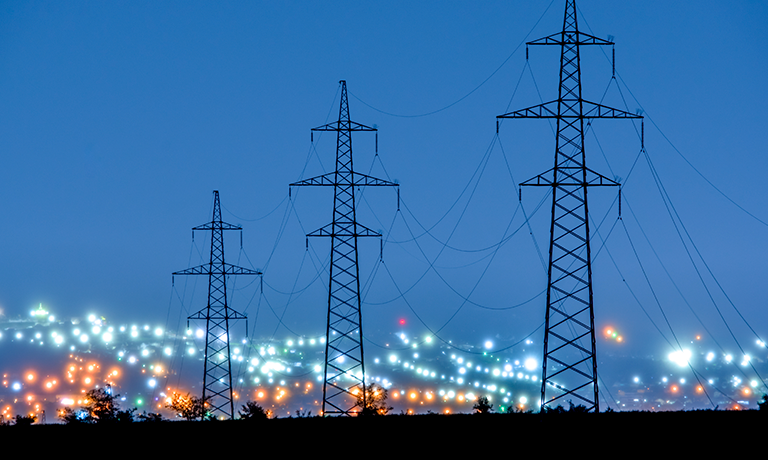
Created in 2015 by the National Electric Energy Agency (Aneel), the tariff flags reflect all variable costs of electricity generation in Brazil. The flags are divided into levels, where each level reflects how much it costs for the National Interconnected System (SIN) to generate electricity.
When the electricity bill is calculated under the green flag, it means that the bill does not incur any increase. When the red or yellow flags are applied, the bill incurs an increase. Aneel informed that the flag for the electricity bill for the month of June will be green.
Green Flag: The green flag is activated when the conditions for electricity production are favorable. Therefore, the electricity bill does not incur any increase when it is active.
-
Tesla injected an additional $250 million into the German factory, doubled the battery cell target, and opened its own production line for startups.

-
A 180-meter ship with a deck the size of a football field was christened to carry 25,000 tons of giant energy modules around the world.
-
To erect the “Baleia” building on the richest avenue in Brazil, he bought 35 houses, paying with trips to Disney, a truck, and even an apartment, waited over 20 years, and today the complex is valued at R$ 2.5 billion.
-
The land belonged to her great-great-grandfather and was worth R$ 25 per square meter during the pandemic; the couple sold 250,000 m² for the nearly R$ 30 billion project that is transforming the “neighbor of Jericoacoara,” and today a house in the region goes for R$ 4.2 million.


Yellow Flag: The yellow flag is activated when the conditions for energy generation are not that favorable. Currently, this flag represents an increase of R$ 0.01874 for each kilowatt-hour consumed. The public consultation indicates a 56.2% adjustment for the yellow flag, rising to R$ 0.02927 per kilowatt-hour (kWh) consumed.
Red Flag 1: The red flag 1 is triggered when the costs of electricity production become more expensive. The increase is R$ 0.03971 for each kilowatt-hour consumed. The public consultation indicates an increase of 57.1%, totaling an increase of R$ 0.06237 per kilowatt-hour consumed.
Red Flag 2: The red flag 2 is triggered when electricity generation is very expensive. It represents an increase of R$ 0.09492 per kilowatt-hour consumed. The public consultation indicates a reduction of 1.7%, dropping to R$ 0.09330.
Oversight Commission Debates Adjustment of Electricity Tariffs
Due to the water crisis, Brazilians have been paying much more for electricity in recent months. The Financial Oversight and Control Commission of the Chamber of Deputies held a hearing to discuss the price adjustment for electricity announced by the National Electric Energy Agency (Aneel).
According to Deputy Jose Nelto (PP), Aneel intends to apply new adjustments to the tariff starting in June. “If approved as presented, the proposal would result in a significant increase in the price for consumers. For the yellow and red flags, the adjustment will be 56% and 57%, respectively,” said the deputy.